

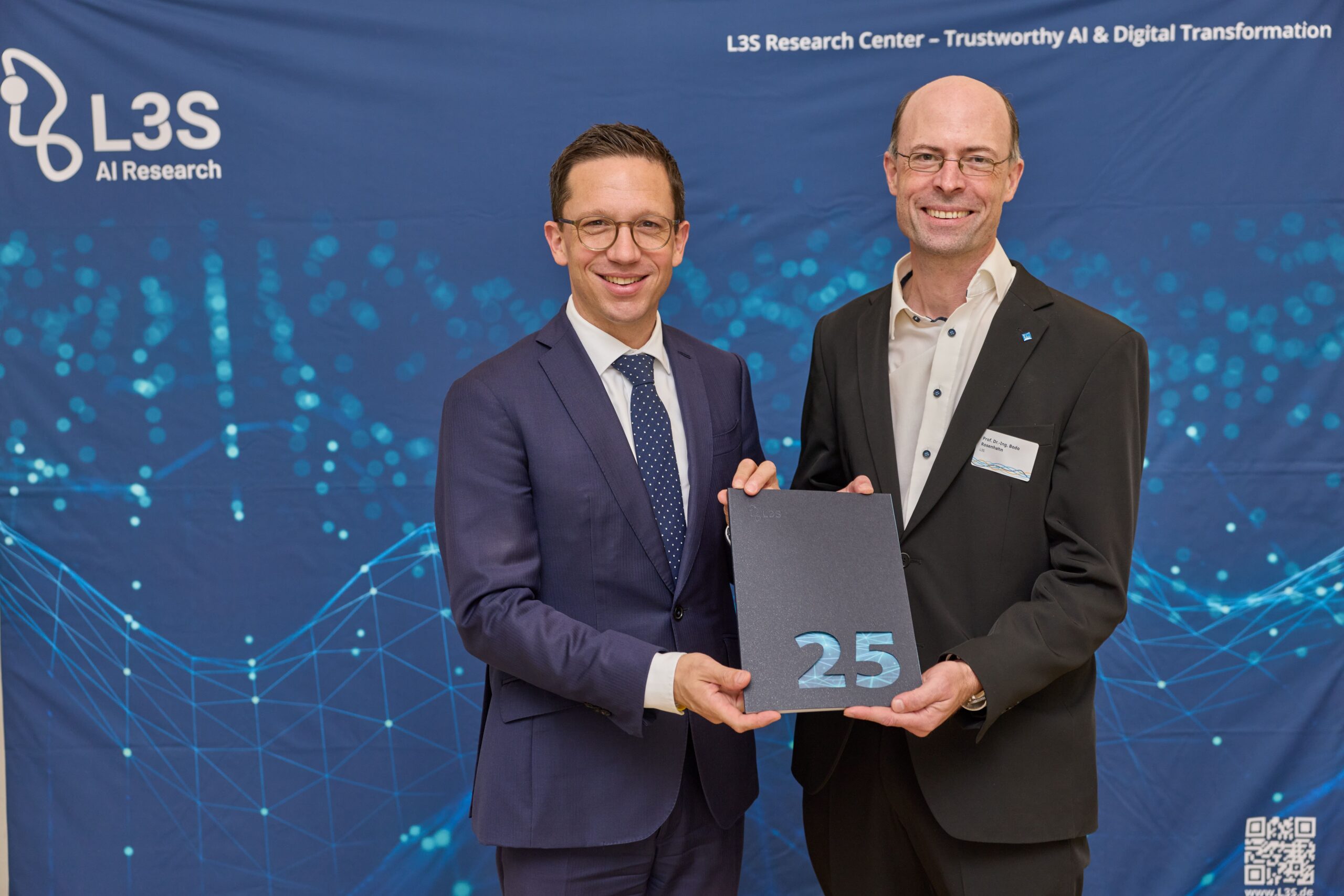
The L3S Research Center marked its 25th anniversary with a ceremony at Herrenhausen Palace on September 18. Guests from academia, politics and industry, together with alumni from around the world, reflected on the development of the research center and discussed current challenges and future prospects in artificial intelligence research.
Welcome Addresses and a Review of 25 Years of Research
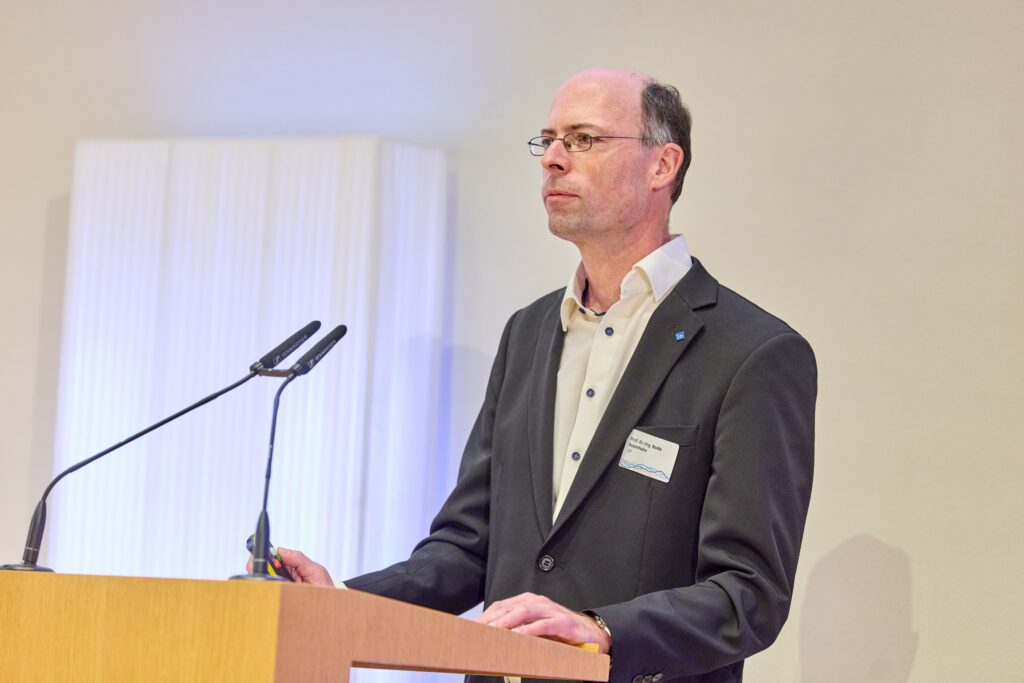
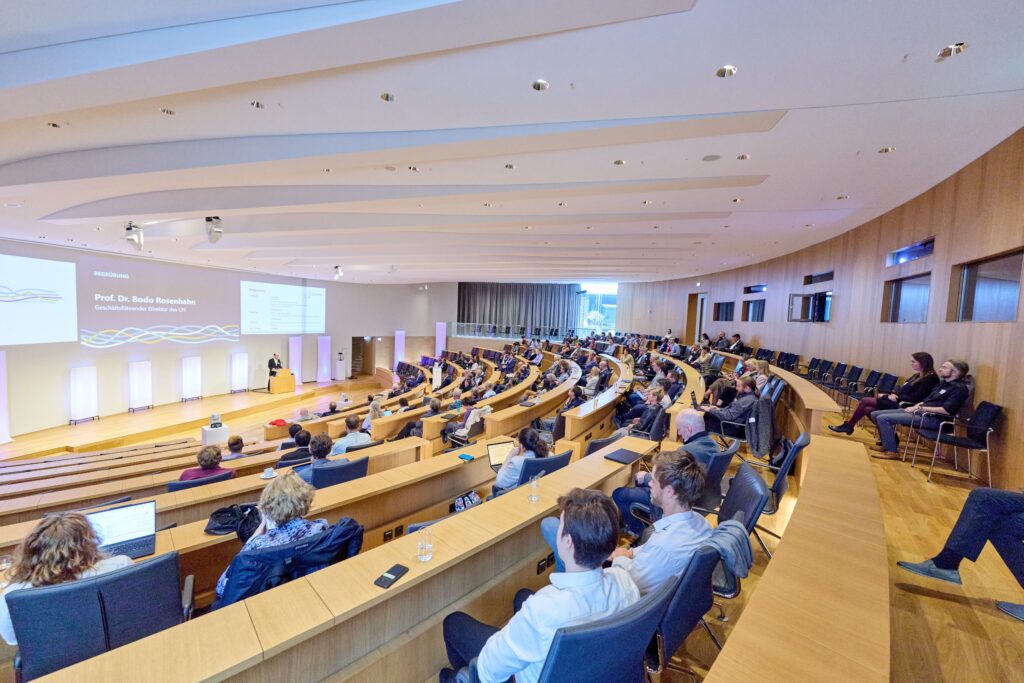
Following a welcome by the Managing Director of L3S, Professor Bodo Rosenhahn, Falko Mohrs, Lower Saxony’s Minister for Science and Culture, Dr. Georg Schütte of the Volkswagen Foundation, and Professor Holger Blume of Leibniz University Hannover delivered welcome addresses. Further long-standing partners and colleagues from universities, research institutions, industry and politics sent their congratulations by video.
Professor Rosenhahn and the Founding Director of L3S, Professor Wolfgang Nejdl, then reflected on the development of the research center. The story of what was originally known as the “Learning Lab Lower Saxony” began in 2001 in the former German Pavilion at EXPO 2000. Its initial focus was on how digital technologies could improve learning at universities. Research later shifted towards understanding the societal impact of the World Wide Web. Today, L3S investigates, among other topics, how trustworthy AI systems can be developed and deployed.
The retrospective also highlighted the research center’s international reach: numerous former members of L3S now conduct research and teach at universities and research institutions around the world.
International Alumni Present Current Research
Three former L3S researchers returned to Hannover for the scientific programme preceding the anniversary ceremony and presented their current work. The contributions by Associate Professor Ujwal Gadiraju of TU Delft, Professor Gianluca Demartini of the University of Queensland and the Technical University of Munich, and Tuan Tran of Meta were connected by a shared question: under what conditions does artificial intelligence deserve our trust?
Ujwal Gadiraju discussed the role of trust in human decision-making supported by AI. He distinguished between trust in general and justified trust or distrust in the results produced by a system.
Gianluca Demartini demonstrated how political biases in large language models can be measured and influenced. He also explained why dealing transparently with existing biases may be more helpful to users than attempting to eliminate them entirely.
Tuan Tran presented methods for embedding invisible watermarks in AI-generated images, videos, audio and text. Such technical approaches can help meet the transparency requirements of the EU AI Act. Professor Wolfgang Nejdl and Professor Bodo Rosenhahn chaired the session.
Opportunities for Start-ups and European AI Research
Two further talks examined the opportunities presented by artificial intelligence from business and research policy perspectives.
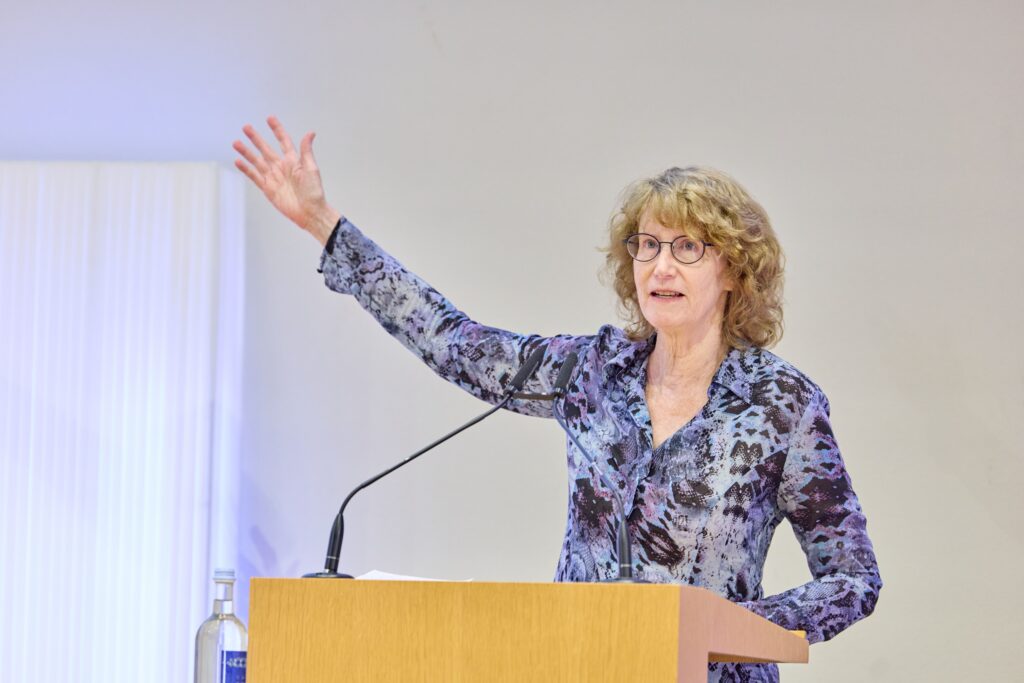
Professor Marianne Winslett of the University of Illinois Urbana-Champaign and R3i Ventures dedicated her keynote to start-up opportunities for computer scientists. Professor Winslett served on the L3S Scientific Advisory Board from 2011 to 2019. In her talk, she argued that technological methods alone rarely create a lasting competitive advantage because they can often be copied quickly. Promising opportunities arise primarily where technical expertise is combined with a deep understanding of a specific application domain. She identified healthcare as one such field, with potential applications ranging from medical imaging to the exchange of patient data.
Marius Lindauer, a member of L3S and Professor of Machine Learning at Leibniz University Hannover, addressed the conditions for AI research in Europe in his talk “Tribute Talk or Rant Talk?”. His topics included the use of AI in research and teaching, its energy requirements and the role of Northern Germany as a research hub. Among other measures, Professor Lindauer called for a more powerful research infrastructure with sufficient GPU resources, stronger core funding, greater scope for new approaches to teaching and learning, and closer dialogue between academia and policymakers.
Regulation Between Trust and Innovation
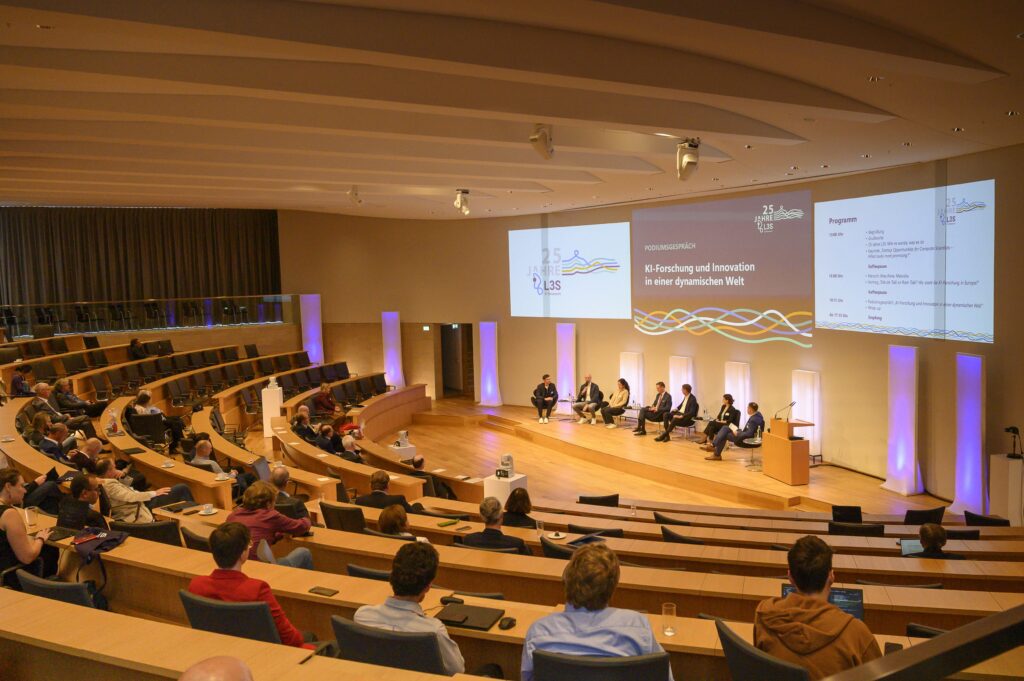
A panel discussion explored how AI research and innovation can be advanced in a dynamic environment. The relationship between regulation, trust and competitiveness formed the central focus.
The participants agreed that binding rules can build trust in AI applications. At the same time, they discussed how testing and approval procedures can keep pace with the rapid development of AI. Complex regulatory requirements can present a considerable burden, particularly for smaller companies.
Practical examples illustrated possible approaches. These included assessment frameworks used by Fraunhofer to support companies in introducing AI safely, as well as the Mobility Data Space. Within this neutral, decentralised data ecosystem, vehicle manufacturers share information such as hazard alerts to improve road safety. The participants also identified regulatory sandboxes for testing new technologies and rules that smaller organisations can realistically implement as important conditions for innovation.
The panel concluded by discussing what Europe needs to turn successful research into internationally competitive AI companies. The factors identified included sufficient computing resources, skilled professionals, a consistent focus on specific customer needs, and greater confidence in Europe’s own scientific and economic strengths.
The discussion featured Dr. Thomas Lange of Achleitner Ventures, Dr. Larisa Wewetzer of University Hospital Schleswig-Holstein, Dr. Michael Nolting of ultra mAInds, Professor Stefan Wrobel of the University of Bonn, Fraunhofer IAIS and the Lamarr Institute, Marc Augusto of the Mobility Data Space, and Junior Professor Yao Rong of Leibniz University Hannover and CAIMed. The panel was moderated by the Chief Strategy Officer of L3S, Dr. Johannes Winter.
Insights into Current Projects and Future Prospects
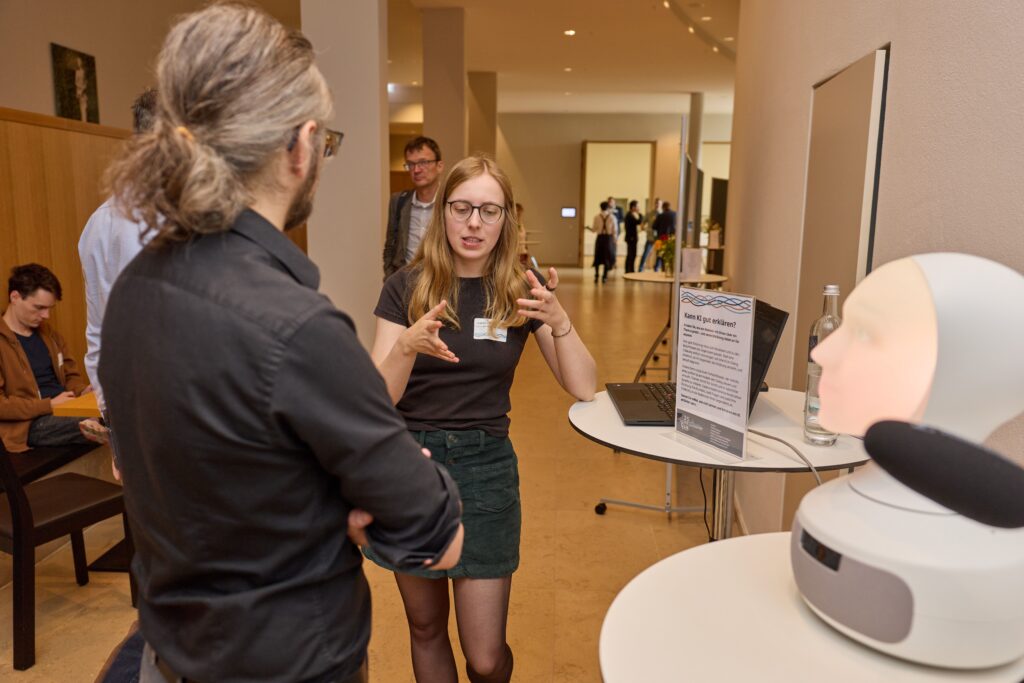
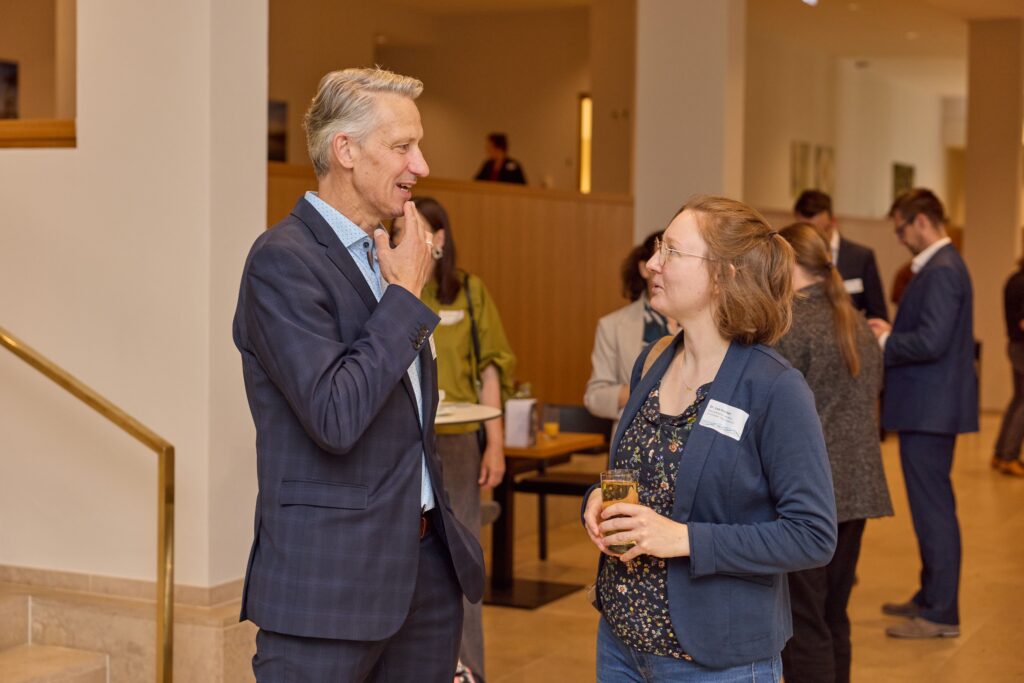
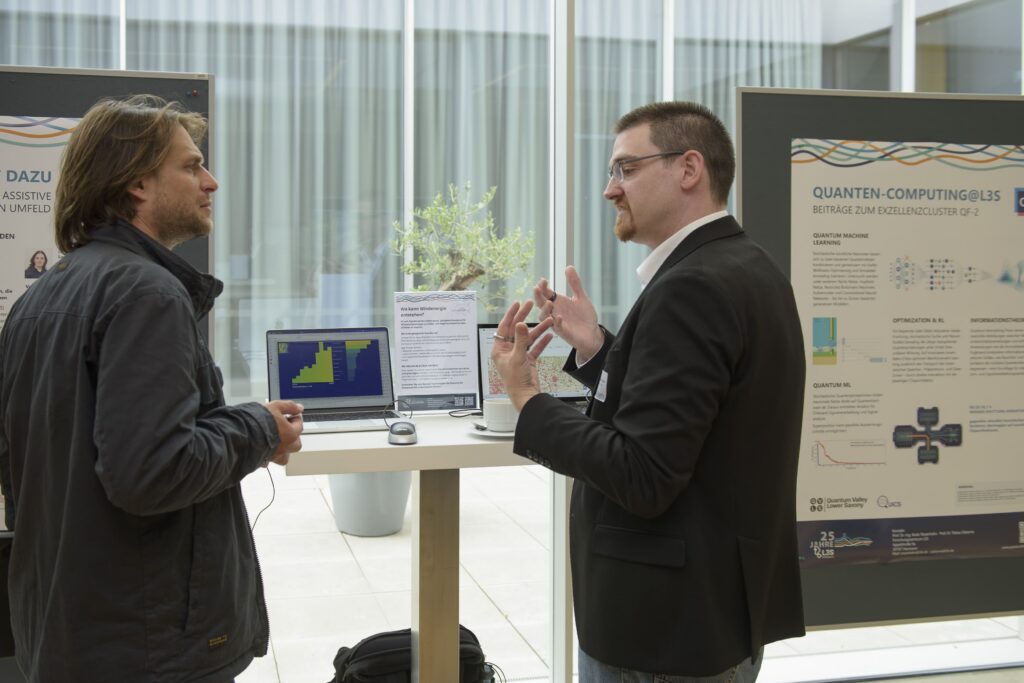
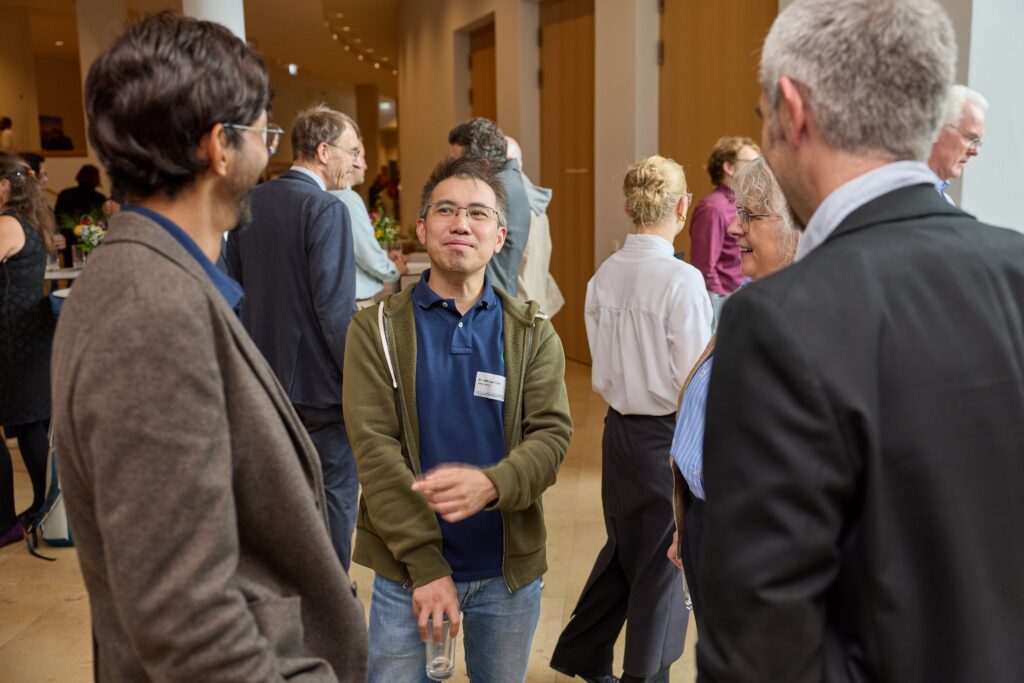
Poster sessions and live demonstrations gave guests an overview of current L3S research projects throughout the day. The programme concluded with a reception featuring live music and opportunities for professional and personal exchange.
Attention also turned to the future development of the research hub. Just a few days before the anniversary ceremony, the foundation stone was laid for the Digital Innovation Campus in Hannover. From late 2028 onwards, L3S and the CISPA Helmholtz Center for Information Security will conduct joint research there in artificial intelligence and cybersecurity.
Find out more about the history of L3S
If you are curious about the 25 years that shaped the L3S Research Center, you can delve into its history here.
Fotos: wyrwa-fotografie