
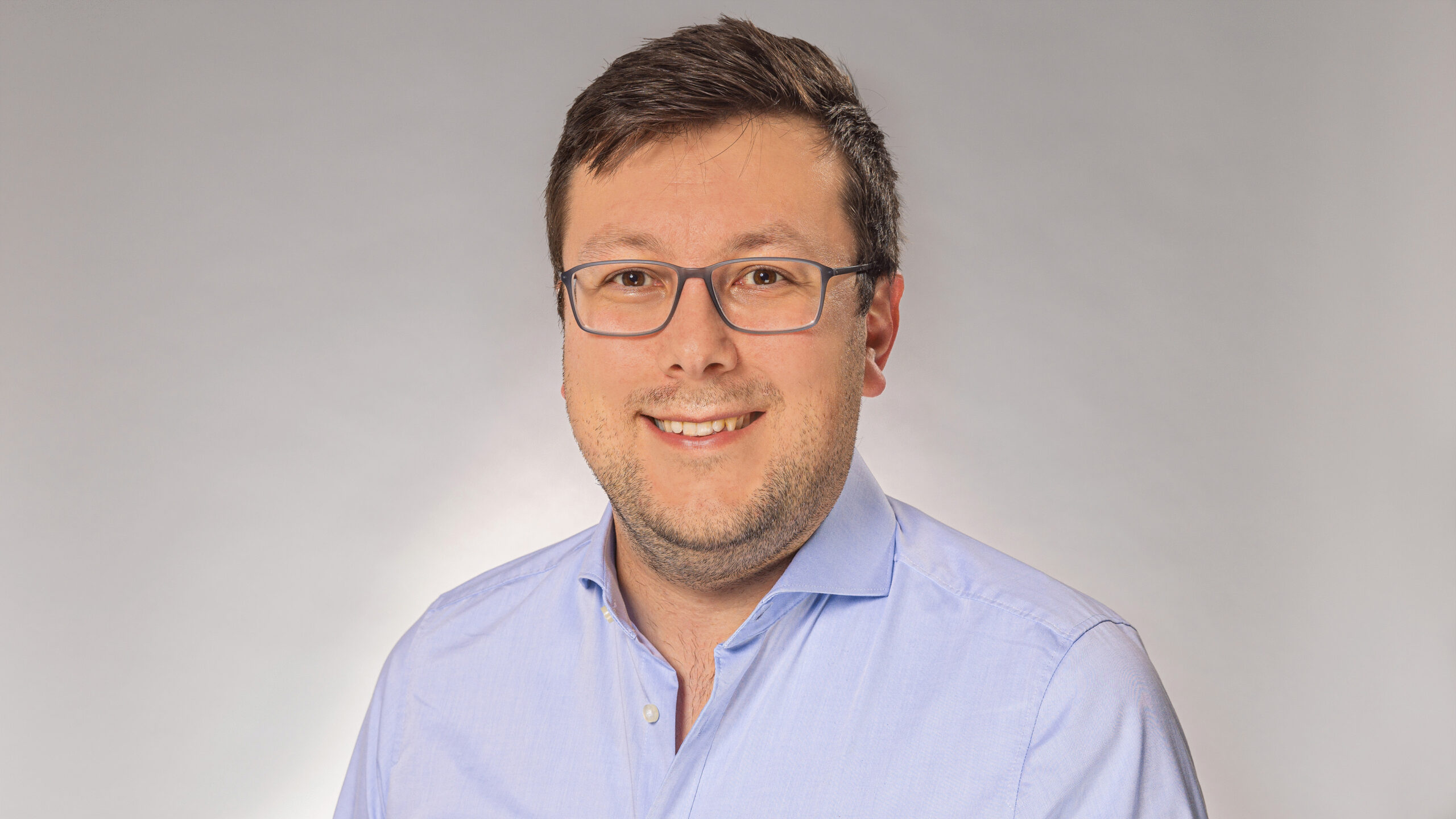
Great success for Dr. Marcel Wever in the “AI Research Groups Lower Saxony” funding programme: his project on energy-efficient foundation models is one of five initiatives selected in the first funding round from 52 applications.
Wever is a research group leader at L3S and also a postdoctoral researcher at the Institute of Artificial Intelligence at Leibniz University Hannover. His AI research group “Tuning for FFMs: Optimizing Post-Training Pipelines for Energy-Efficient AI” will investigate new methods to make large AI foundation models more energy-efficient. While such models enable powerful automation, operating them is highly energy-intensive. The project aims to develop automated procedures that tailor post-training pipelines specifically to concrete tasks and the available hardware. The goal is to significantly reduce energy consumption and computational effort without substantially compromising model performance. The findings are intended to help make modern AI applications more sustainable, cost-effective and widely applicable.
With the “AI Research Groups Lower Saxony” scheme, the Lower Saxony Ministry of Science and Culture and the Volkswagen Foundation aim to attract excellent researchers at early career stages to Lower Saxony and to expand the development and application of AI in the state in the long term. “The high quality of the applications submitted has impressively shown how dynamically AI research is developing in Lower Saxony,” said Lower Saxony’s Minister for Science, Falko Mohrs, on the announcement of the funded research groups in July.
The funded groups typically consist of one postdoctoral position for scientific leadership and up to four doctoral positions. The projects run for five years; up to two million euros could be applied for per proposal.
Further information: Press release from zukunft.niedersachsen