
Marius Lindauer, Sören Auer, Marcus Magnor and Maria-Esther Vidal have been appointed as ELLIS Fellows; Sahar Vahdati has been appointed ELLIS Scholar.
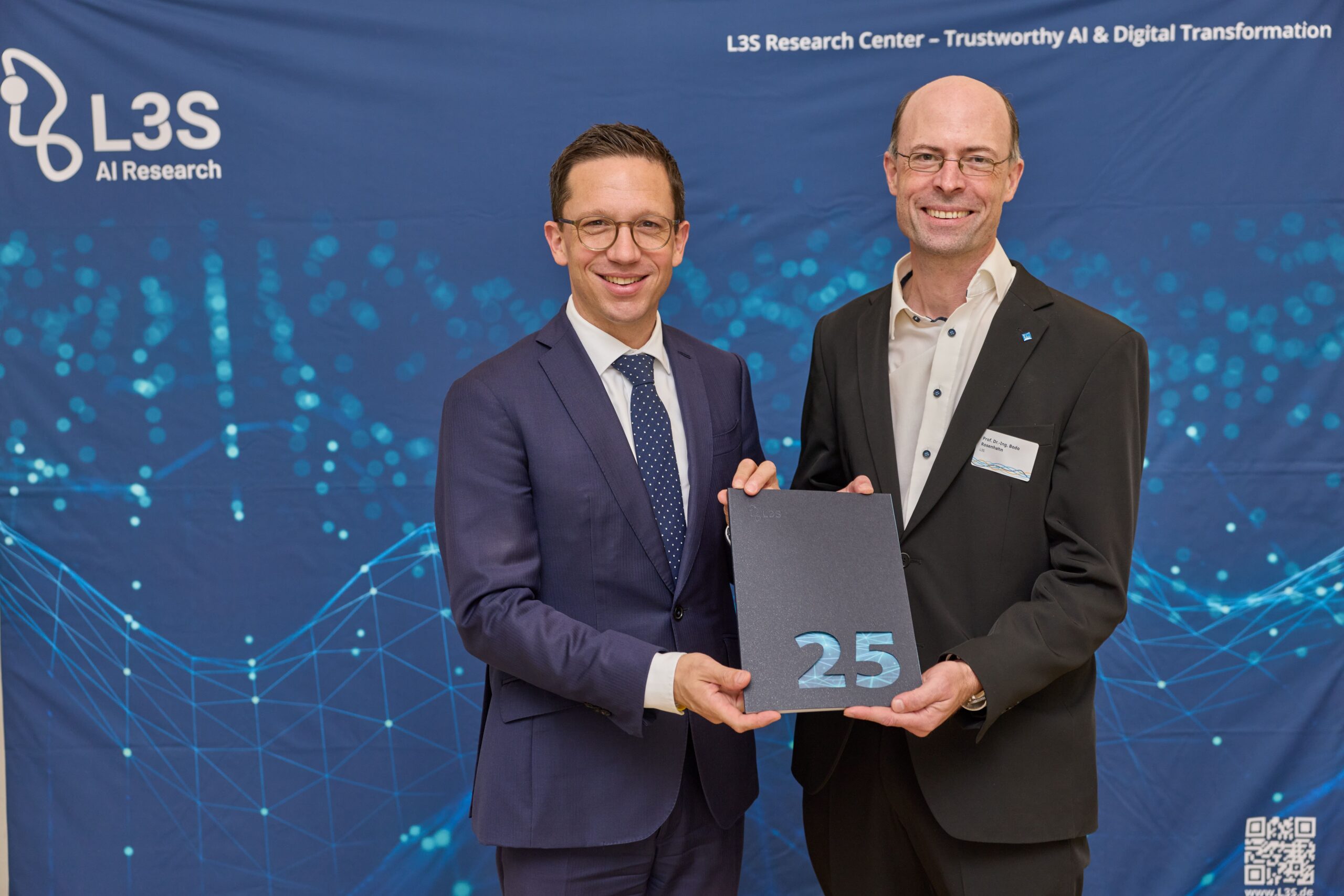
The L3S Research Center marked its 25th anniversary with a ceremony at Herrenhausen Palace on September 18. Guests from academia, politics and industry, together with alumni from around the world, reflected on the development of the research center and discussed current challenges and future prospects in artificial intelligence research.
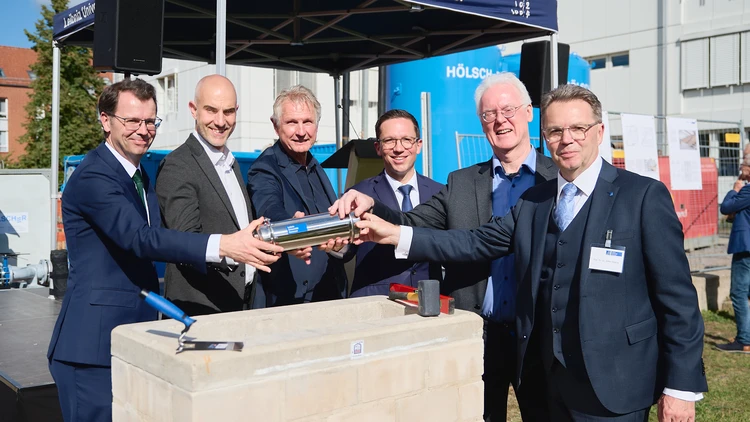
A new research and technology transfer hub for artificial intelligence and IT security is being established in Hanover.
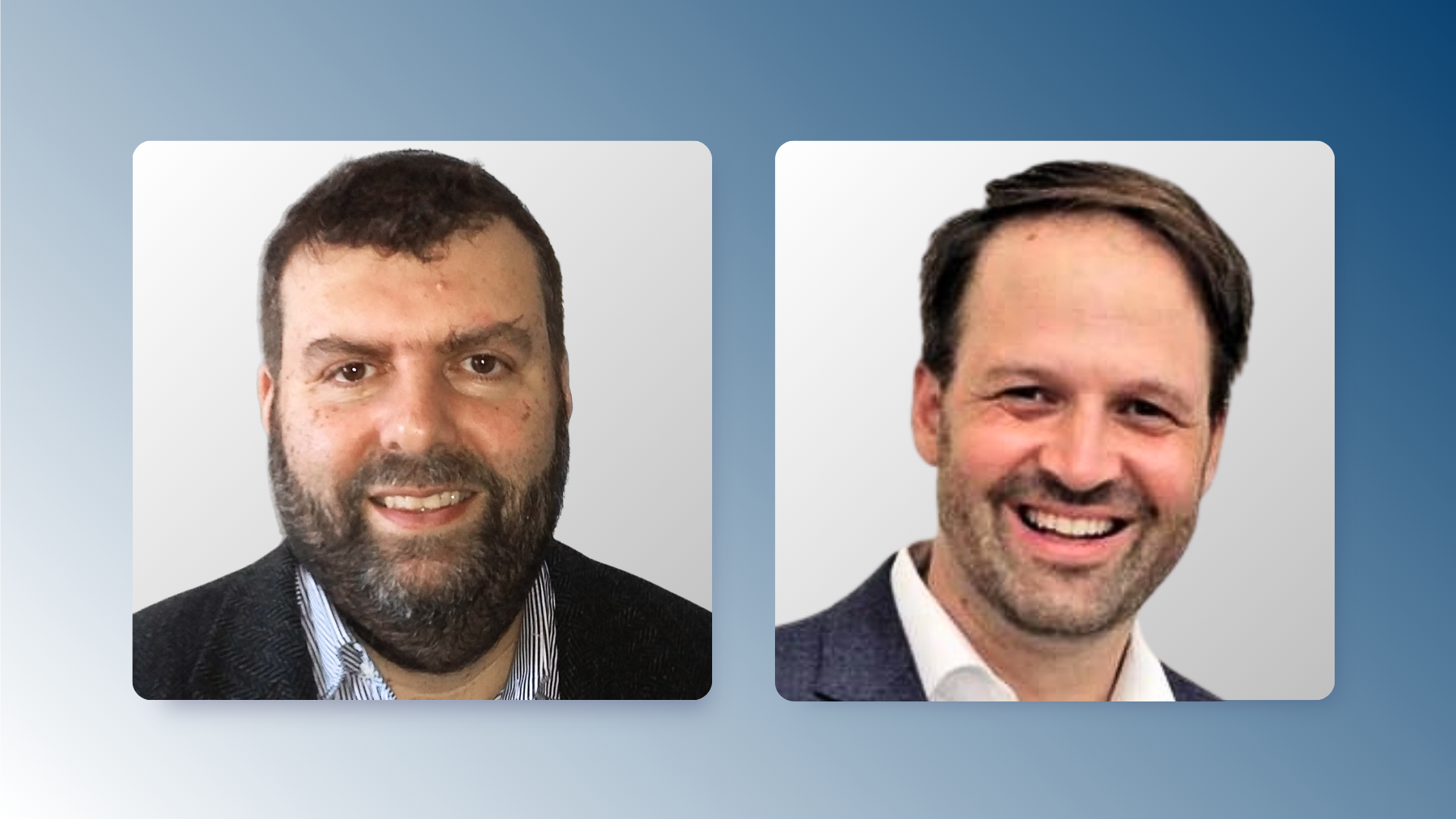
L3S researchers Dr. Daniel Kudenko and Dr. Johannes Winter have contributed as experts to a European Commission study that will help shape future EU investments […]
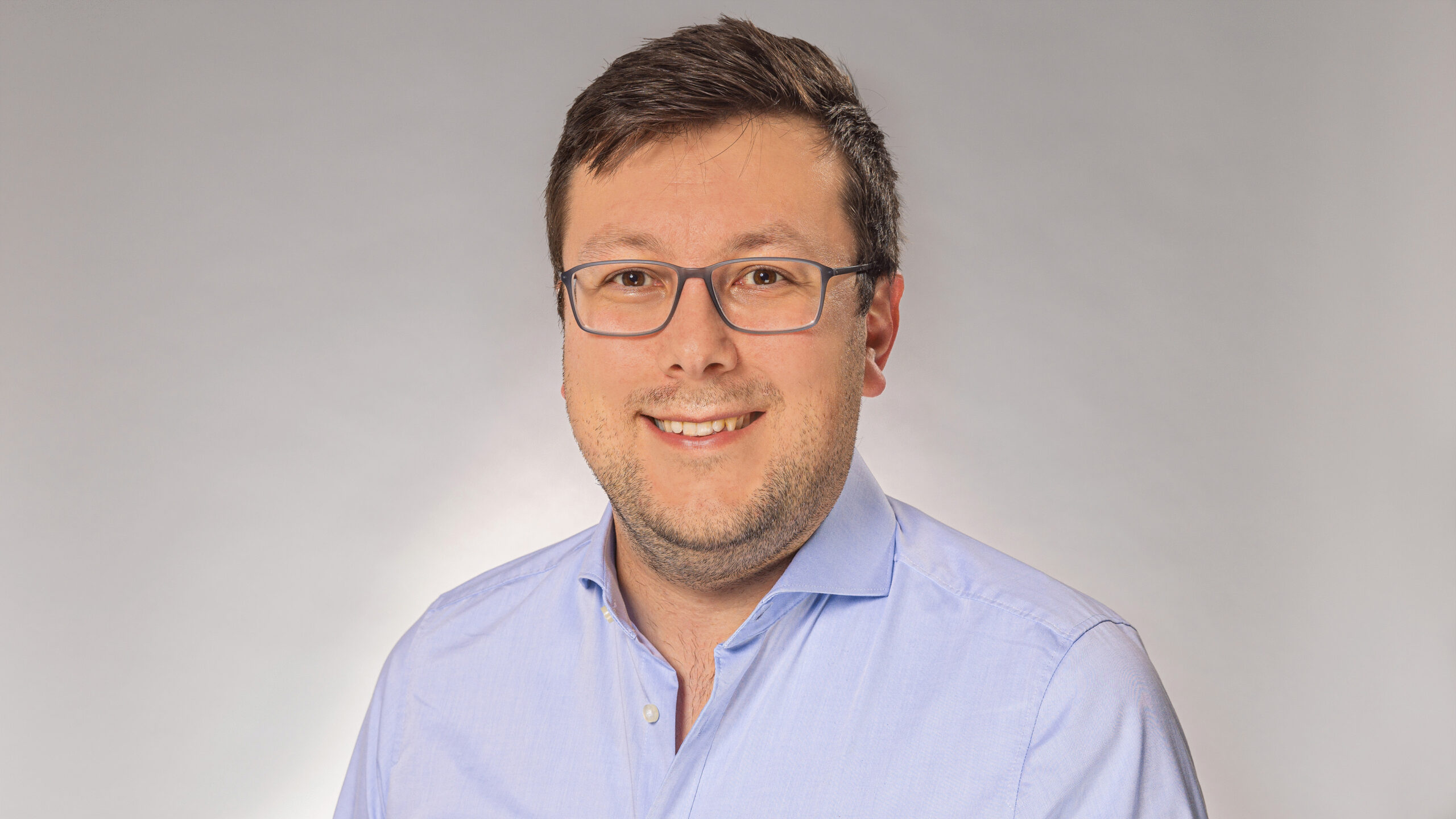
Great success for Dr. Marcel Wever in the “AI Research Groups Lower Saxony” funding programme: his project on energy-efficient foundation models is one of five […]

The Soofi project, launched in November 2025 with the participation of L3S, has reached its first major milestone with the development of its language model, […]

The L3S has been awarded funding as a partner in REGolution, a newly approved Marie Skłodowska-Curie Actions Doctoral Network (MSCA-DN) under the Horizon Europe programme. […]
Combining reinforcement learning with existing routing strategies can significantly increase payment success in the Lightning Network.
AI can analyse complex health data to enable truly personalized nutrition and transform the prevention and management of chronic diseases.

Three universities, one goal: L3S, representing Leibniz University Hannover, has joined forces with RWTH Aachen University and Darmstadt University of Technology to establish an AI […]