
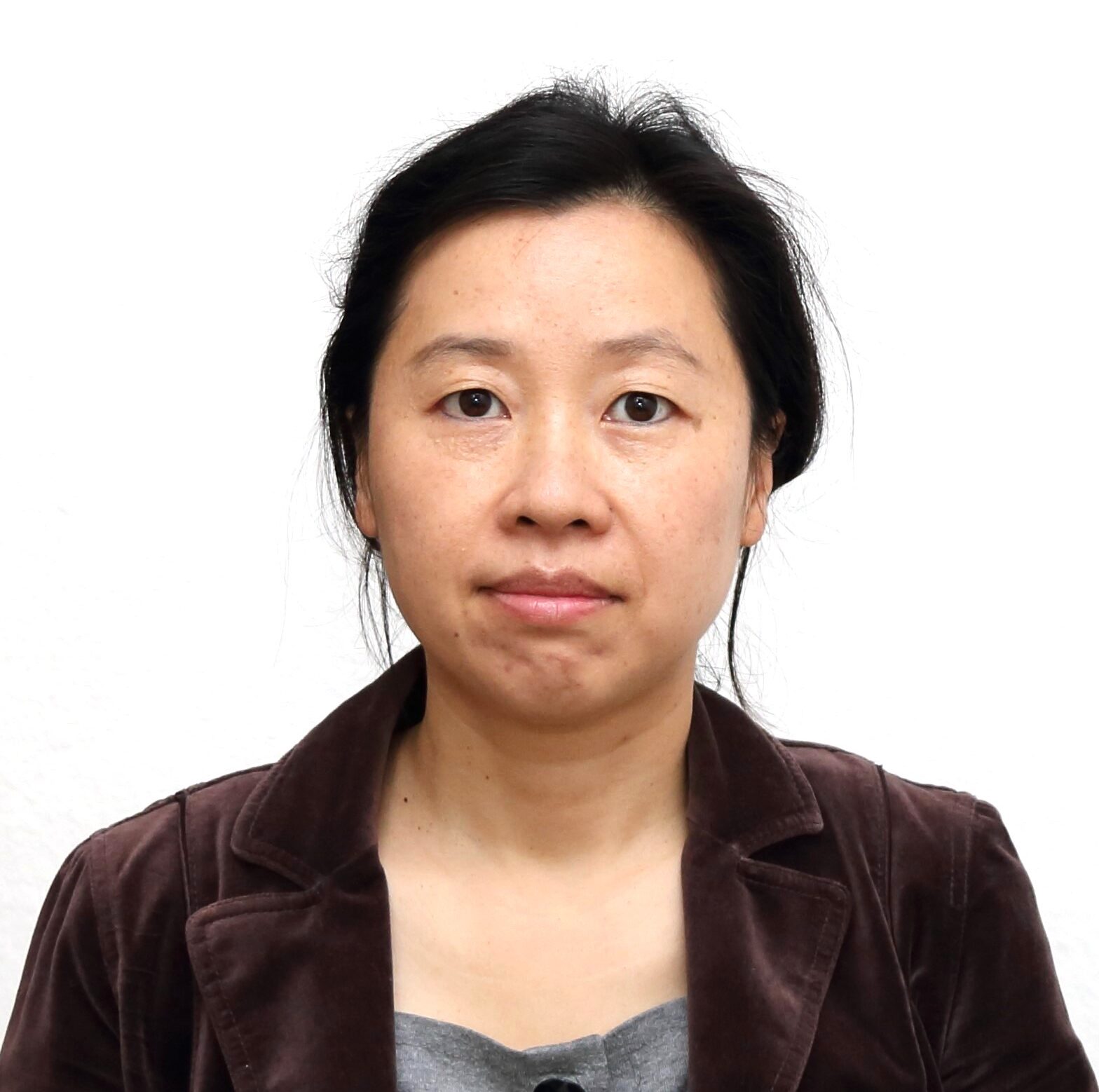


Michelle Tang is a Research Group Leader at the L3S Research Center.
Research Focus
- Biomedical Foundation Models, particularly single cell and image foundation models
- Bioinformatics — omics and clinical data integration
- Agentic AI for biomedicine and clinical decision support
Publications
For a list of Michelle Tangs’s publications, please visit her Google Scholar page.
Dr. Michelle Tang works at the interface of artificial intelligence (AI) and biomedicine, with the long-term goal of developing and applying AI/ML algorithms to tackle societal challenges, such as cancer and aging.
She received a PhD from Johns Hopkins Medical Institute, USA, where she used a systems biology approach to study the PTEN tumor-suppressor pathway and developed an excitable network model. She obtained a master’s degree from Freie Universität Berlin, Germany, with a thesis topic on developing deep learning models for peptide/protein acetylation.
Her current research interests include (1) biomedical LLMs – especially single-cell and image foundation models for disease modeling and drug response prediction; (2) AI agent systems that can plan, reason, and act across heterogeneous, real-world biomedical data by leveraging LLM multi-step reasoning, retrieval-augmented generation, and real-time tool usage.
She was previously involved in the International Future Lab for Artificial Intelligence (funded by BMBF) where she developed a machine-learning-assisted clinical framework for oncology data integration and analysis, supporting routine diagnostics and clinical decision making. Currently she is involved in the CAIMed consortium (AI and Causal Methods in Medicine), as well as leading three projects at L3S: AI-light, AID-PAIS and REGolution.
Current projects at L3S