Example of the ORKG ASK hybrid AI system, which combines neural models for indexing and extracting knowledge from publications with symbolic techniques for semantic filtering.
Hybrid AI
Recognising Patterns and Linking Knowledge
Artificial intelligence has made tremendous progress in recent years. Neural networks, in particular, have shaped the image of machine intelligence – delivering impressive results in image and speech processing as well as generative models. However, these systems have limitations: they are often difficult to interpret, lack transparency, and occasionally make mistakes. This is where Hybrid AI comes in – a research field being intensively developed at L3S. It combines the strengths of neural and symbolic methods, creating AI systems that not only learn but can also explain.
More Than Pattern Recognition
Neural networks excel at detecting complex patterns in large datasets. Symbolic approaches, on the other hand, enable logical reasoning, formal representations, and transparent chains of argument. Combining the two unlocks new potential: systems that can learn and also explain why they make certain decisions. This connection is crucial for applications where trust, transparency, and adaptability are essential – from personalised medicine and autonomous systems to education and knowledge services.
Organising Knowledge: A Practical Example
“How Hybrid AI works in practice is demonstrated by our work on the Open Research Knowledge Graph (ORKG) platform. Here, scientific publications are not merely stored but transformed into structured knowledge graphs,” explains Prof Dr Sören Auer, member of the extended L3S Directorate and Director of the TIB. Instead of searching through lengthy texts, researchers can ask targeted questions – for example: Which methods have been most frequently used in cancer research over the past five years?
With ORKG ASK, intelligent assistants are emerging that can answer complex research questions using hybrid methods. Neural models identify relevant text passages in publications, while symbolic techniques logically organise this knowledge. This makes answers transparent and verifiable. Research thus becomes not only more efficient but also more comprehensible.
From Research to Everyday Life
The principle can also be applied to everyday scenarios. A navigation system could use neural methods to detect traffic patterns and congestion in real time. Symbolic techniques would then combine this data with rules and objectives – such as “fastest route” or “most eco-friendly route”. The result: a system that not only reacts but also explains why it recommends a particular route.
Tools for the Future
“At L3S, we are developing tools for multimodal fusion – combining different data sources such as text, image, and audio – as well as methods for integrating knowledge graphs into AI systems,” says Auer. These foundations go far beyond current applications: from medicine and mobility to a new quality of digital knowledge management.
“Hybrid AI exemplifies our commitment to making AI not only more powerful but also more responsible,” Auer emphasises. “When machines can both learn and explain, we create the basis for trust in the AI systems of the future.”
Featured Projects
Contact
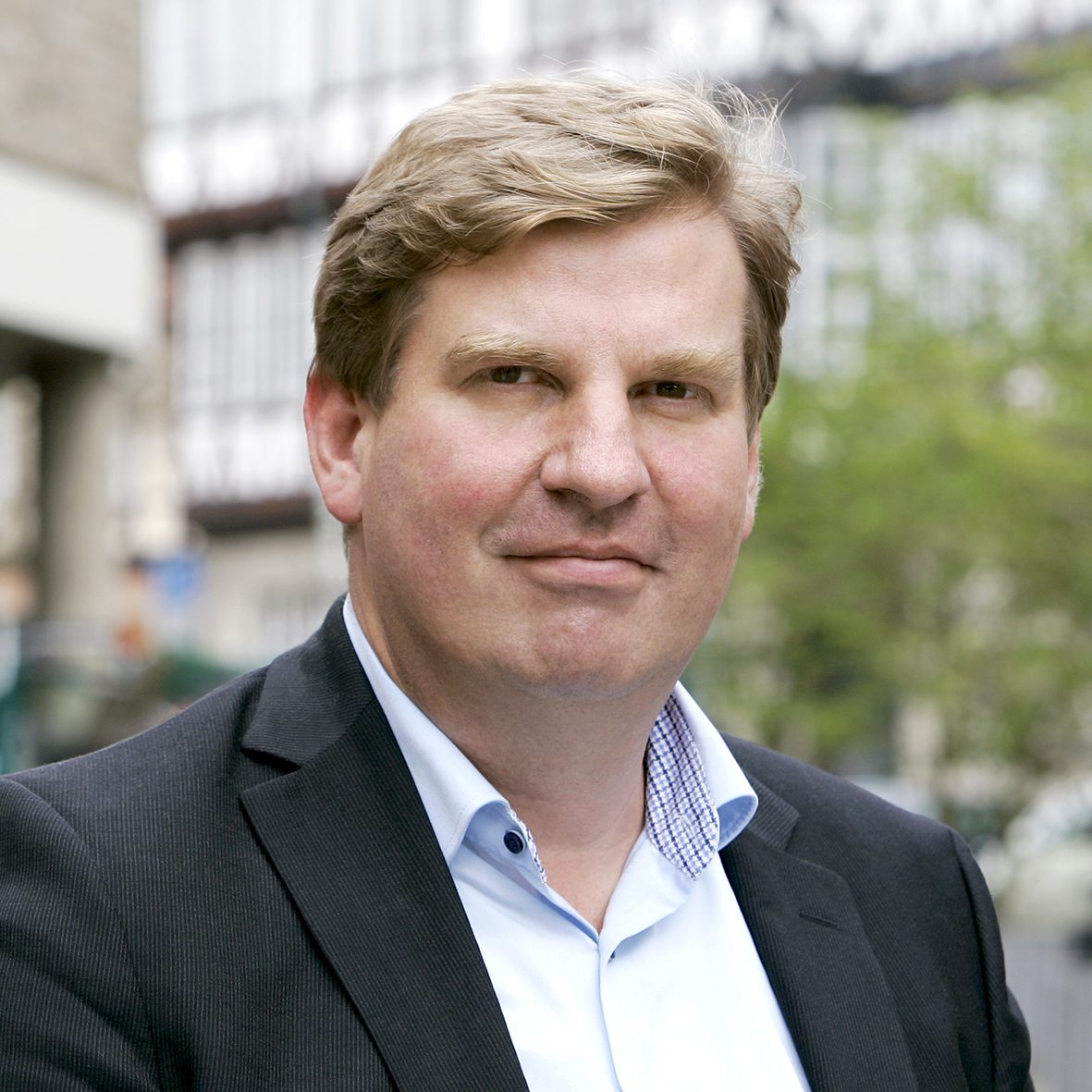
Prof. Dr. Sören Auer
Sören Auer is a member of the extended L3S Directorate, Director of the TIB – Leibniz Information Centre for Science and Technology, and Professor of Data Science and Digital Libraries at Leibniz University Hannover.