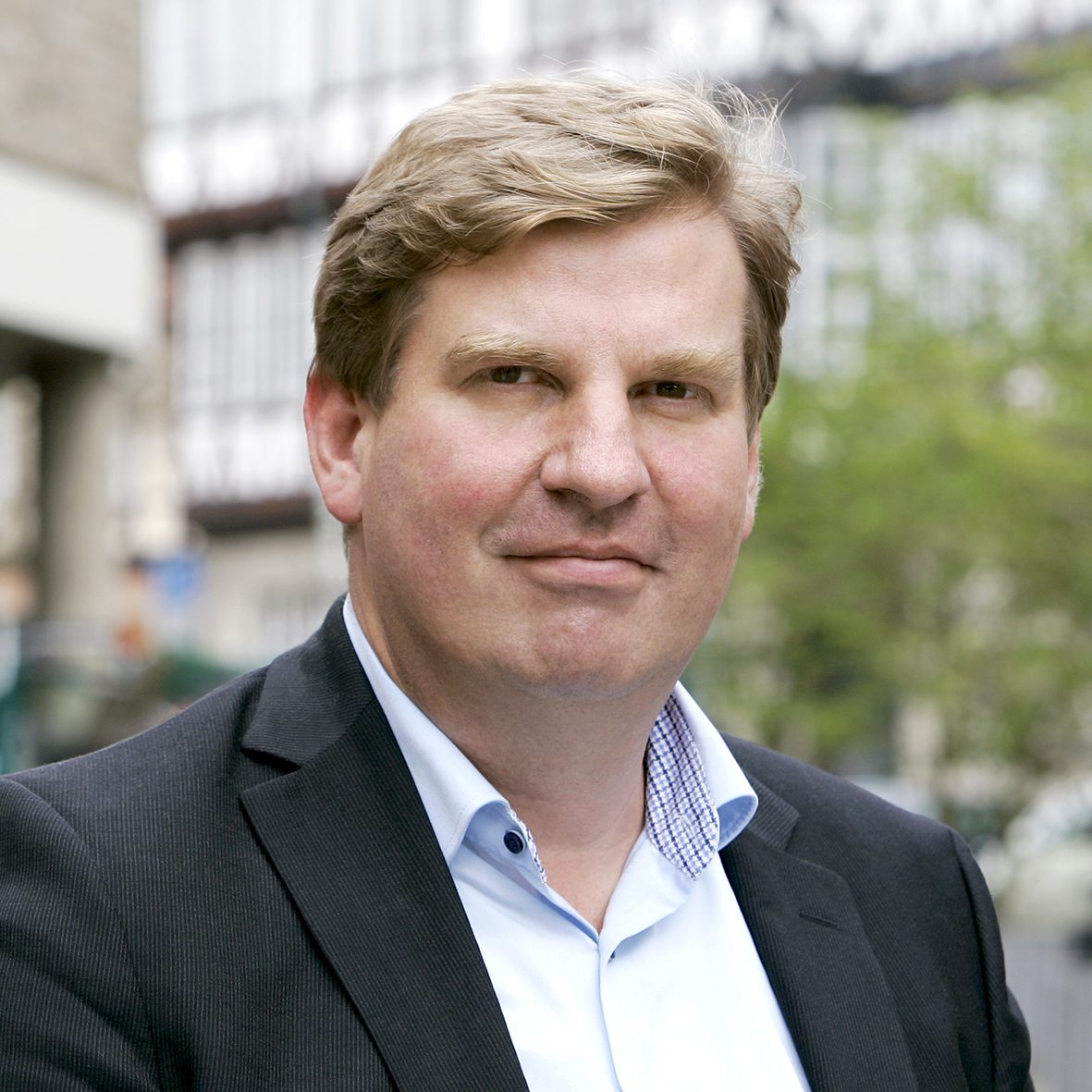
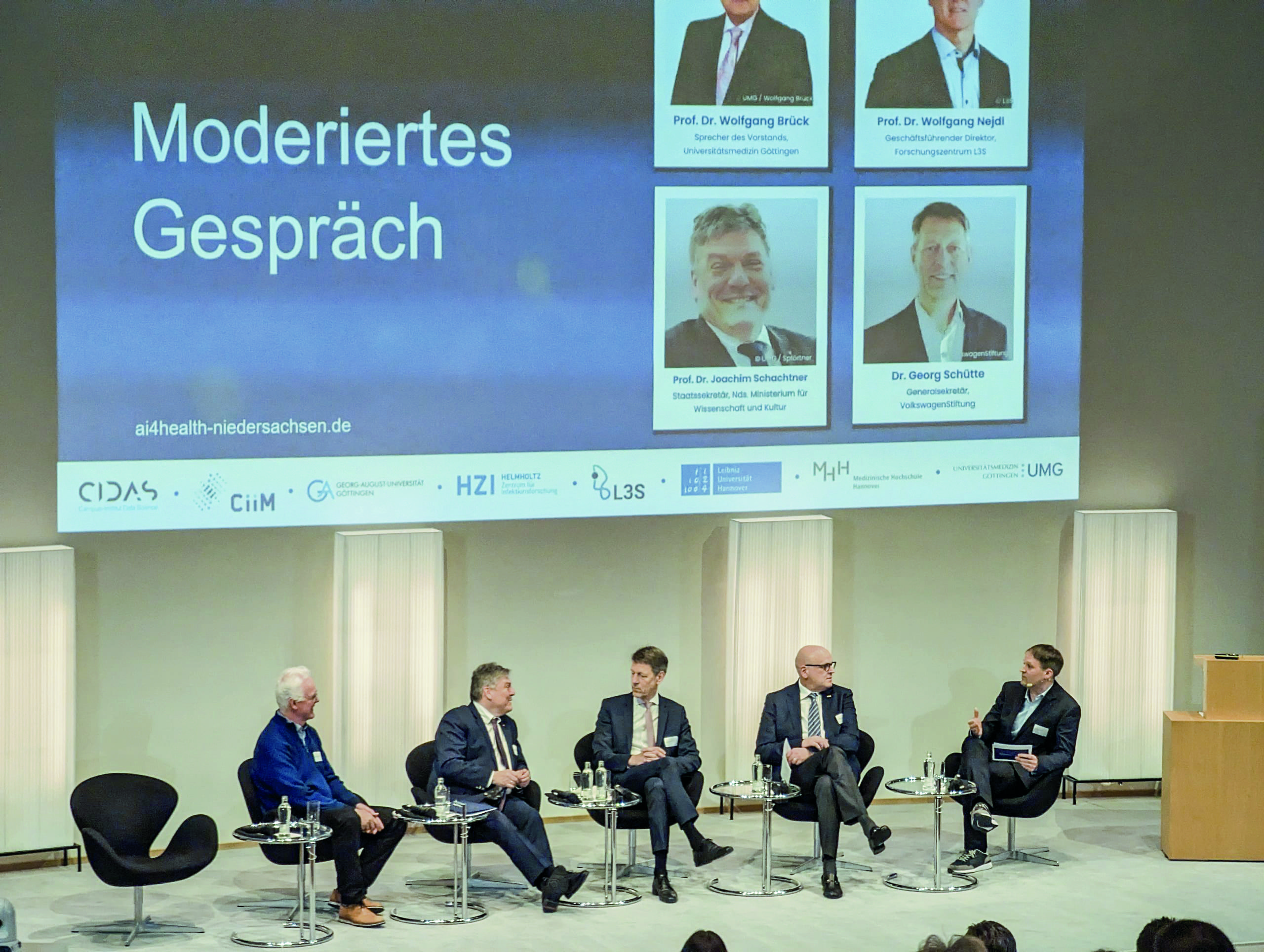
„Das Ziel kann nicht sein, dass die Maschine immer Recht hat. Das Ziel ist vielmehr, dass wir verstehen, warum sie glaubt, Recht zu haben.“

Falko Mohrs
Niedersächsischer Minister für Wissenschaft und Kultur
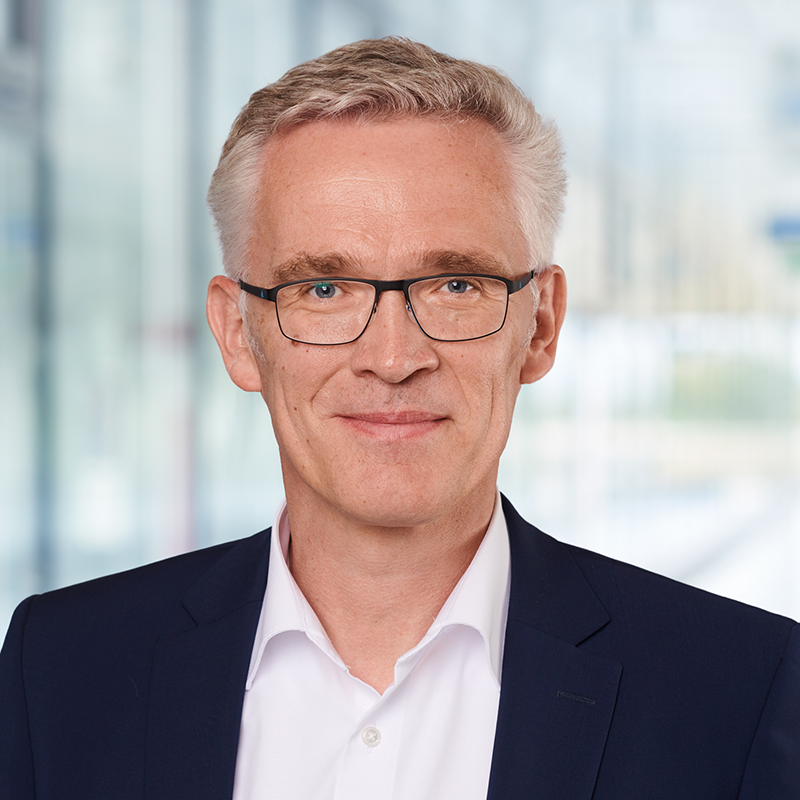
„Verantwortung darf niemals an eine Maschine delegiert werden! Sie verbleibt, ungeachtet aller technologischen Sprünge, unweigerlich bei uns Menschen.“

Dr. Georg Schütte
Vorstand VolkswagenStiftung
„Das L3S steht beispielhaft für eine Forschung, die methodische Grundlagen, technologische Innovation und gesellschaftliche Verantwortung konsequent miteinander verbindet.“

Prof. Dr. Volker Epping
Präsident der Leibniz Universität Hannover
25 Jahre Forschung im Wandel
Vom digitalen Lernen über das Web und Data Science bis zur künstlichen Intelligenz: In 25 Jahren hat sich das L3S immer wieder neuen technologischen Entwicklungen gestellt. Forschungsfelder haben sich verändert, neue sind hinzugekommen und frühere Ideen haben den Weg für spätere Entwicklungen bereitet.

2001 – 2004
Ein Labor für die Zukunft des Lernens
Das L3S startet mit einer Vision: Digitale Technologien sollen Lernen verändern und Wissen besser zugänglich machen.
Am Anfang steht eine einfache, aber weitreichende Frage:
Wie können digitale Technologien das Lernen verändern?
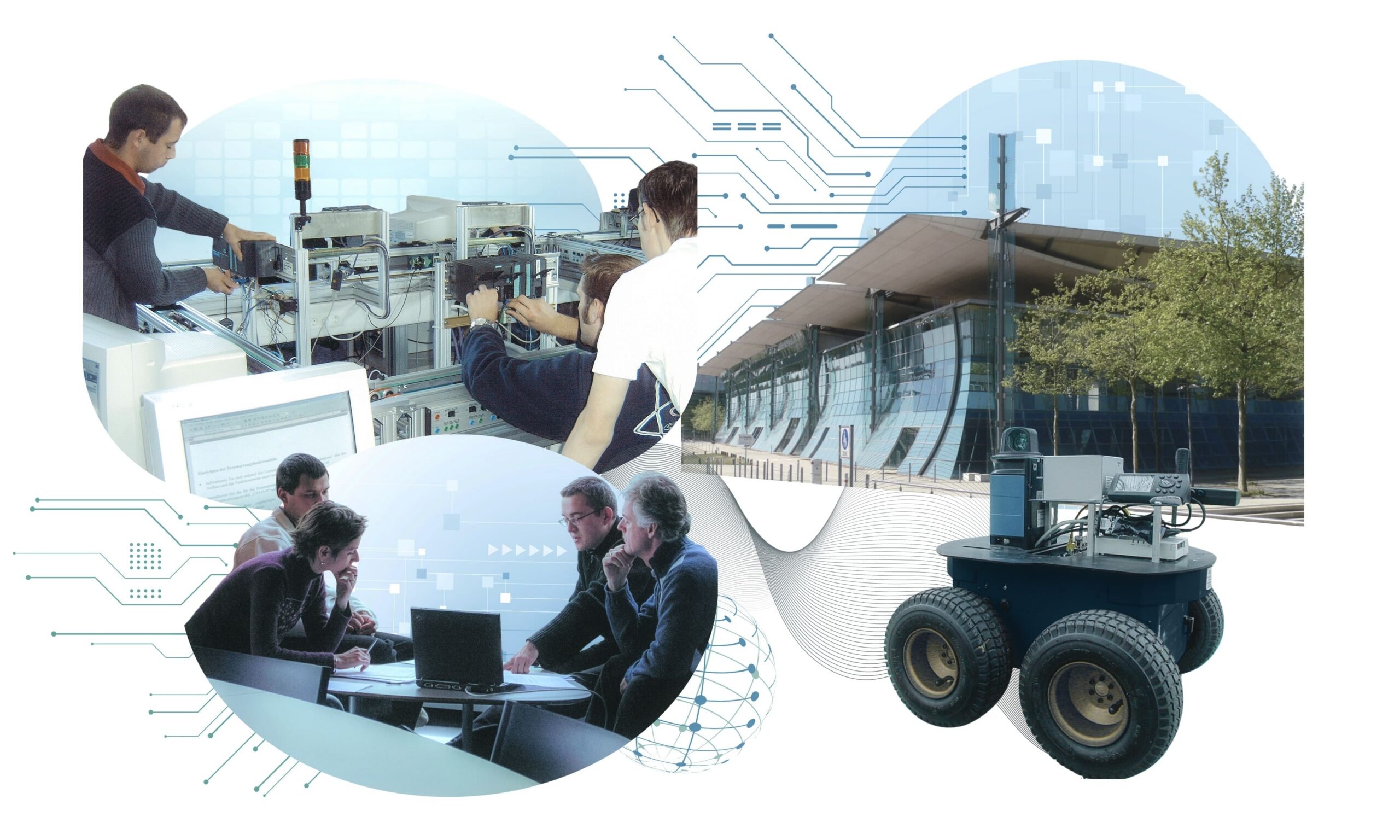
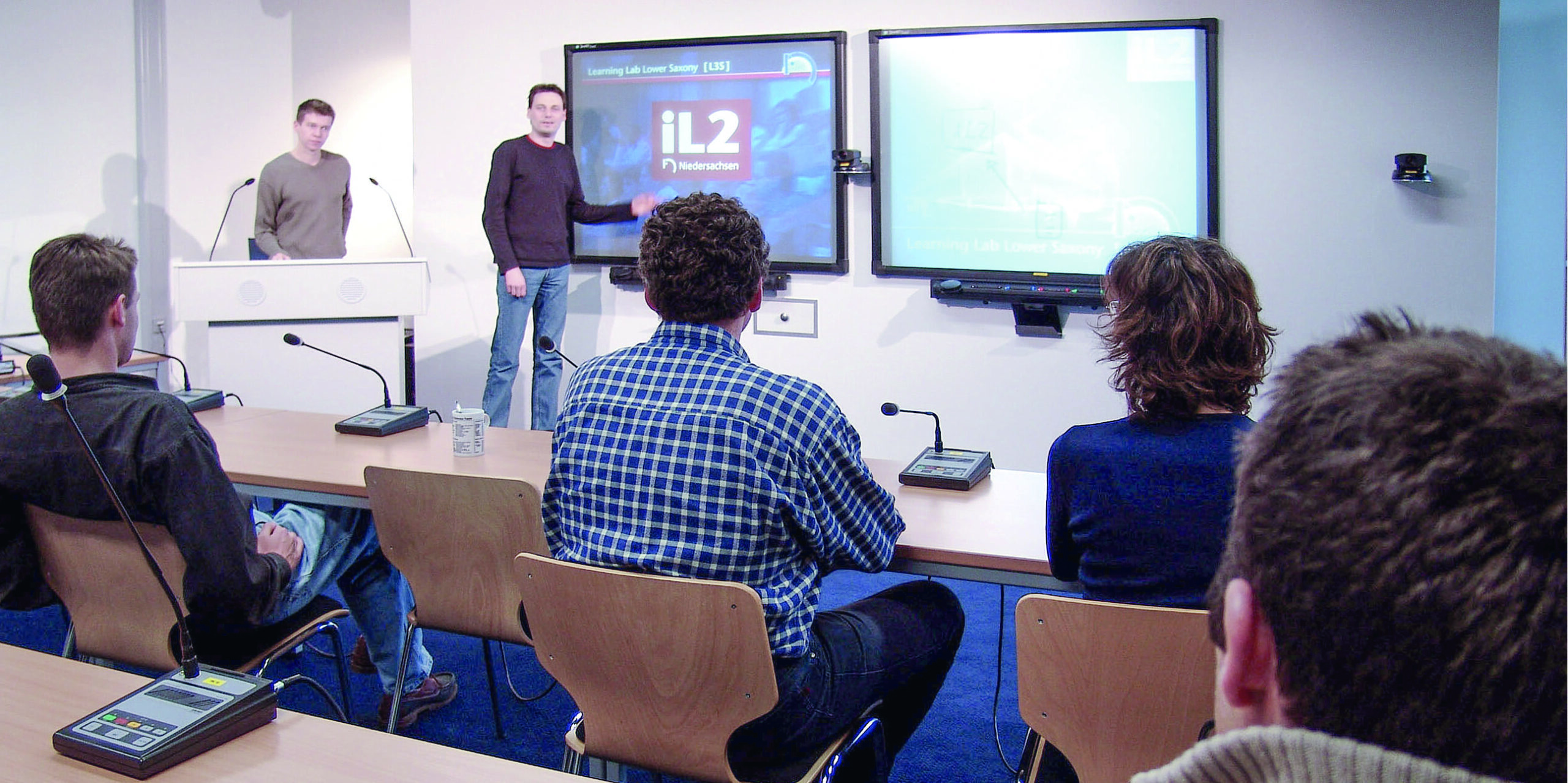
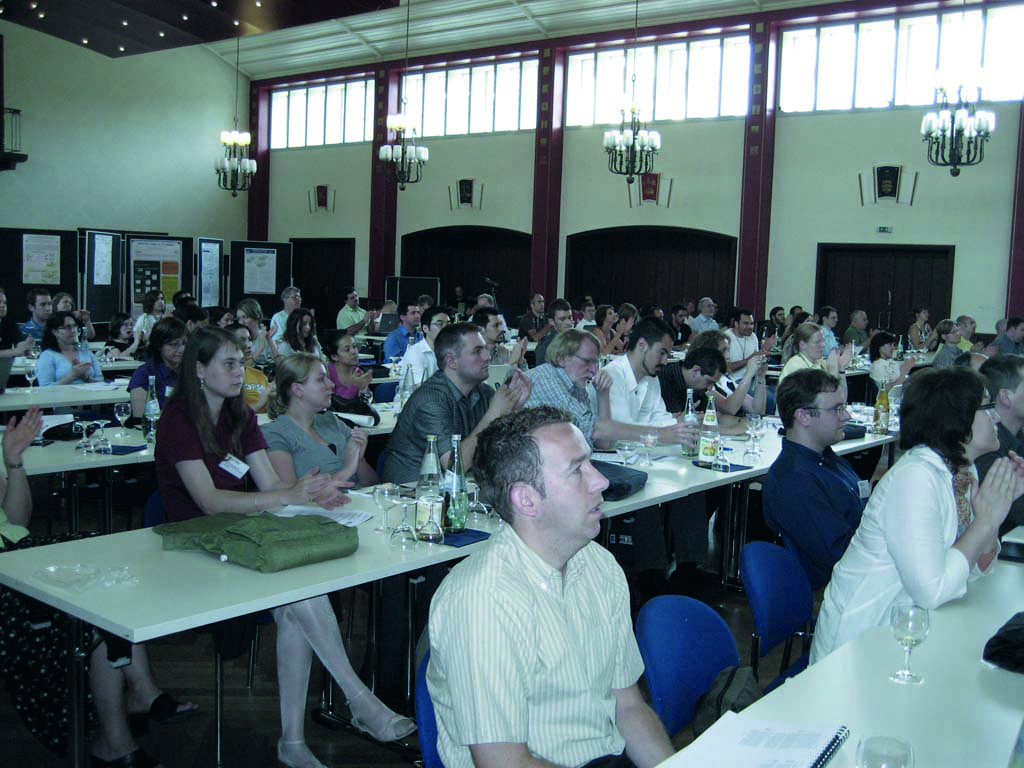
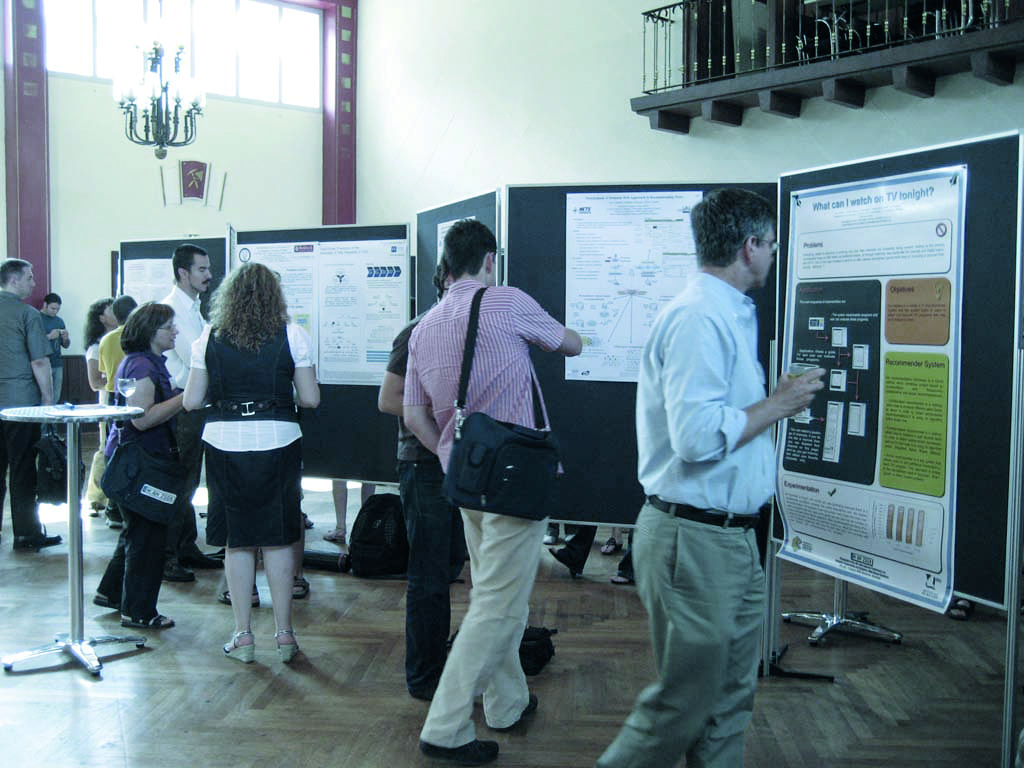
Als Learning Lab Lower Saxony startet das L3S 2001 mit Forschung zu digitalen Lerntechnologien. Im Mittelpunkt stehen neue Formen des technologiegestützten Lernens und Lehrens, kollaborative Lernumgebungen und die Frage, wie Inhalte individuell auf Lernende zugeschnitten werden können. Das L3S stellt dafür eine exzellente Forschungs- und Kooperationsinfrastruktur bereit. Von Beginn an ist das L3S international ausgerichtet – mit renommierten Partnern wie der Stanford University und der KTH Stockholm.
Lernen braucht neue Formen der Kommunikation, des Zugangs zu Wissen und der Zusammenarbeit. Deshalb erweitert das L3S sein Themenspektrum früh um Internet-Technologien, Semantic Web und digitale Bibliotheken sowie um mobile und verteilte Systeme. Das L3S verbindet dabei Grundlagenforschung und technologische Entwicklung mit praktischer Anwendung. Mit europaweiten Forschungsnetzwerken und Partnern aus Wissenschaft, Wirtschaft und Bildung wächst zugleich die internationale Ausrichtung.
Was bleibt?
Digitale Technologien so zu gestalten, dass sie Menschen beim Lernen und Arbeiten unterstützen, gehört bis heute zu den Kernaufgaben des L3S.

2004 – 2009
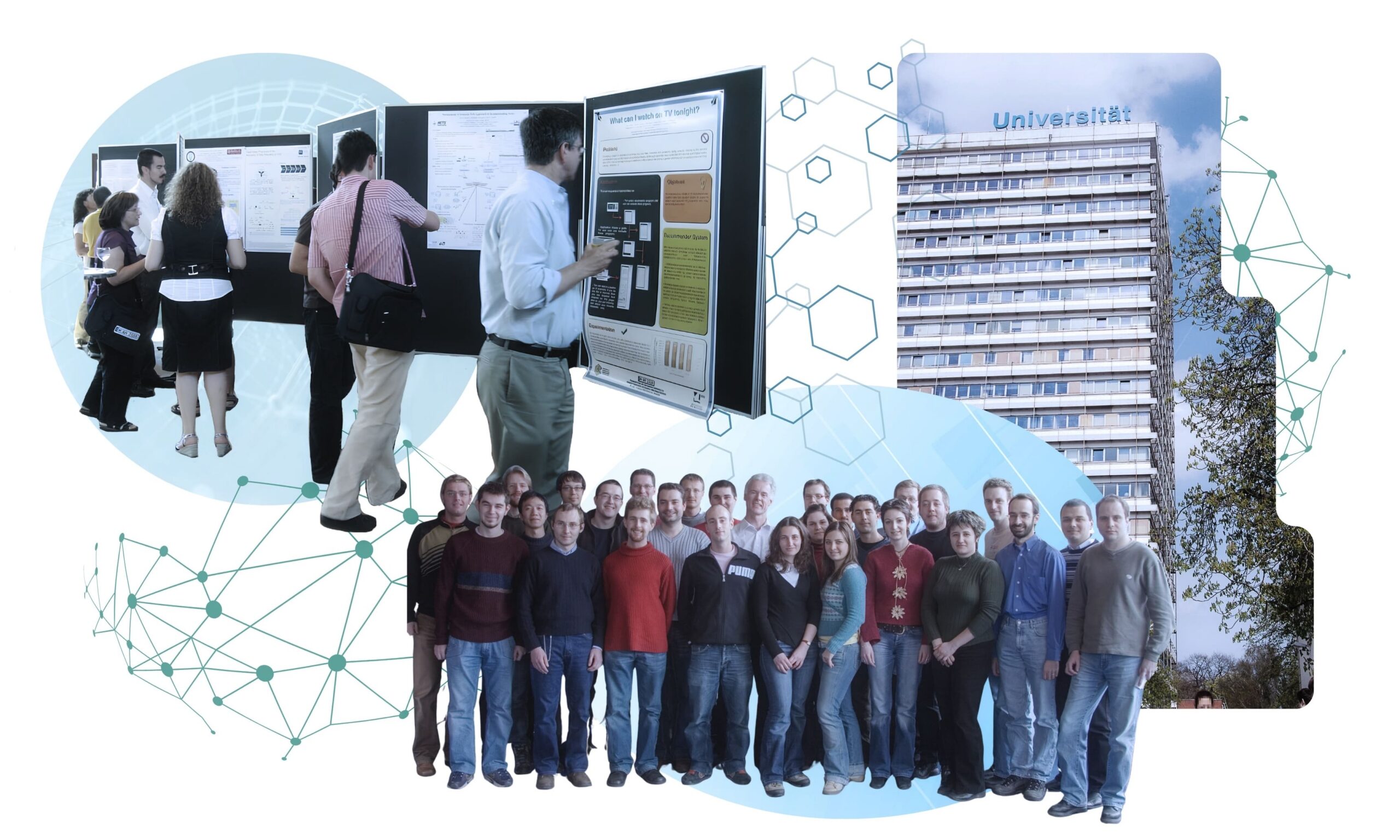
Das Web verstehen und gestalten
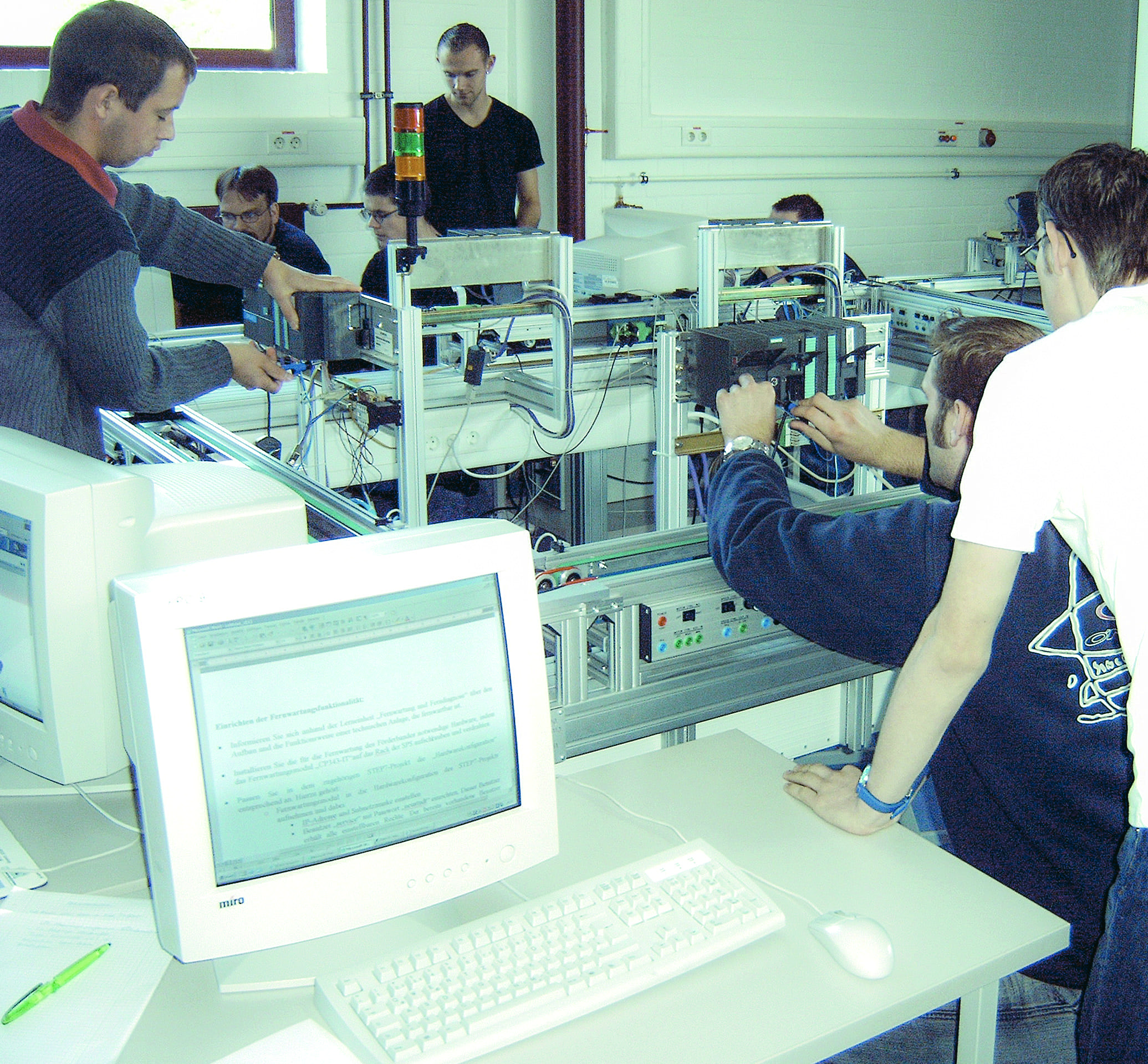
Mit dem rasanten Wachstum des Internets rückt eine neue Frage in den Mittelpunkt: Wie lässt sich Wissen im Web organisieren, finden und langfristig nutzbar machen?
Das Internet wächst rasant – und mit ihm die Menge an Informationen. Eine neue Frage rückt in den Mittelpunkt: Wie finden Menschen in diesem Wissen genau das, was sie suchen?
Herkömmliche Suchmaschinen stoßen zunehmend an Grenzen. Das L3S erforscht deshalb Verfahren, die nicht nur Wörter erkennen, sondern den Kontext und die Bedeutung von Informationen berücksichtigen. Die Vision des Semantic Web entsteht: Inhalte sollen maschinenlesbar beschrieben, miteinander verknüpft und dadurch besser auffindbar werden.
Parallel entwickelt das L3S neue Ansätze für personalisierte und adaptive Informationssysteme. Suchergebnisse sollen sich stärker an den Interessen und Bedürfnissen der Nutzer orientieren.
Die Forschung reicht dabei über Web-Inhalte hinaus: Das L3S beschäftigt sich mit verteilten Informationsinfrastrukturen, Netzwerken, Sicherheit und der Frage, wie unterschiedliche Datenquellen intelligent miteinander verbunden werden können.
Was bleibt?
Die Idee, Informationen nicht nur zu sammeln, sondern zu strukturieren, zu verknüpfen und in ihrem Kontext verständlich zu machen, wird zu einem wichtigen Fundament späterer Forschung zu Wissensgraphen und KI.

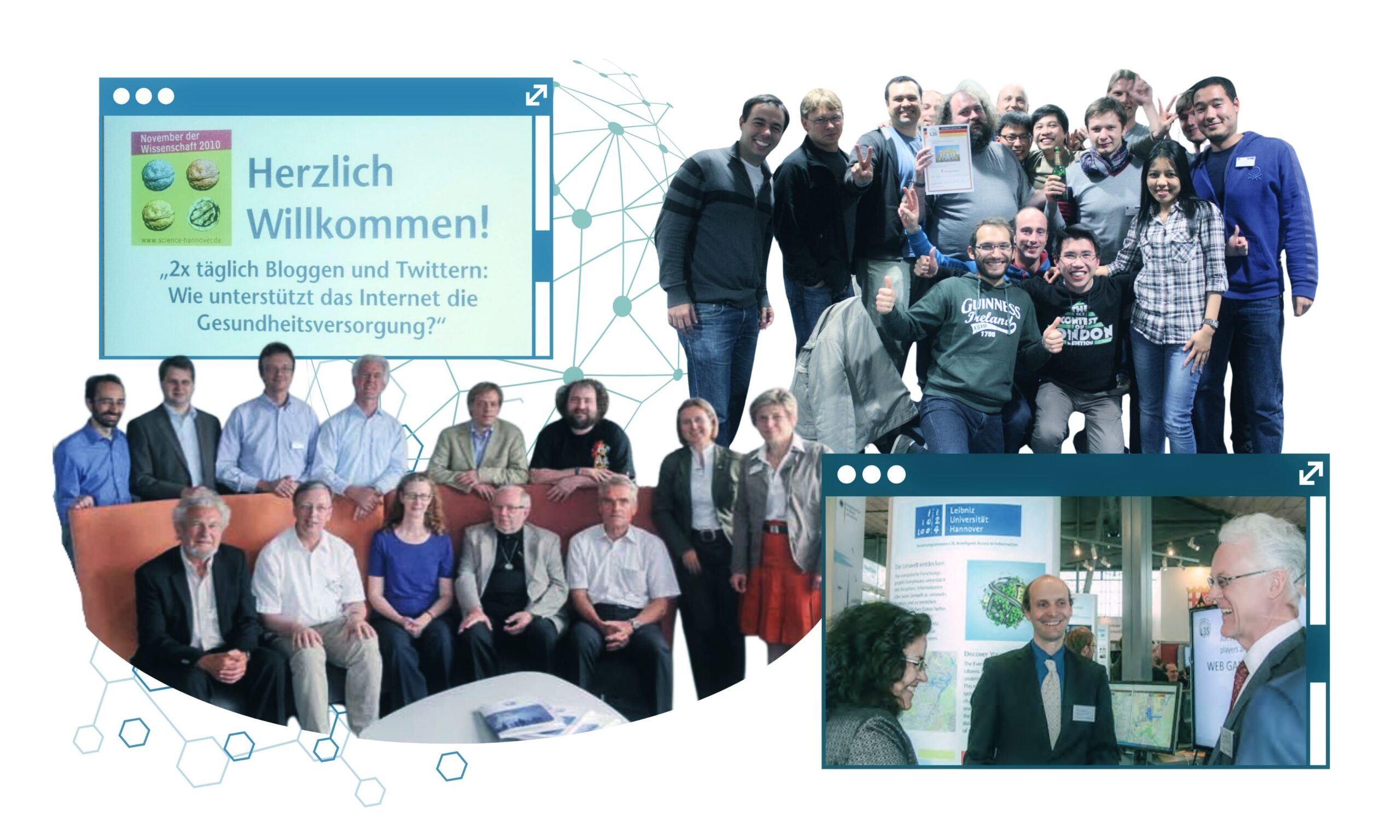
2009 – 2014
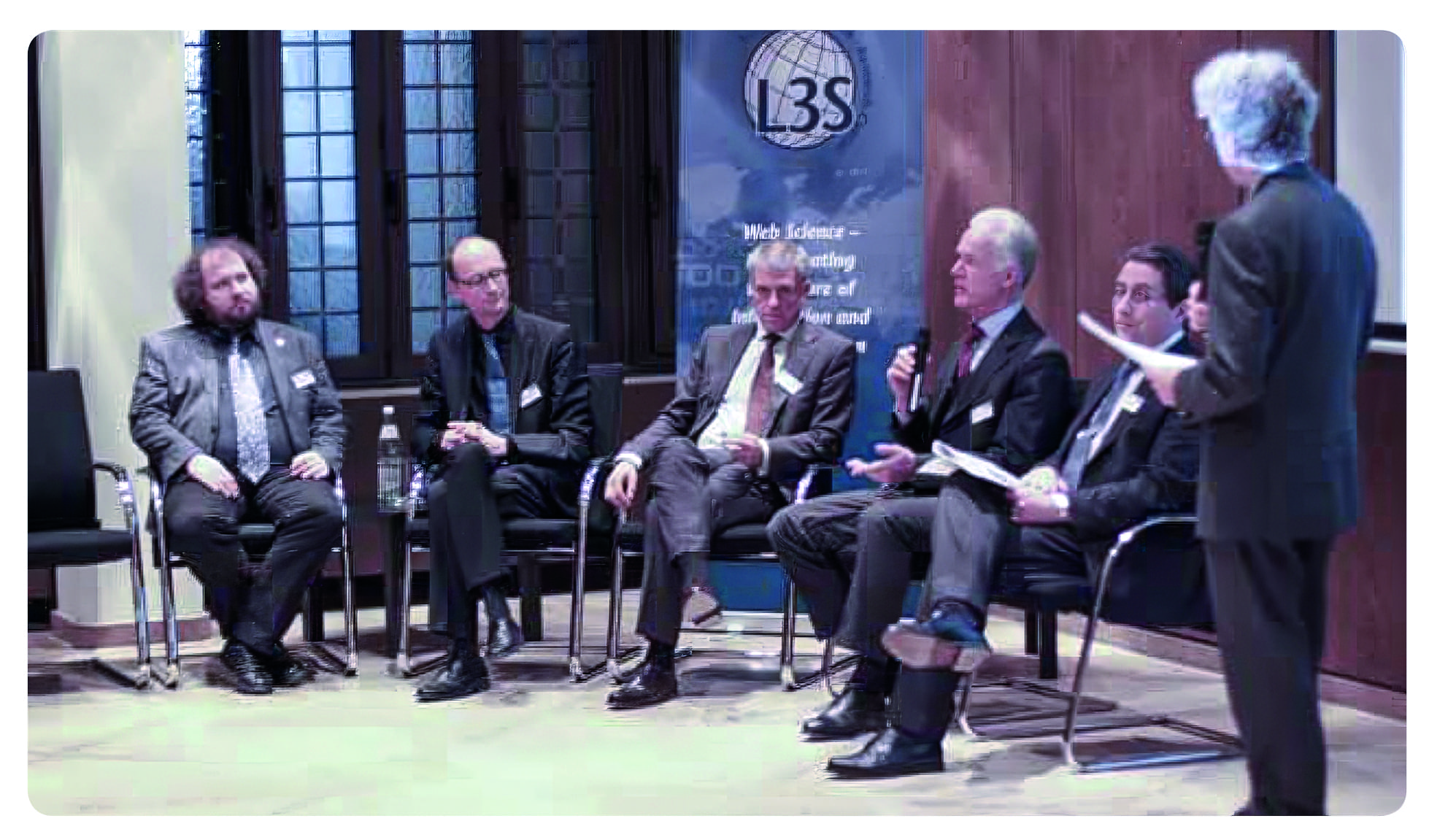
Vom Semantic Web zur Web Science
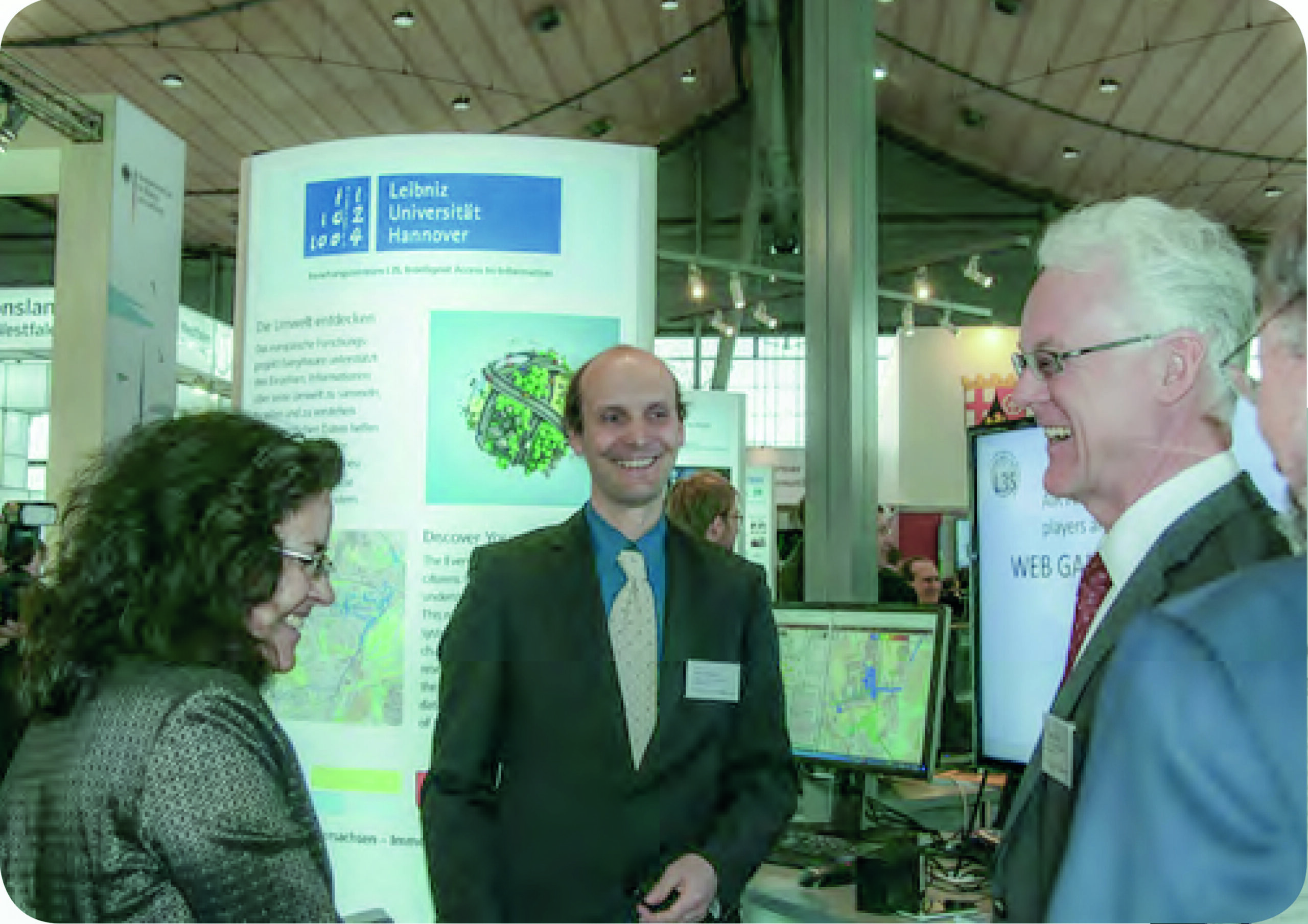
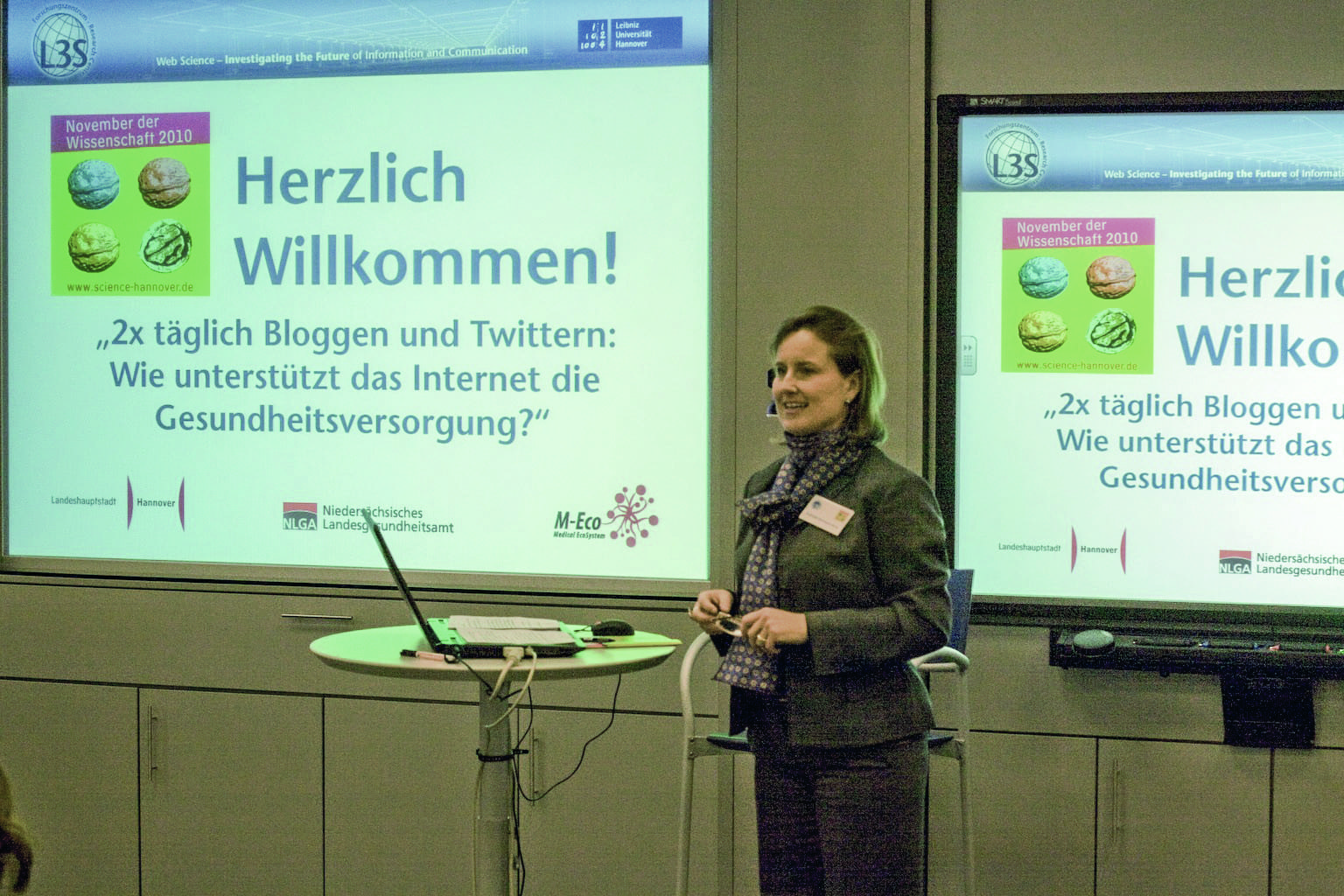
Das Web wird zum Forschungsgegenstand – und das L3S zu einem internationalen Akteur der Web Science.
Das Web ist inzwischen kein reiner Informationskanal mehr. Menschen kommunizieren, arbeiten und forschen darin. Damit wird das Web selbst zum Forschungsgegenstand.
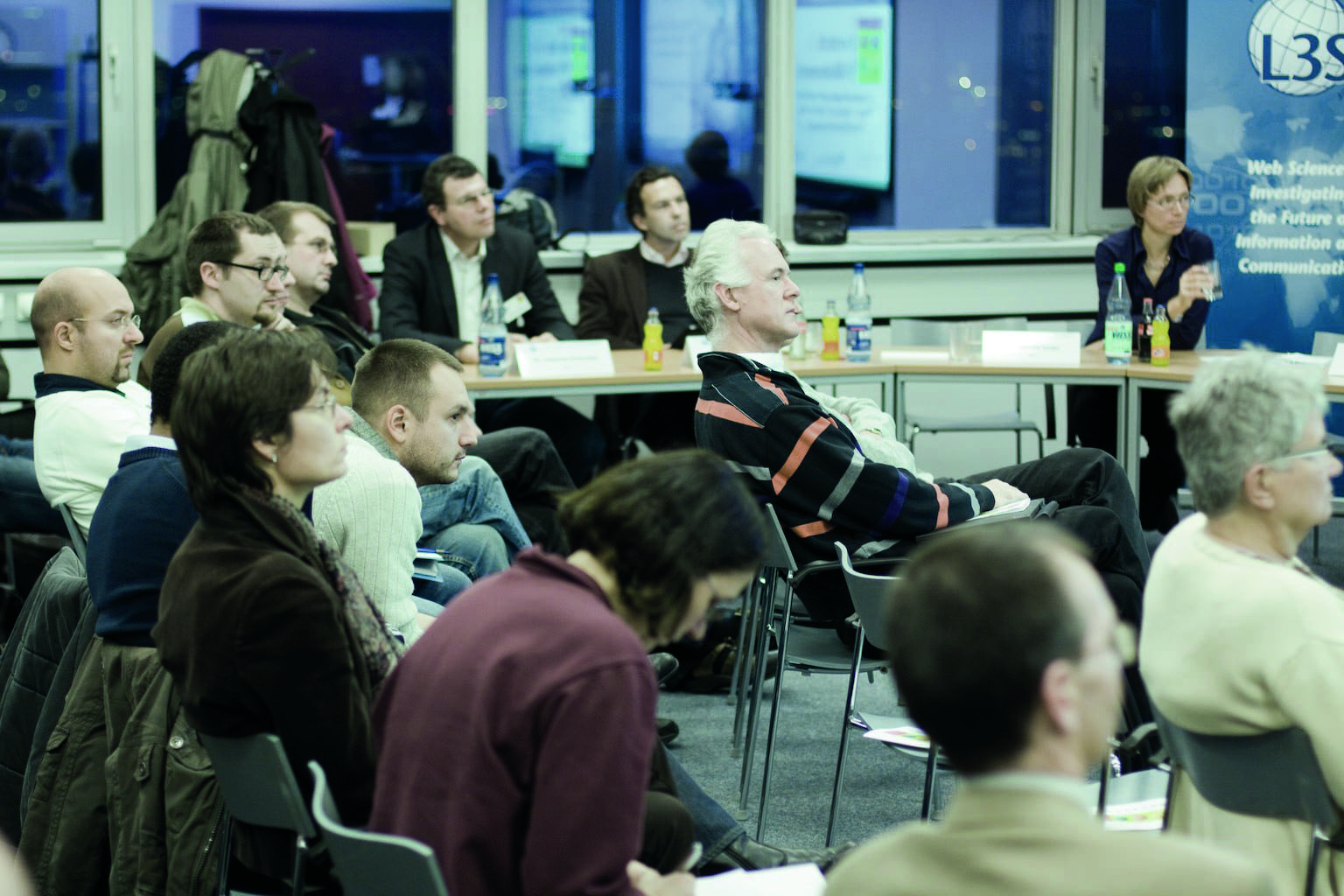
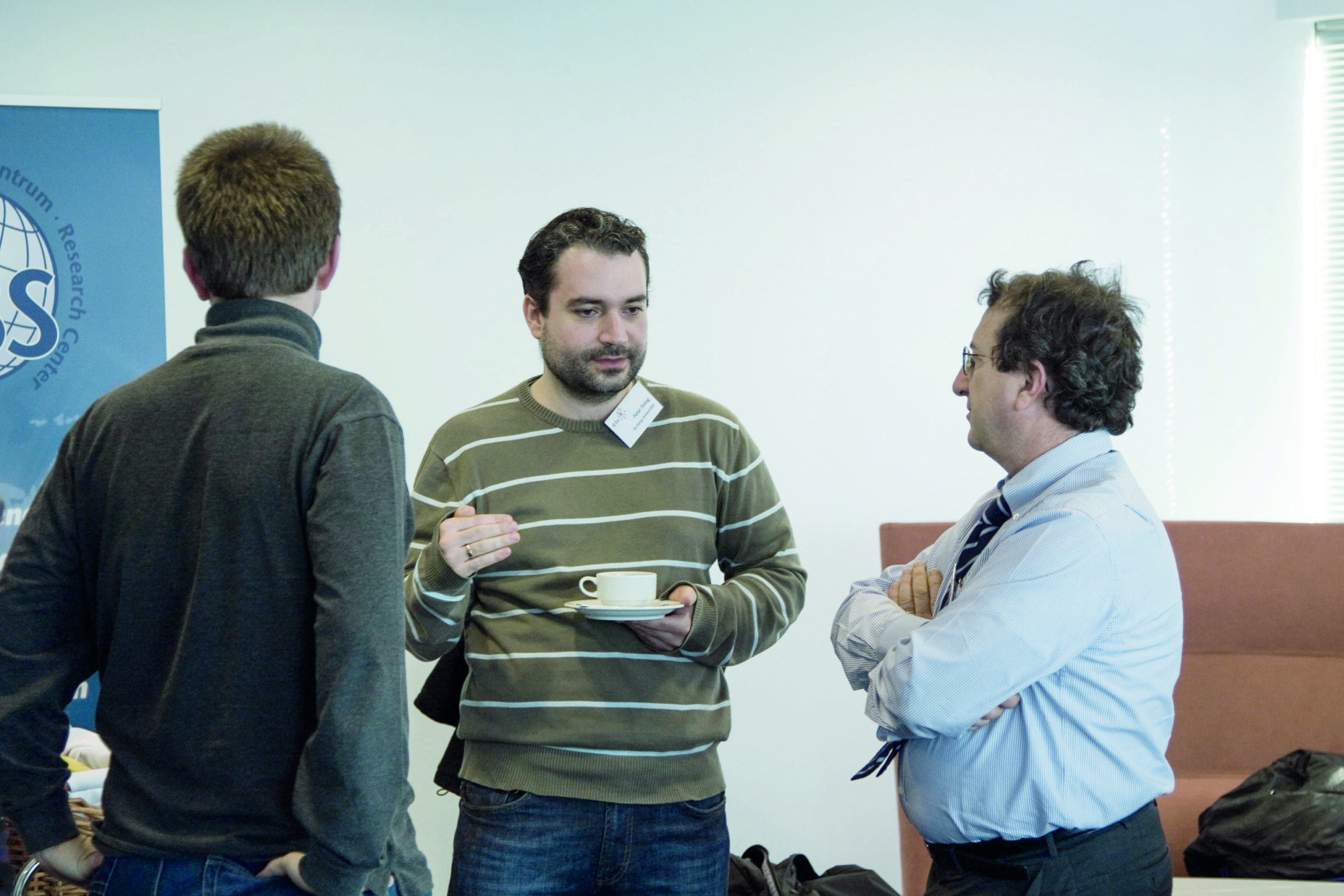
Mit der Web Science richtet das L3S seinen Blick auf das Zusammenspiel von Technologie und Menschen. Es geht um Kommunikation und Vernetzung, Personalisierung und Informationssuche, aber auch um soziale, wirtschaftliche und rechtliche Aspekte der digitalen Welt. Das Web entwickelt sich zu einem globalen Wissensraum, in dem Nutzer nicht nur Informationen konsumieren, sondern selbst Inhalte erstellen und verbreiten.
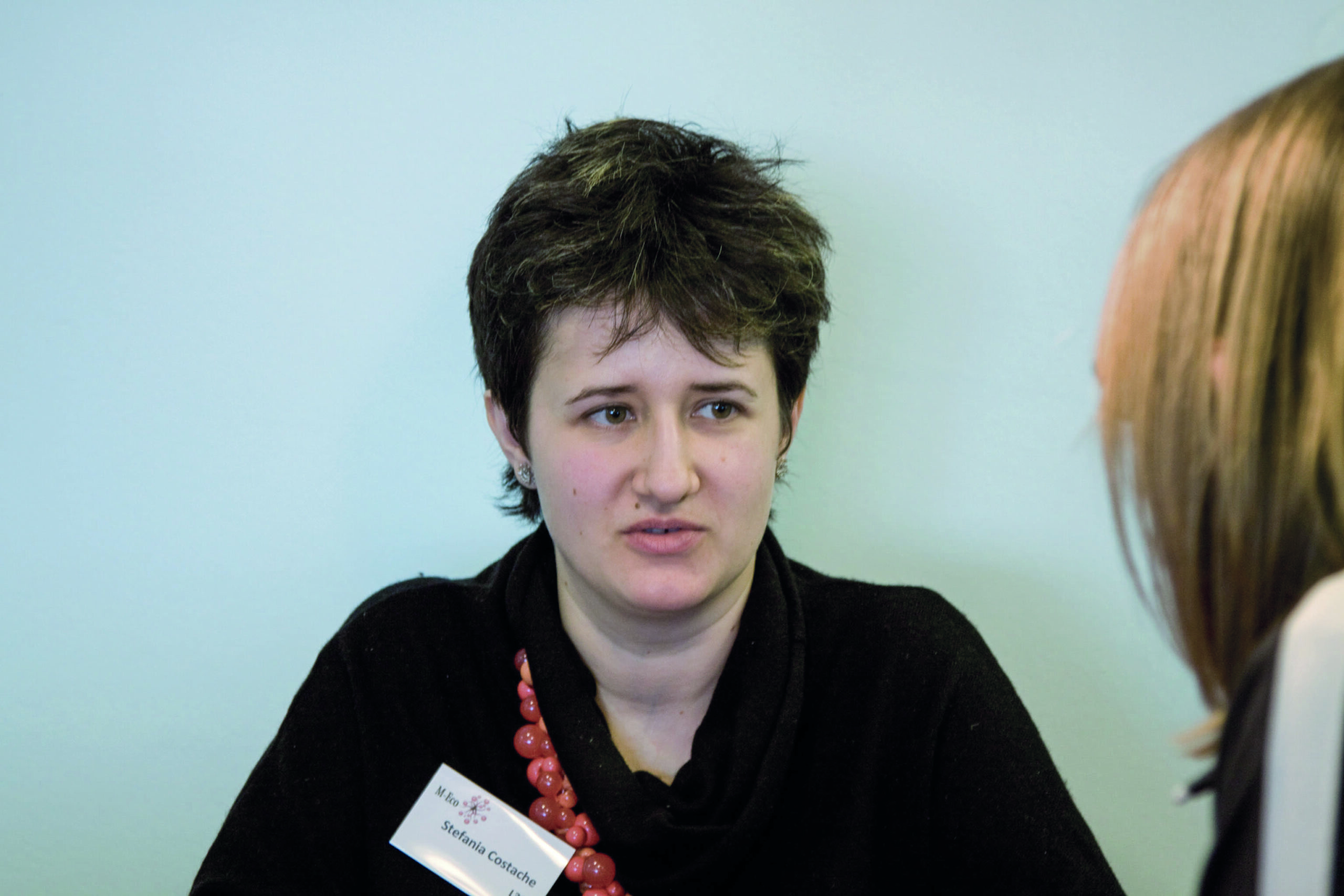
Damit wird Forschung zunehmend interdisziplinär. Informatik trifft auf Sozial-, Wirtschafts- und Rechtswissenschaften. Fragen zu Datenschutz, Sicherheit und verantwortungsvoller Datennutzung gewinnen an Bedeutung – etwa bei der europaweiten Vernetzung medizinischer Daten.
Gleichzeitig beginnt das L3S, große und komplexe Daten für neue Anwendungen zu erschließen. In der Medizin entstehen erste datengetriebene Ansätze, die später zu einem wichtigen Teil der KI-Forschung werden.
Was bleibt?
Die Erkenntnis, dass digitale Technologien nie nur technische Systeme sind. Sie wirken in gesellschaftlichen Zusammenhängen – und müssen deshalb interdisziplinär erforscht und gestaltet werden.




2014 – 2018
Von Webdaten zu datengetriebenen Entscheidungen
Mit Big Data und maschinellem Lernen wächst die Bedeutung der Analyse großer Datenmengen. Das L3S entwickelt neue Methoden und Anwendungen für Medizin, Mobilität und Gesellschaft.
Immer mehr Daten stehen zur Verfügung. Die Herausforderung verändert sich: Nicht mehr nur der Zugang zu Informationen ist entscheidend, sondern die Fähigkeit, aus Daten neues Wissen zu gewinnen.
Data Science, Machine Learning und datenintensive Anwendungen gewinnen am L3S an Bedeutung. Große Mengen heterogener Daten werden analysiert, miteinander verknüpft und für neue Erkenntnisse genutzt.
Medizin, Mobilität, industrielle Produktion und Gesellschaft werden zu wichtigen Bereichen datengetriebener Forschung. Gleichzeitig bleibt die Frage nach Datenschutz, Sicherheit und gesellschaftlicher Verantwortung ein integraler Bestandteil.
Was bleibt?
Die langjährige Forschung zu Web, Semantik und Datenmanagement wird zur Grundlage für eine neue Generation datengetriebener und lernender Systeme.



2018 – 2023
KI kommt in die Anwendung
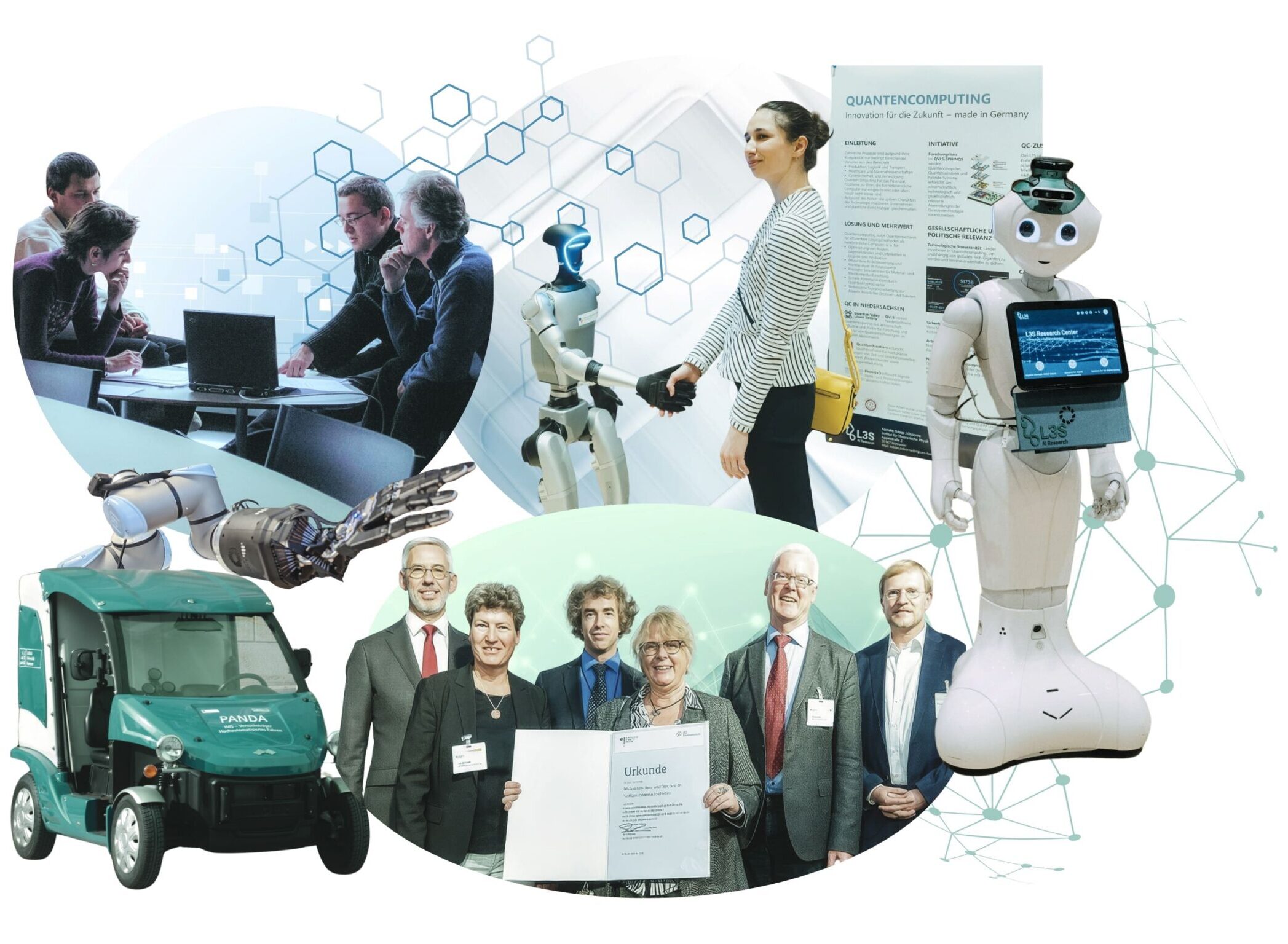
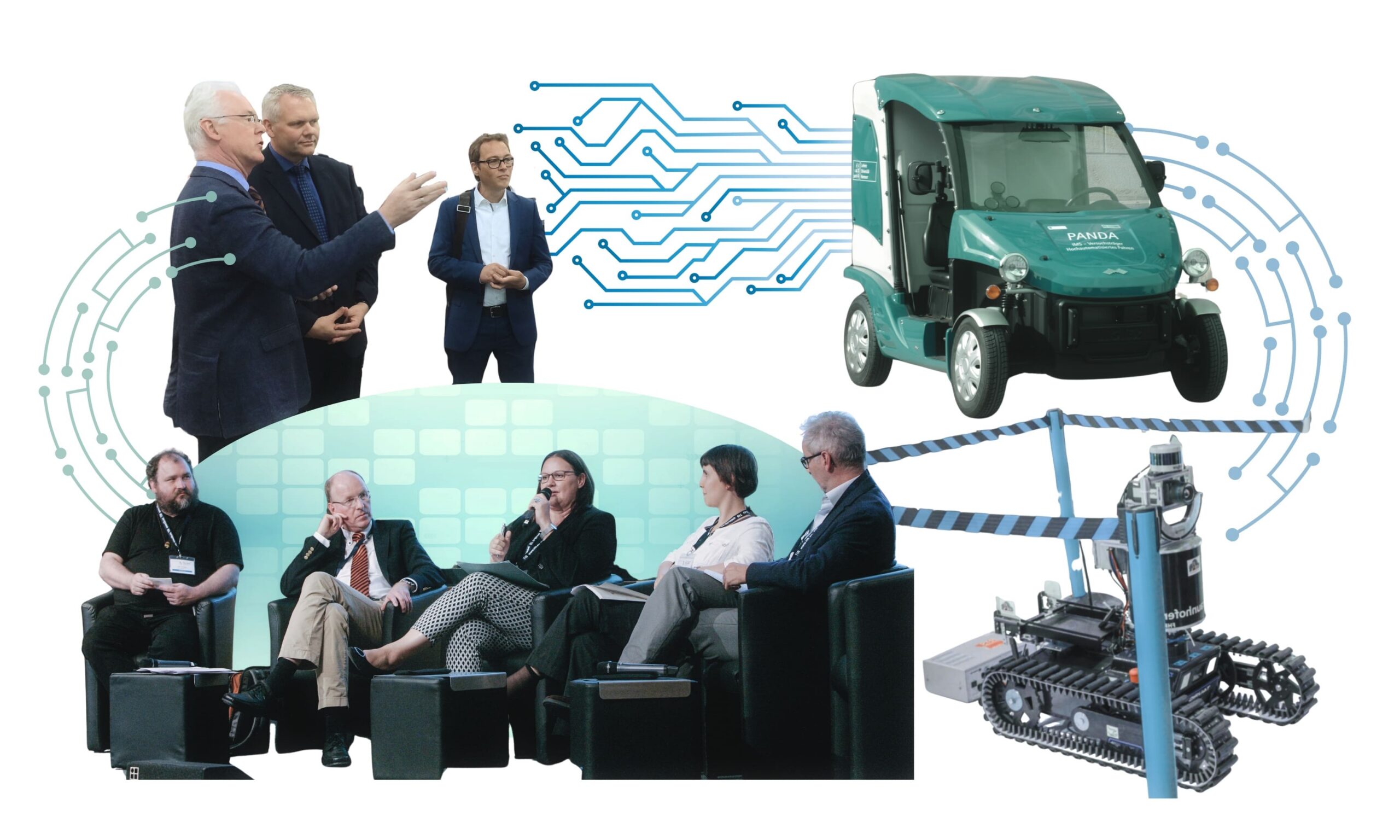
Künstliche Intelligenz wird zum verbindenden Element vieler Forschungsfelder – von der industriellen Produktion über Mobilität bis zur Medizin.
Künstliche Intelligenz entwickelt sich vom Forschungsfeld zu einer Schlüsseltechnologie. Am L3S forschen unterschiedliche Disziplinen an konkreten Anwendungen.
Machine Learning und Deep Learning ermöglichen neue Anwendungen in Medizin, Mobilität und industrieller Produktion. Systeme sollen Bilder und Sensordaten interpretieren, Muster erkennen, Vorhersagen treffen und Menschen bei komplexen Entscheidungen unterstützen.
Dabei wird KI zunehmend auch selbst zum Gegenstand kritischer Forschung: Wie lassen sich Verzerrungen und Diskriminierung erkennen? Wie können KI-Systeme nachvollziehbar und fair werden? Und wie lässt sich ihre Leistungsfähigkeit mit Sicherheit und gesellschaftlicher Verantwortung verbinden?
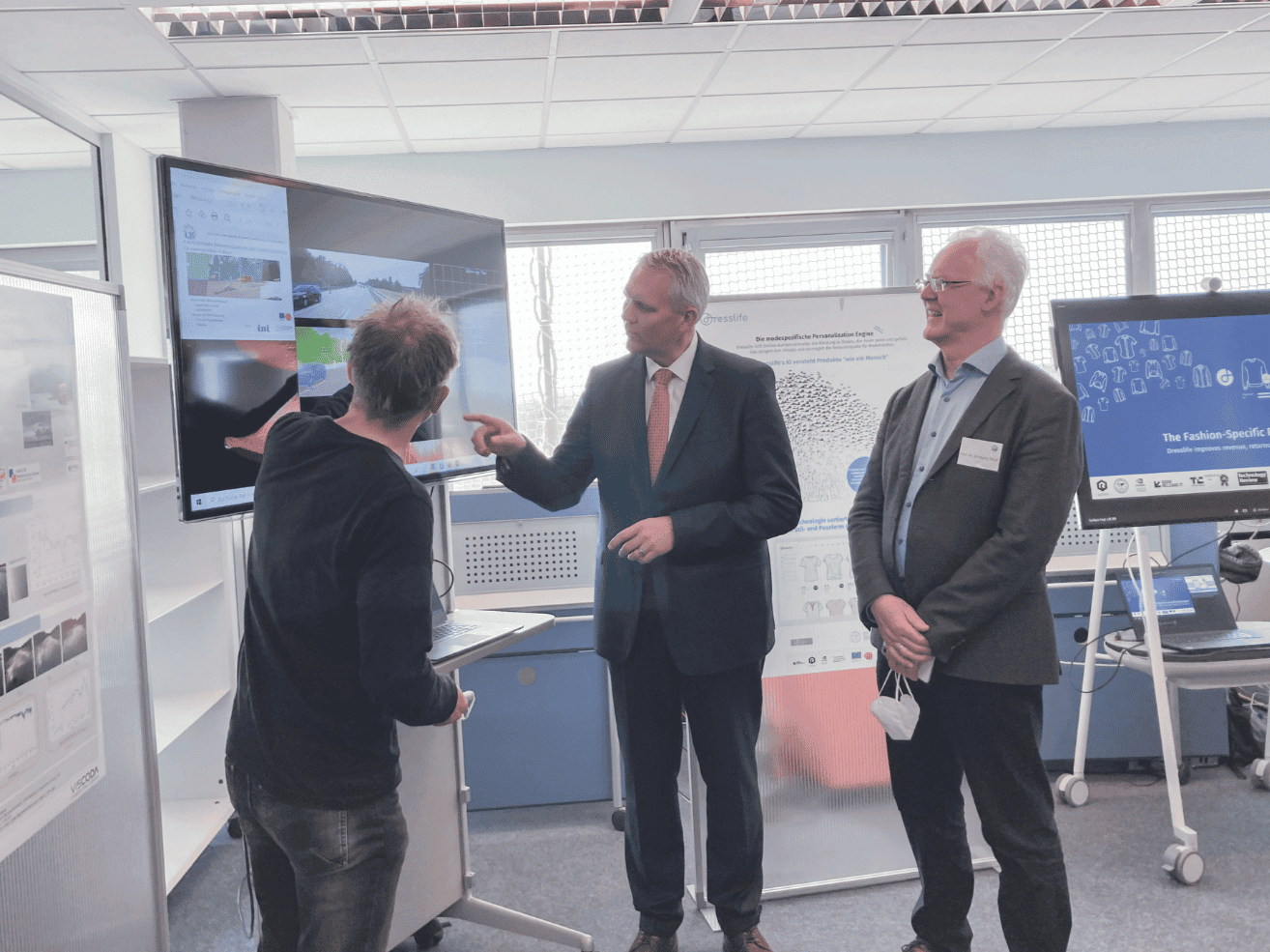
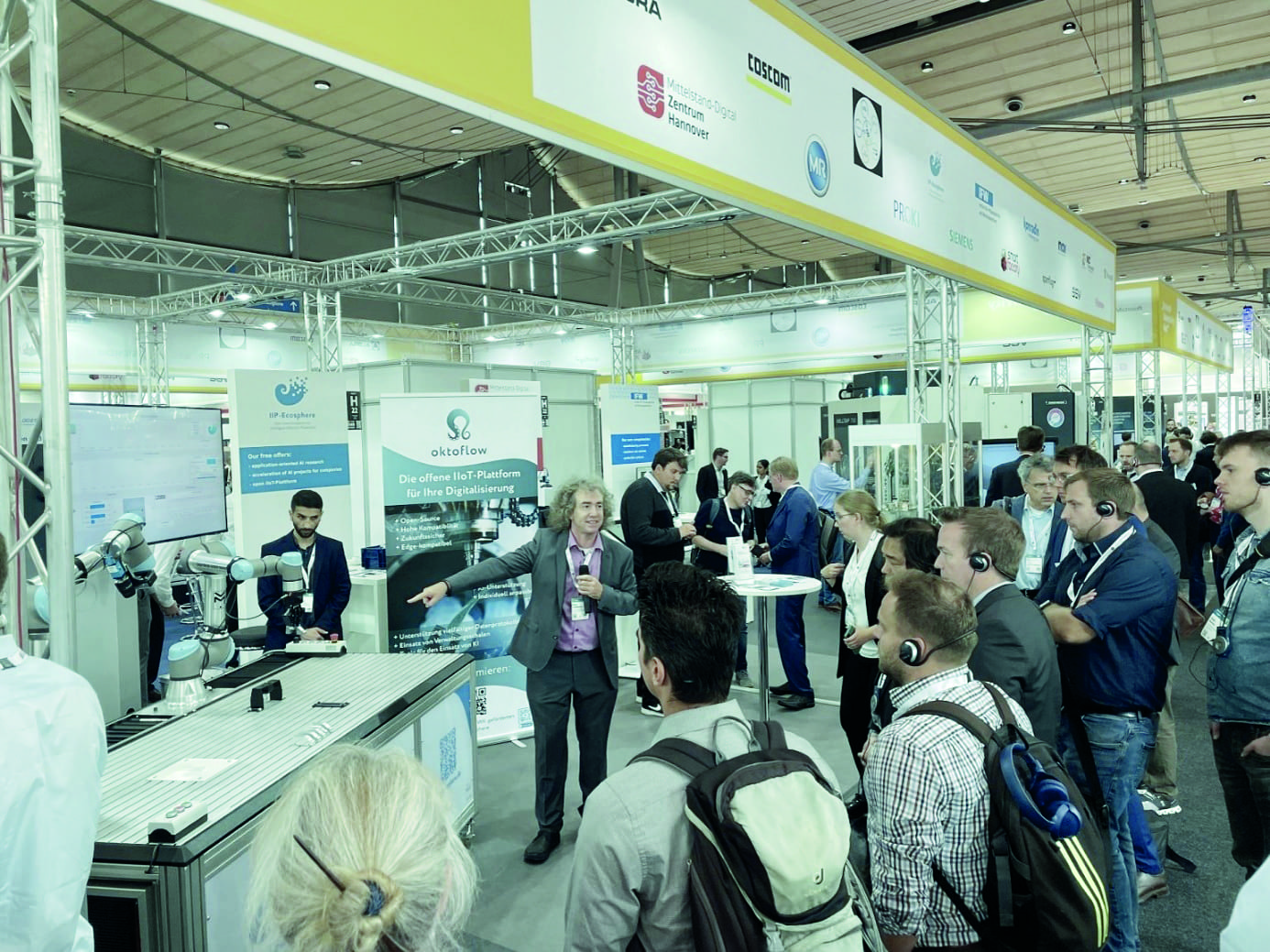
In dieser Phase entwickelt das L3S gemeinsam mit Partnern aus Wissenschaft und Wirtschaft ein KI-Ökosystem für die industrielle Produktion (IIP-Ecosphere). Im neuen Zentrum für digitale Innovationen Niedersachsen wird das L3S zu einem wichtigen Partner der niedersächsischen Digitalisierungsforschung. Mit dem Internationalen Leibniz-Zukunftslabor Künstliche Intelligenz baut das L3S seine internationale KI-Forschung im Bereich personalisierter Medizin aus. Gleichzeitig wächst die technische Infrastruktur: Hochleistungsrechner ermöglichen die Verarbeitung immer größerer Datenmengen und das Training komplexer Modelle.
Auch energieeffiziente KI wird relevant. Bei Anwendungen wie dem autonomen Fahren müssen KI-Systeme große Mengen an Sensordaten in Echtzeit verarbeiten und gleichzeitig zuverlässig und energiesparend arbeiten.
Was bleibt?
KI wird am L3S nicht als isolierte Technologie verstanden, sondern als Verbindung von Daten, Wissen, Menschen und konkreten gesellschaftlichen Anwendungen.


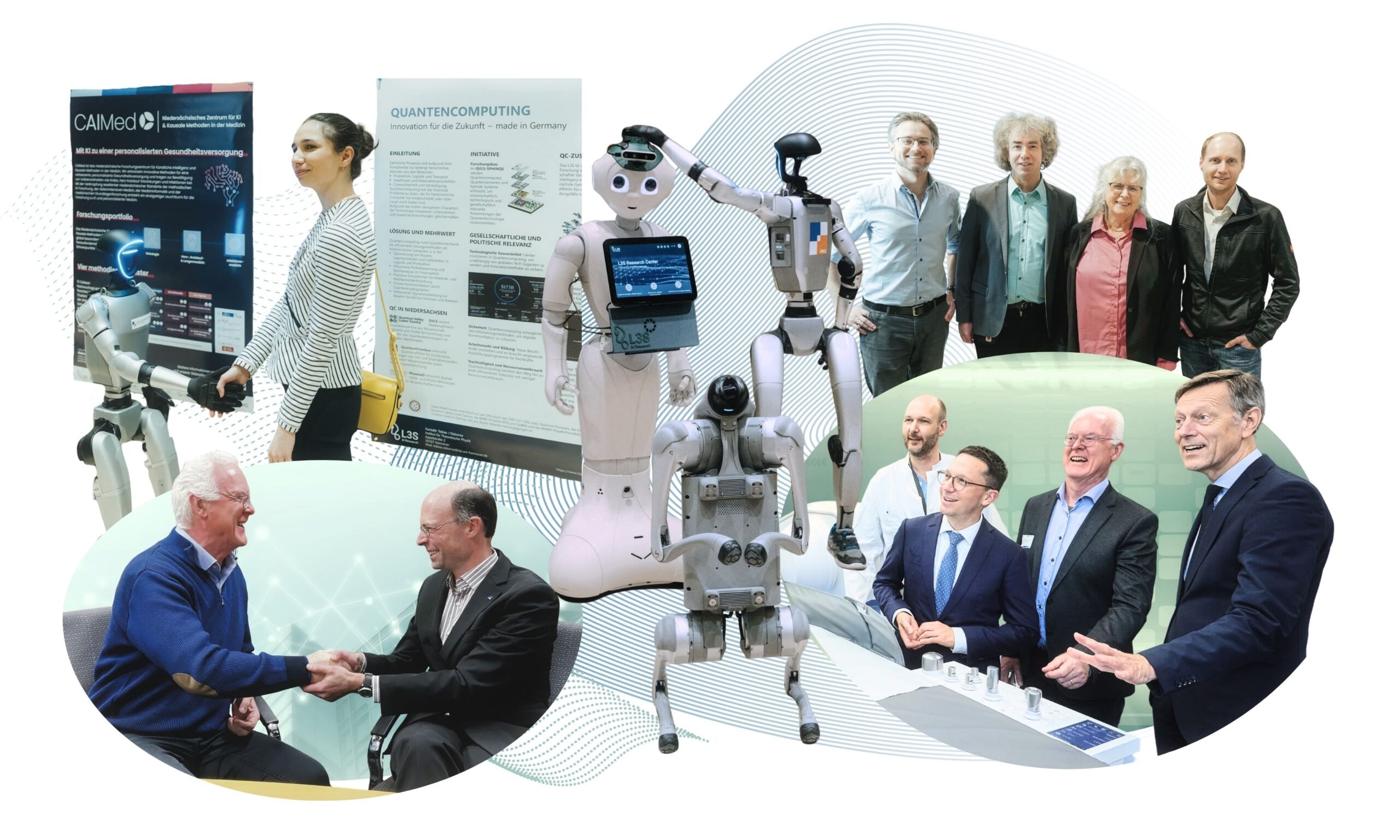
2023 – 2026
Vertrauenswürdige KI
KI verändert Wissenschaft und Gesellschaft grundlegend. Das L3S erforscht, wie intelligente Systeme leistungsfähig, nachvollziehbar, sicher und am Menschen orientiert gestaltet werden können.
Mit generativer KI und großen Sprachmodellen beginnt eine neue Phase. Maschinen können nicht nur Daten analysieren, sondern Sprache verstehen, Wissen erschließen und Menschen bei komplexen Aufgaben unterstützen.
Das L3S erforscht, wie solche Systeme leistungsfähig und zugleich vertrauenswürdig werden können. Dabei verbindet es seine langjährige Expertise in Datenmanagement, Semantic Web und Wissensgraphen mit modernen KI-Verfahren.
Ein Beispiel ist die wissenschaftliche Suche: Mit ORKG Ask werden große Sprachmodelle mit strukturiertem wissenschaftlichem Wissen verbunden. Forschende können Fragen in natürlicher Sprache stellen und erhalten Antworten, die mit Quellen und strukturierten Informationen verknüpft sind.
In der Medizin werden KI, Wissensgraphen und kausale Methoden zusammengeführt. In der Mobilität geht es um sichere und energieeffiziente KI-Systeme. Und mit Quantencomputing erschließt das L3S eine weitere Technologie, die langfristig neue Möglichkeiten für datenintensive Anwendungen eröffnen könnte.
Gleichzeitig rückt eine Frage immer stärker in den Mittelpunkt: Wie gestalten wir KI so, dass Menschen ihr vertrauen können?
Transparenz, Fairness, Erklärbarkeit, Sicherheit und menschliche Kontrolle werden zu zentralen Forschungsfragen.
Neben der Grundlagenforschung spielt die Förderung des Transfers von Wissen, Methoden und Technologien eine immer größere Rolle: Mit dem KI-Servicezentrum KISSKI und dem Digital Innovation Hub DAISEC unterstützt das L3S Unternehmen beim verantwortungsvollen Einsatz moderner KI-Technologien.
Europa braucht leistungsfähige KI, offene Wissensinfrastrukturen und technologische Souveränität. Das L3S gestaltet diese Entwicklung aktiv mit und ist an der Entwicklung offener europäische Sprachmodelle beteiligt.
Was bleibt?
Die Grenzen zwischen Mensch und Maschine werden neu ausgelotet. KI soll nicht einfach Entscheidungen übernehmen, sondern Menschen unterstützen, Wissen zugänglich machen und wissenschaftliche Erkenntnisse beschleunigen.

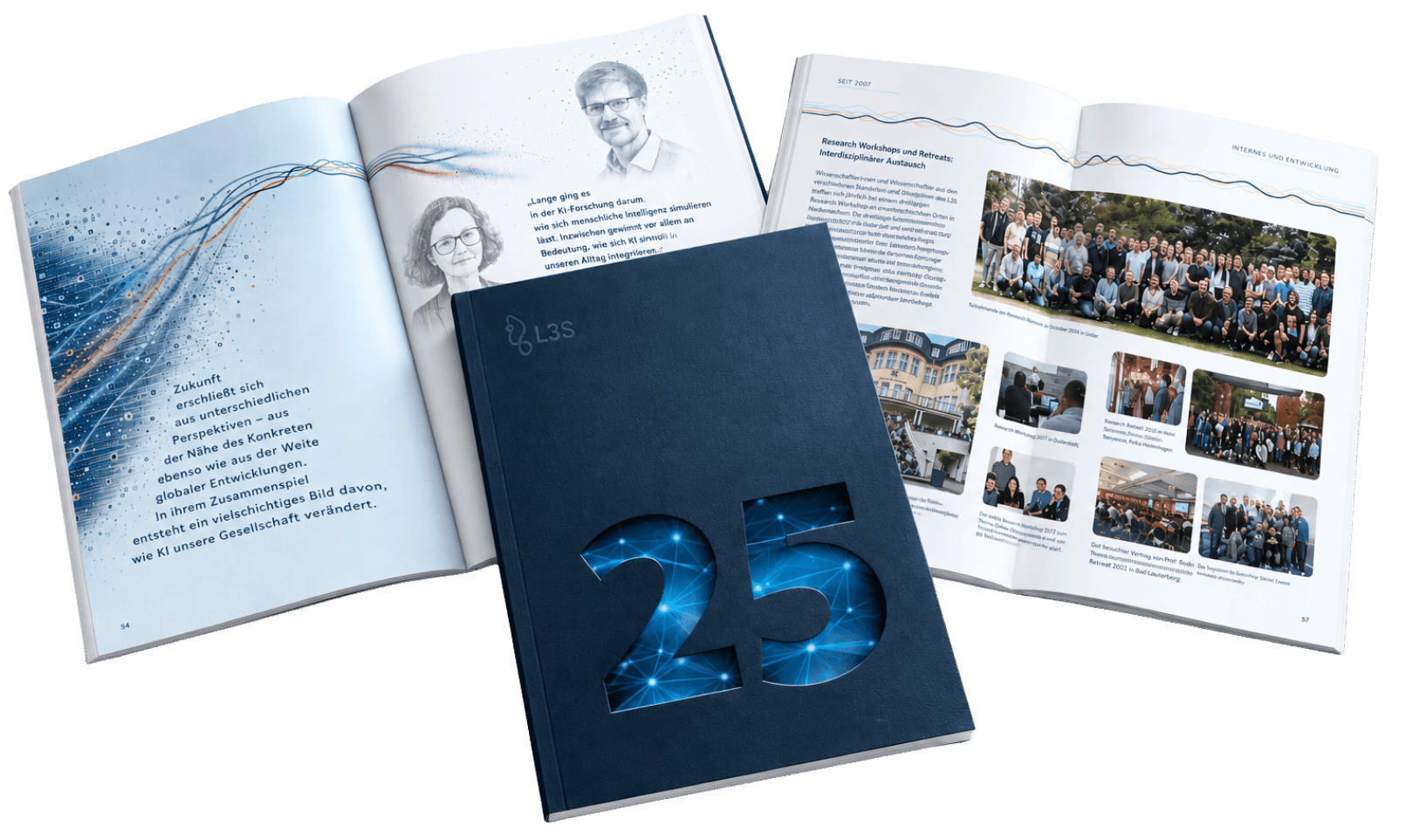
Jubiläumsausgabe
25 Jahre. Eine Geschichte.
Entdecken Sie die Menschen, die Forschung und die Ideen, die das L3S in den vergangenen 25 Jahren geprägt haben.
Online. Jederzeit. Überall.
Die Zukunft der KI ist eine gemeinsame Zukunft.
Und morgen?
KI entwickelt sich mit großer Geschwindigkeit. Was heute noch neu ist, kann morgen bereits überholt sein. Für das L3S geht es deshalb nicht nur darum, neue Technologien zu entwickeln, sondern auch darum, ihre Auswirkungen zu verstehen und ihre Entwicklung verantwortungsvoll mitzugestalten.

„Die entscheidende Frage ist nicht die Zukunft der künstlichen Intelligenz, sondern unsere gemeinsame Zukunft mit ihr.“

Dr. Corina Apachite
Head of AI, AUMOVIO, Mitglied des Industrial Advisory Board des L3S
„KI wird unsere Zukunft nicht allein durch ihre Rechenleistung prägen, sondern durch das Vertrauen, das wir in sie setzen können.“

Prof. Dr. Margrit Seckelmann
Lehrstuhl für Öffentliches Recht und das Recht der Digitalen Gesellschaft, Leibniz Universität Hannover, Mitglied des L3S
Sechs Forschungsfelder für die nächste Generation der KI
Die Zukunft der KI hat viele Facetten. Das L3S verbindet Grundlagenforschung mit konkreten Anwendungen und arbeitet an Forschungsfeldern, die für die Entwicklung der nächsten Generation intelligenter Systeme besonders relevant sind.
Dabei geht es nicht nur darum, was KI leisten kann, sondern auch darum, wie sie mit Menschen zusammenarbeitet und welche Verantwortung mit ihrer Entwicklung verbunden ist.


KI, der wir vertrauen können
KI soll nicht nur leistungsfähig sein, sondern verständlich, fair, sicher und nachvollziehbar. Das L3S erforscht transparente und robuste Systeme, die menschliche Verantwortung unterstützen und gesellschaftliche Werte berücksichtigen.
Vertrauenswürdige KI
KI-Systeme werden zunehmend in Bereichen eingesetzt, in denen ihre Entscheidungen weitreichende Folgen haben. Damit wächst die Bedeutung von Systemen, die zuverlässig, sicher, nachvollziehbar und mit gesellschaftlichen Werten vereinbar sind.
Mit dem EU AI Act ist Vertrauenswürdigkeit zudem zu einer wichtigen rechtlichen Anforderung an die Entwicklung und Nutzung von KI geworden.
Das L3S erforscht, wie KI-Systeme fair, transparent, robust, sicher und datenschutzgerecht gestaltet werden können. Dabei geht es unter anderem um Erklärbarkeit und Nachvollziehbarkeit, Verantwortlichkeit, den Umgang mit Verzerrungen und den Schutz vor Angriffen. Auch hybride Ansätze spielen eine wichtige Rolle: So lassen sich etwa große Sprachmodelle mit Wissensgraphen verbinden, um datengetriebene Verfahren mit strukturiertem Wissen zu ergänzen.
Verfahren wie Fairness-aware Federated Learning helfen dabei, auch in dezentralen Umgebungen faire und vertrauenswürdige KI zu entwickeln.
Wenn KI selbstständig handelt
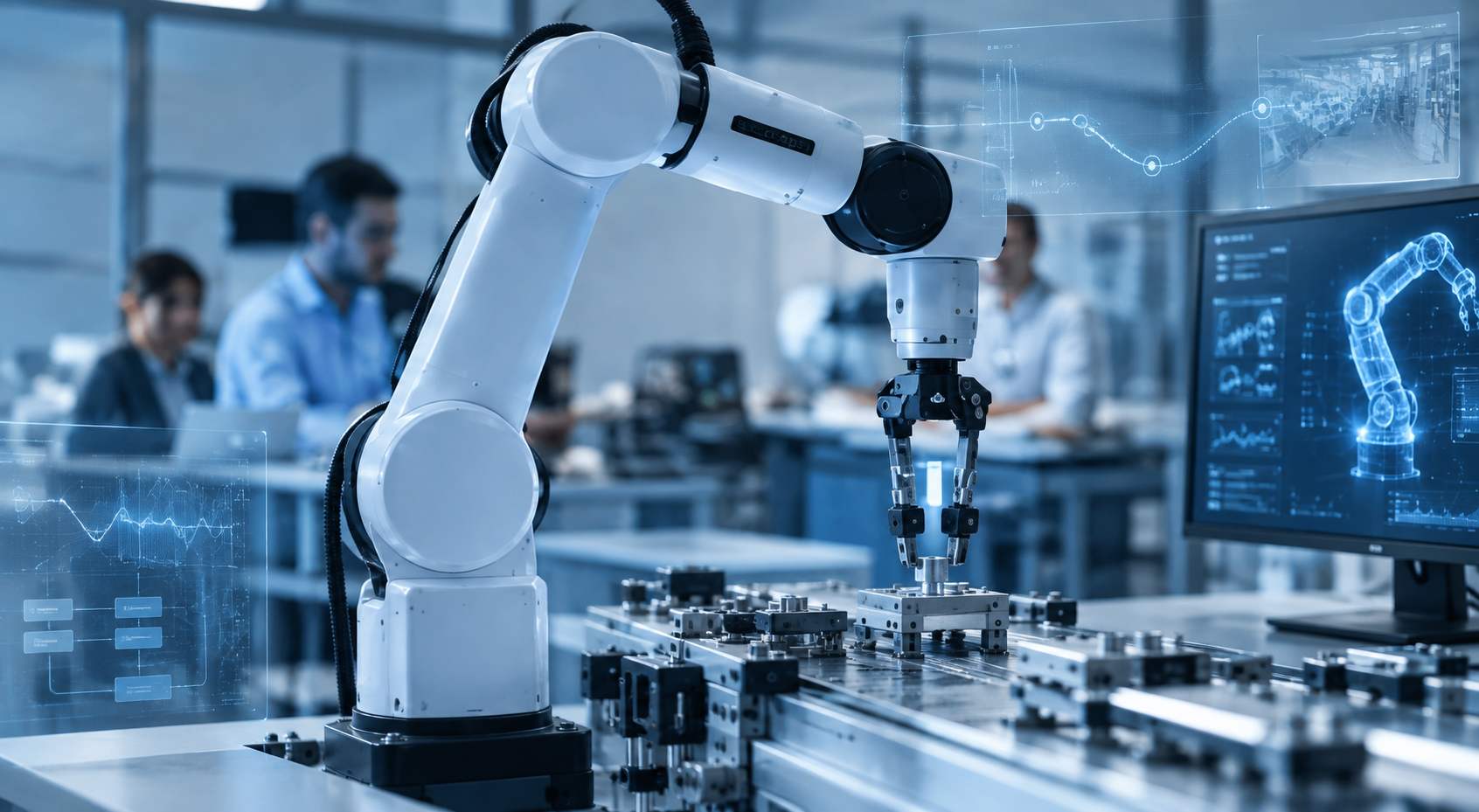
Die nächste Generation intelligenter Systeme wird nicht nur Fragen beantworten, sondern planen, entscheiden und handeln – zunehmend auch in der physischen Welt. Das L3S erforscht autonome Agenten und Embodied AI und untersucht, wie solche Systeme sicher, transparent und verantwortungsvoll mit ihrer Umgebung interagieren können.
Agentic and Embodied AI
Die nächste Generation von KI-Systemen soll nicht nur Inhalte erzeugen oder Fragen beantworten, sondern selbstständig Ziele verfolgen, Schlussfolgerungen ziehen und in ihrer Umgebung handeln können. KI-Agenten verbinden dafür unter anderem Foundation Models und generative KI mit Werkzeugen, Schnittstellen, mehreren kooperierenden Agenten und Verfahren des Reinforcement Learning.
Das eröffnet neue Möglichkeiten – von der Automatisierung wiederkehrender Aufgaben über personalisierte Dienste bis hin zu komplexen Anwendungen in Bereichen wie Gesundheit und Industrie. Gleichzeitig stellen autonome Systeme neue Anforderungen an Sicherheit, Transparenz, Zuverlässigkeit und menschliche Kontrolle.
Mit seiner Forschung zu Robotik, Large Language Models und Foundation Models, Computer Vision, Reinforcement Learning und Predictive Control verfügt das L3S über wichtige Bausteine, um diese Entwicklung mitzugestalten.


KI und Mensch
Die nächste Generation von KI entsteht nicht allein durch immer größere Modelle. Das L3S verbindet maschinelles Lernen mit Wissensgraphen, semantischem Wissen, logischem und kausalem Schlussfolgern sowie menschlicher Expertise.
Hybride KI
Wie können Maschinen nicht nur Muster erkennen, sondern auch Wissen nutzen, Zusammenhänge verstehen und logisch schlussfolgern? Hybride KI verbindet dafür neuronale Verfahren mit symbolischen Ansätzen. Sie verbindet die Stärke des maschinellen Lernens bei der Mustererkennung mit der Fähigkeit, Wissen strukturiert abzubilden und Schlussfolgerungen nachzuvollziehen.
Wissensgraphen können neuronale Modelle mit strukturiertem Wissen versorgen, multimodale Verfahren unterschiedliche Datenarten miteinander verbinden. Solche Ansätze eröffnen neue Möglichkeiten etwa für die personalisierte Medizin, autonome Systeme, Industrie und wissenschaftliche Forschung.
Noch sind viele Fragen offen: Wie lassen sich unterschiedliche KI-Ansätze effizient miteinander verbinden? Wie können hybride Systeme skalieren und gleichzeitig nachvollziehbar bleiben?
Das L3S erforscht diese Grundlagen und entwickelt Verfahren, die lernende und wissensbasierte KI enger zusammenführen.

KI für die Medizin von morgen
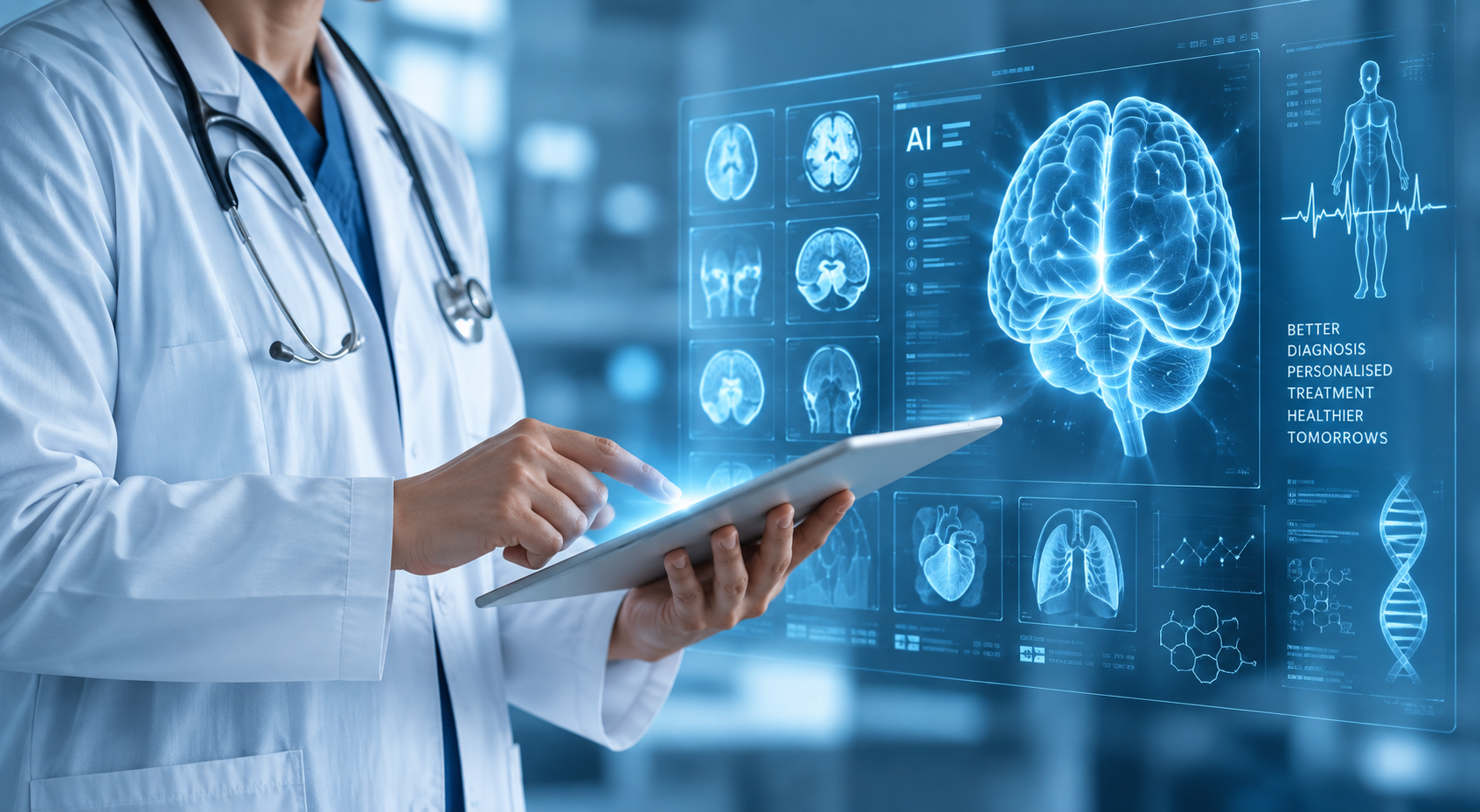
Große KI-Modelle eröffnen neue Möglichkeiten für Diagnostik, Wirkstoffentwicklung und personalisierte Medizin. Das L3S verbindet Foundation Models mit kausalen Methoden, medizinischem Wissen und realen Gesundheitsdaten.
Biologische und medizinische Foundation Models
Große KI-Modelle eröffnen neue Möglichkeiten für die medizinische und biologische Forschung. Sie können Texte und medizinische Bilder analysieren, unterschiedliche Datenquellen miteinander verbinden oder biologische Prozesse auf molekularer Ebene untersuchen. Damit schaffen sie neue Perspektiven für Diagnostik, Wirkstoffentwicklung, personalisierte Medizin und die Erforschung biologischer Systeme.
Ihr Einsatz bringt allerdings auch große Herausforderungen mit sich: Der Zugang zu geeigneten Daten, hoher Rechenaufwand, Nachvollziehbarkeit, Datenschutz, ethische Fragen und regulatorische Anforderungen müssen berücksichtigt werden. Zudem müssen neue Modelle in bestehende medizinische Prozesse integriert und ihre Ergebnisse zuverlässig bewertet werden.
Das L3S erforscht, wie Foundation Models dazu beitragen können, medizinische Daten besser zu erschließen, Diagnosen präziser zu machen, klinische Entscheidungen zu unterstützen und neue Erkenntnisse für die biomedizinische Forschung zu gewinnen.

Mehr KI – mit weniger Energie
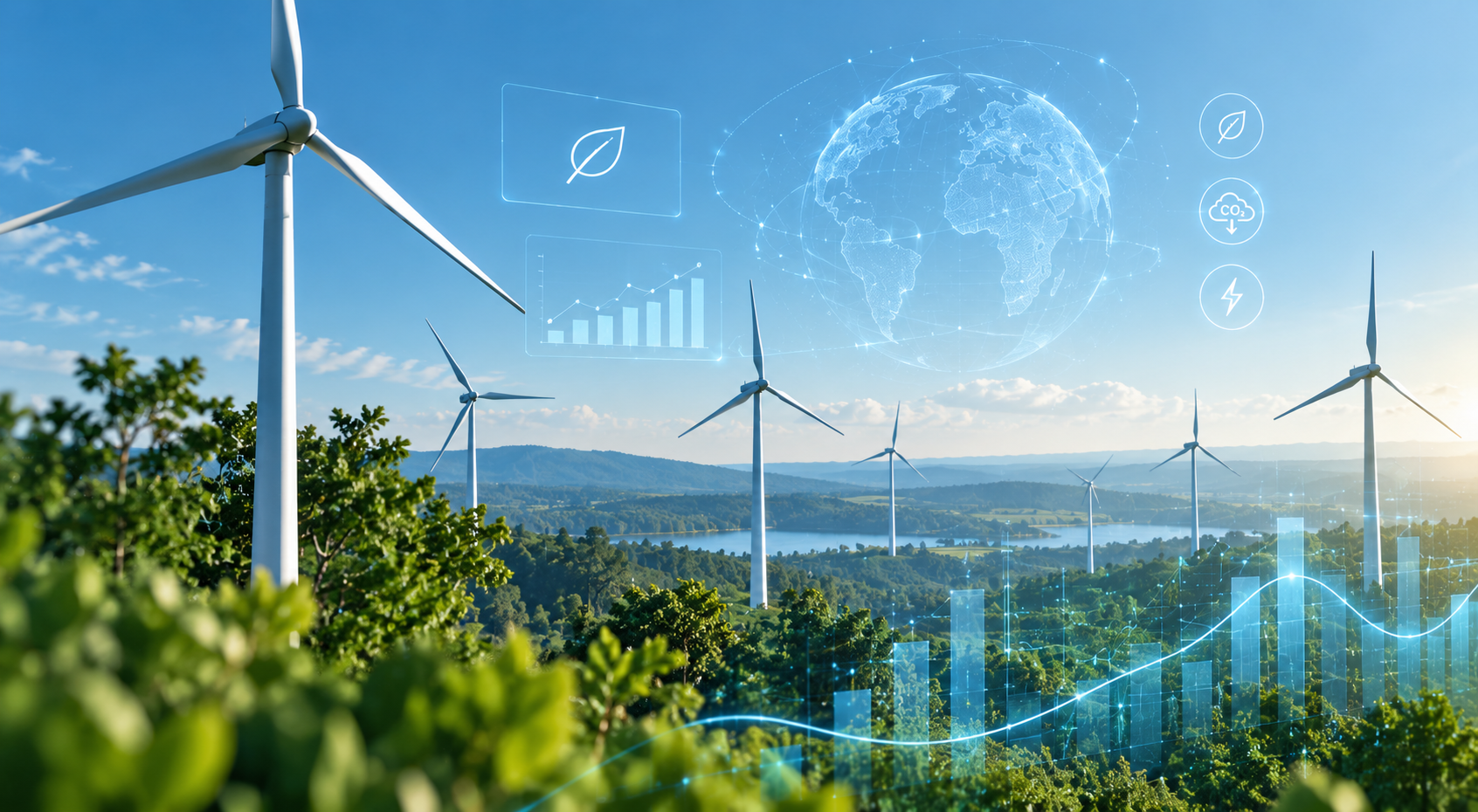
KI wird leistungsfähiger, aber auch rechen- und energieintensiver. Das L3S erforscht neue Verfahren und Hardwarekonzepte, um KI effizienter und nachhaltiger zu machen – etwa für autonome Systeme und Industrie 4.0.
Energieeffiziente KI
Der steigende Energiebedarf moderner KI-Systeme wird zu einer zentralen Herausforderung. Nicht nur das Training großer Modelle, sondern auch ihre alltägliche Nutzung benötigt erhebliche Rechenleistung. Energieeffiziente KI setzt deshalb bereits bei den Lernverfahren und Daten an und reicht bis zur Entwicklung neuer Hardware.
Das L3S untersucht unter anderem, wie sich neuronale Netze durch Pruning und Knowledge Distillation effizienter machen lassen und wie eine gezielte Auswahl von Trainingsdaten den Ressourcenverbrauch reduzieren kann. Darüber hinaus eröffnen neue Hardwarekonzepte weitere Möglichkeiten – etwa photonische Chips, FPGAs, neuromorphe Systeme oder Quantencomputer für bestimmte Aufgaben.
Energieeffiziente KI wird für viele Anwendungen entscheidend sein – von Industrie 4.0 und autonomem Fahren über die Medizin bis hin zu KI-Anwendungen auf mobilen Geräten.


KI als Partner der Wissenschaft
KI soll wissenschaftliche Erkenntnisse beschleunigen und neue Entdeckungen ermöglichen. Das L3S erforscht KI-Systeme, die große Datenmengen erschließen, Zusammenhänge erkennen, Hypothesen unterstützen und wissenschaftliches Wissen zugänglicher machen.
KI für die Wissenschaft
KI kann mehr sein als ein Werkzeug für die wissenschaftliche Forschung: Sie kann zu einem Partner im Prozess wissenschaftlicher Entdeckung werden. Das L3S verfolgt dabei einen menschenzentrierten Ansatz. KI soll Forscher nicht ersetzen, sondern ihre Fähigkeiten erweitern und ihnen neue Möglichkeiten eröffnen.
Dazu gehört, riesige und heterogene Datenmengen aus Simulationen, Experimenten, wissenschaftlicher Literatur und Beobachtungen gemeinsam auszuwerten, verborgene Zusammenhänge zu erkennen und neue Hypothesen zu entwickeln. Perspektivisch können KI-Systeme auch Experimente planen und teilweise selbstständig durchführen und so den Kreislauf aus Beobachtung, Hypothese, Experiment und Erkenntnis beschleunigen.
Voraussetzung dafür sind Systeme, deren Schlussfolgerungen nachvollziehbar sind und deren Ergebnisse Wissenschaftler kritisch prüfen können. Das L3S erforscht dafür unter anderem kausales Schließen und kausales Repräsentationslernen, Bayesian Deep Learning, Bayesian Optimisation, Unsicherheitsquantifizierung, wissenschaftliche Wissensgraphen und hybride Verfahren, die Fachwissen mit datengetriebenem Lernen verbinden Das Ziel ist nicht, Wissenschaft zu automatisieren.
Die nächsten 25 Jahre
Die genannten Forschungsfelder zeigen, wohin sich die KI-Forschung des L3S entwickeln kann. Sie verbinden technologische Grundlagenforschung mit konkreten Anwendungen und gesellschaftlichen Fragen. Dabei bleibt eines unverändert: Neugier, wissenschaftliche Exzellenz und der Anspruch, neue Technologien verantwortungsvoll zu gestalten.
So will das L3S auch in Zukunft dazu beitragen, die Grundlagen für leistungsfähige, vertrauenswürdige und nachhaltige KI zu schaffen – und digitale Technologien zu entwickeln, die Wissenschaft, Wirtschaft und Gesellschaft voranbringen.