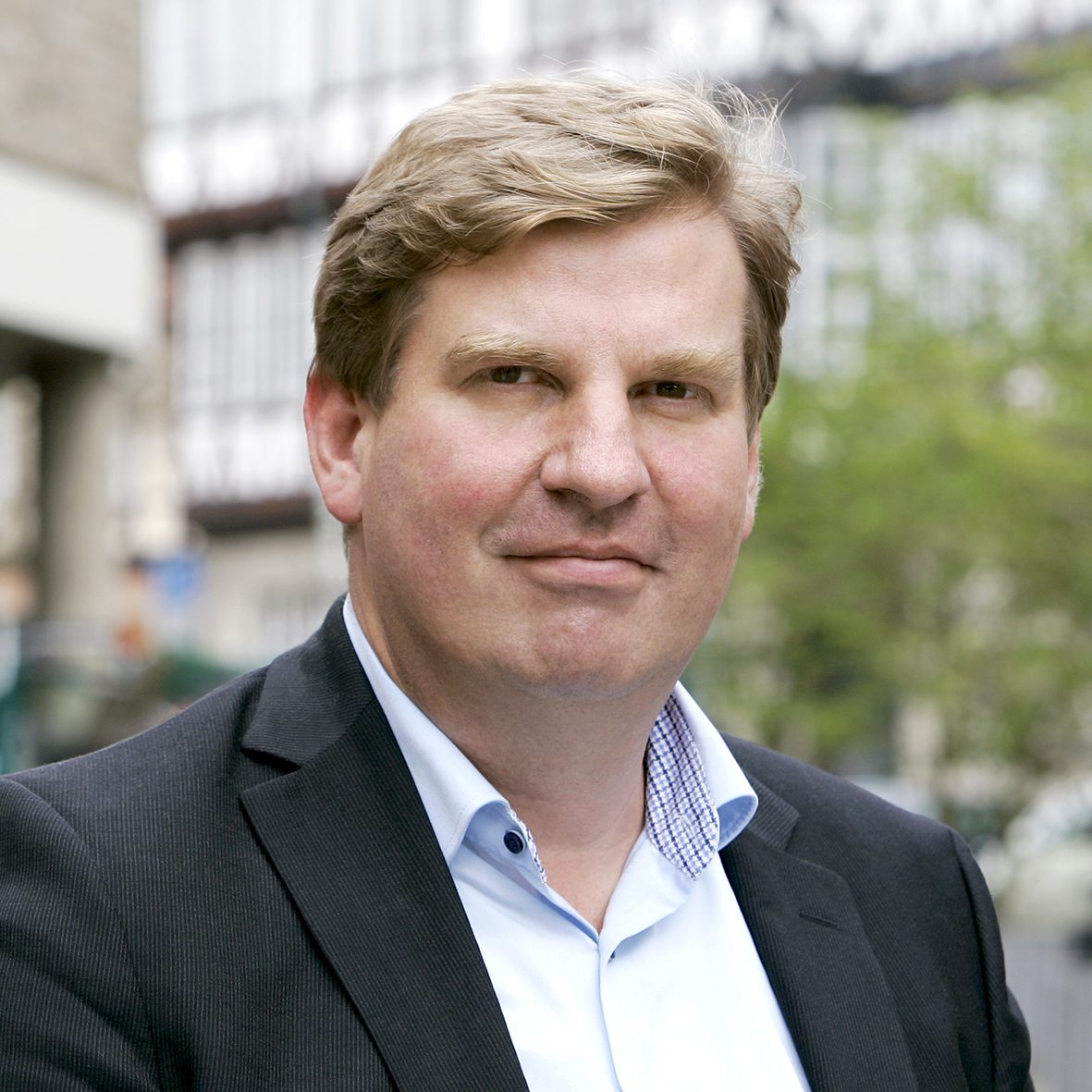
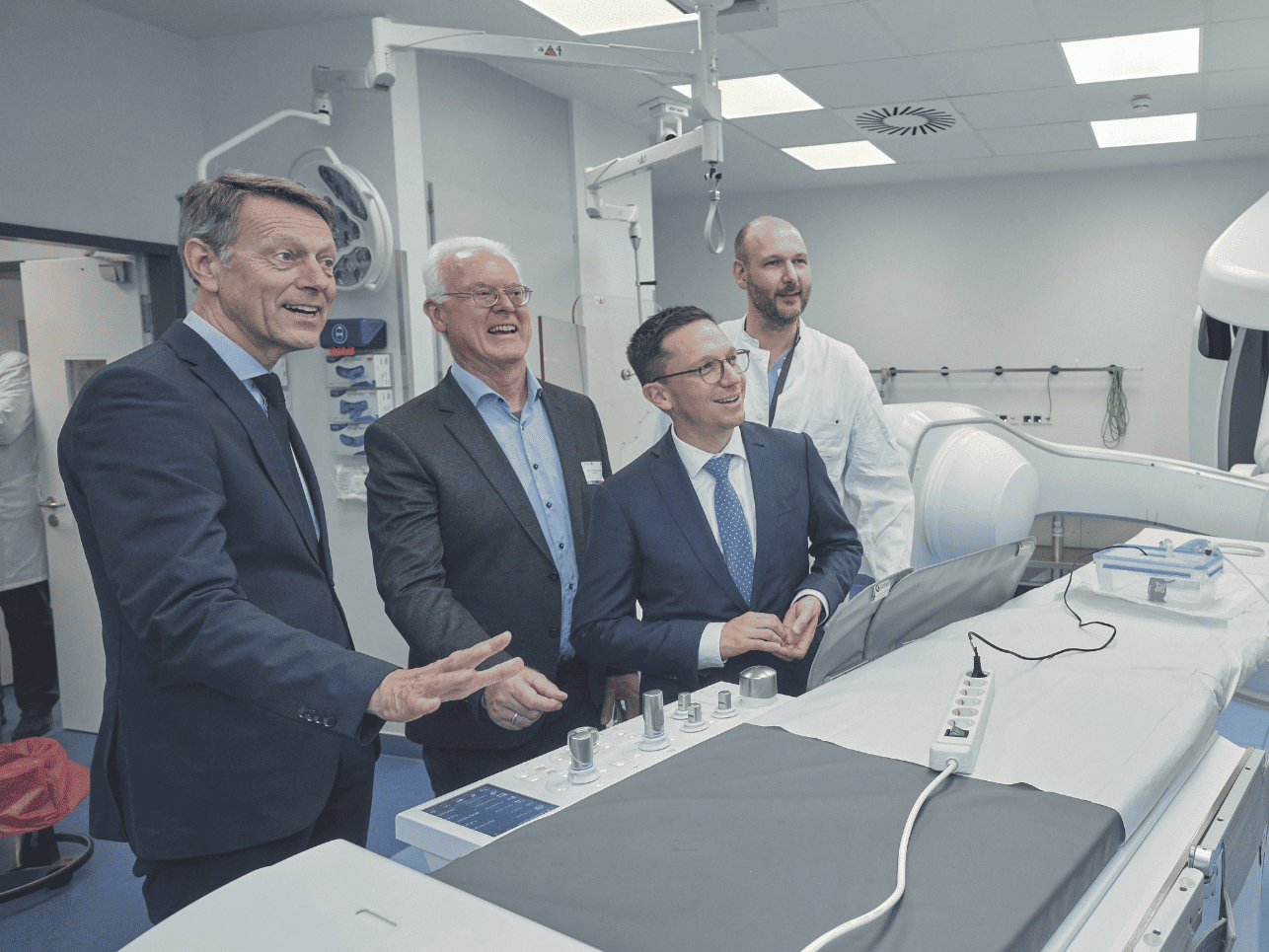
“The goal cannot be for the machine to always be right. Rather, the goal is to understand why it believes it is right.”

Falko Mohrs
Lower Saxony’s Minister for Science and Culture
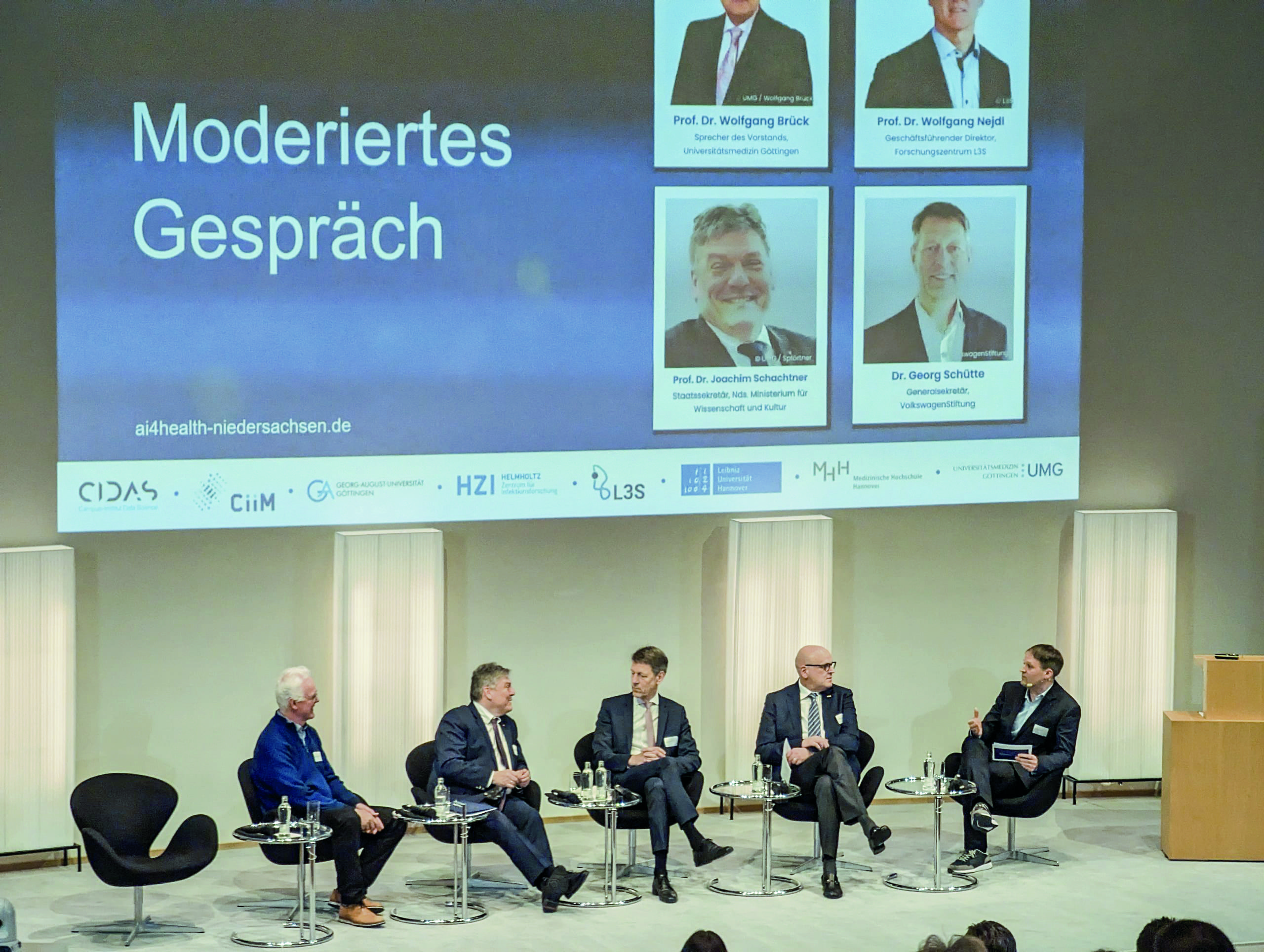
“Responsibility must never be delegated to a machine. Regardless of technological advances, it ultimately remains with us as human beings.”

Dr. Georg Schütte
Head of Volkswagen Foundation
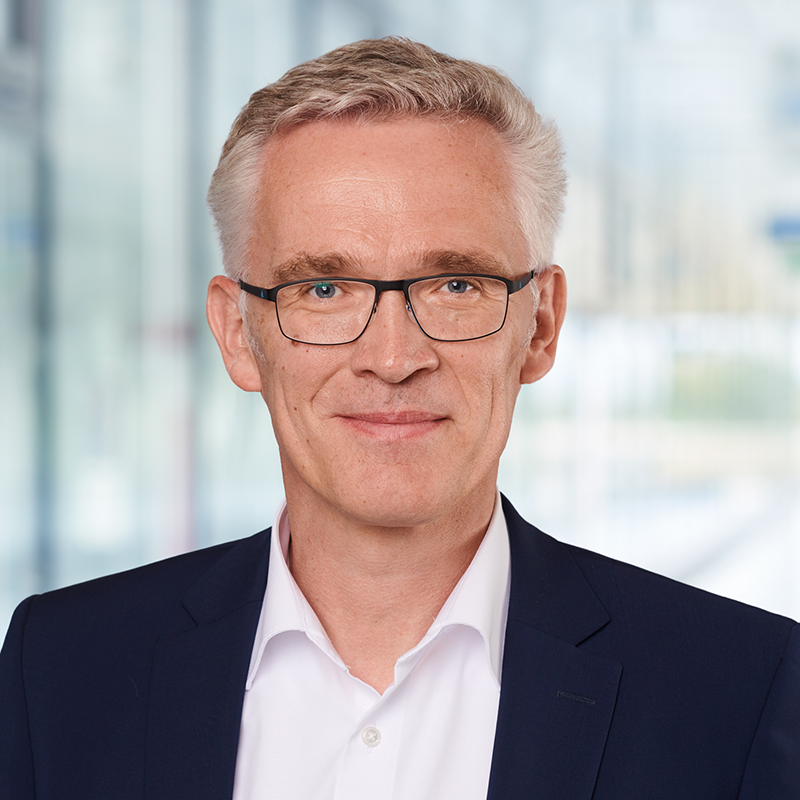
“L3S is an outstanding example of research that consistently combines methodological foundations, technological innovation and social responsibility.”

Prof. Dr. Volker Epping
President, Leibniz University Hannover
25 Years of Research in Transition
From digital learning and the web to data science and artificial intelligence: over the past 25 years, L3S has continually responded to new technological developments. Research fields have evolved, new ones have emerged, and earlier ideas have paved the way for later advances.

2001 – 2004
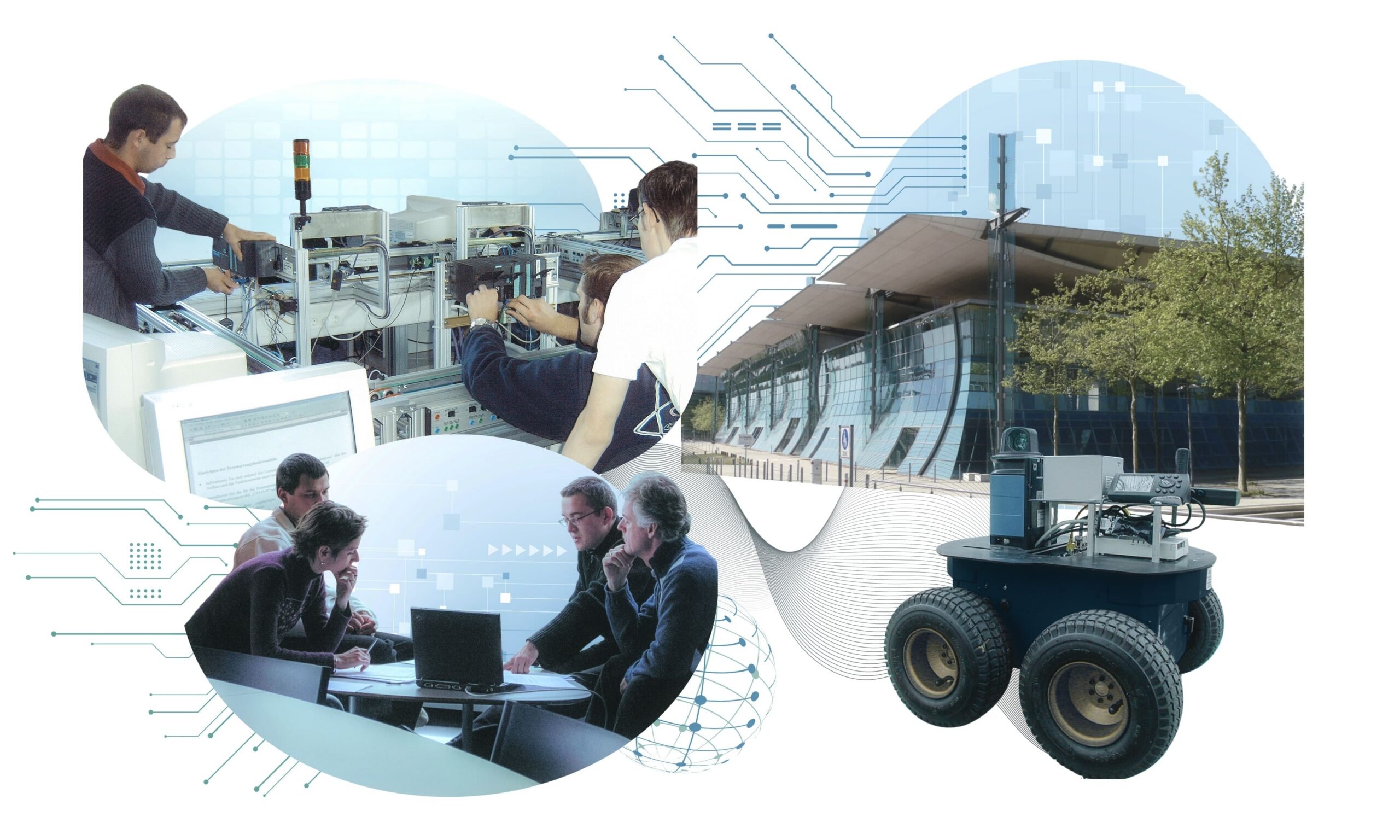
A Lab for the Future of Learning
L3S starts with a vision: digital technologies should transform learning and make knowledge more accessible.
It starts with a simple but far-reaching question:
How can digital technologies transform learning?
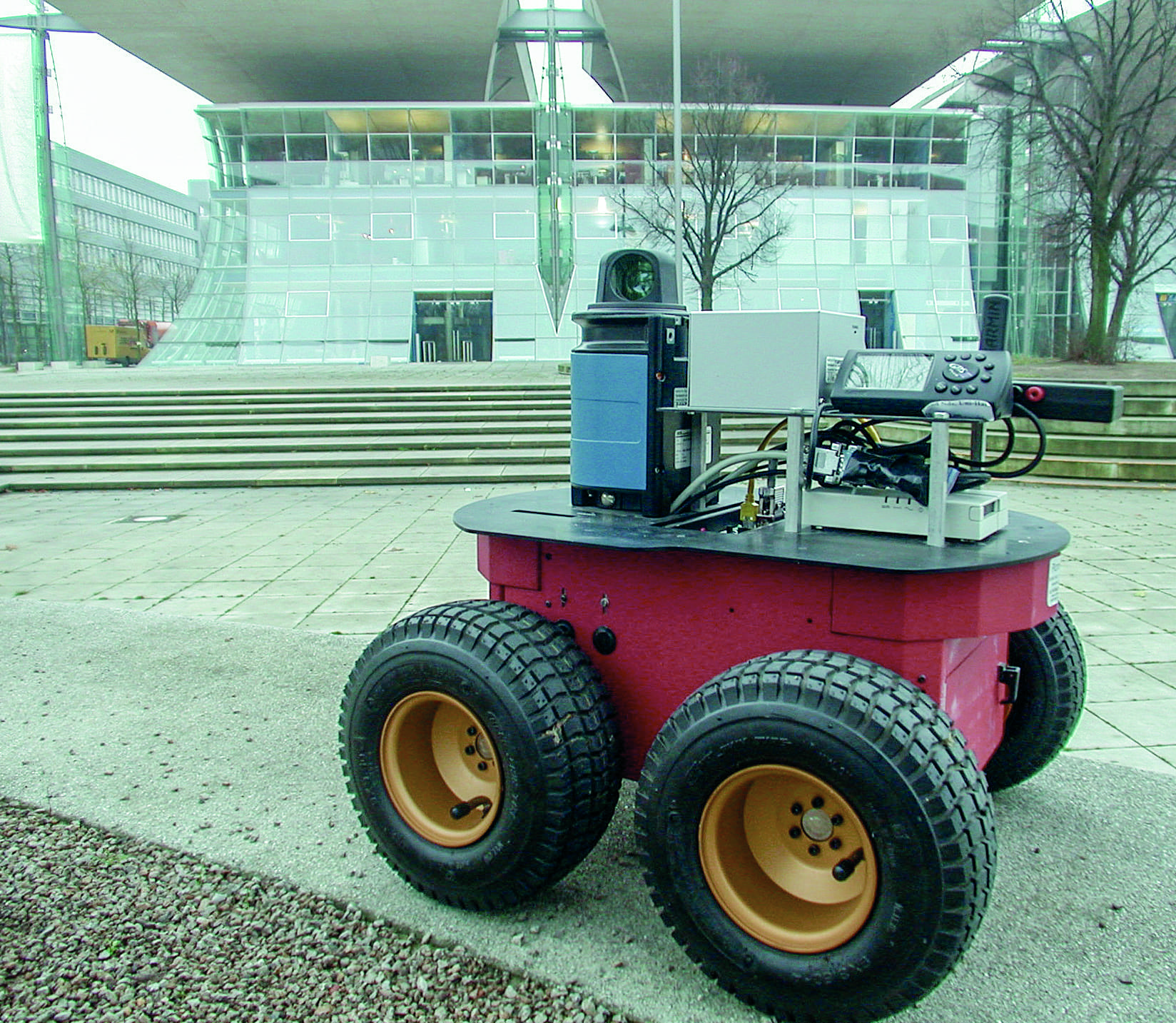
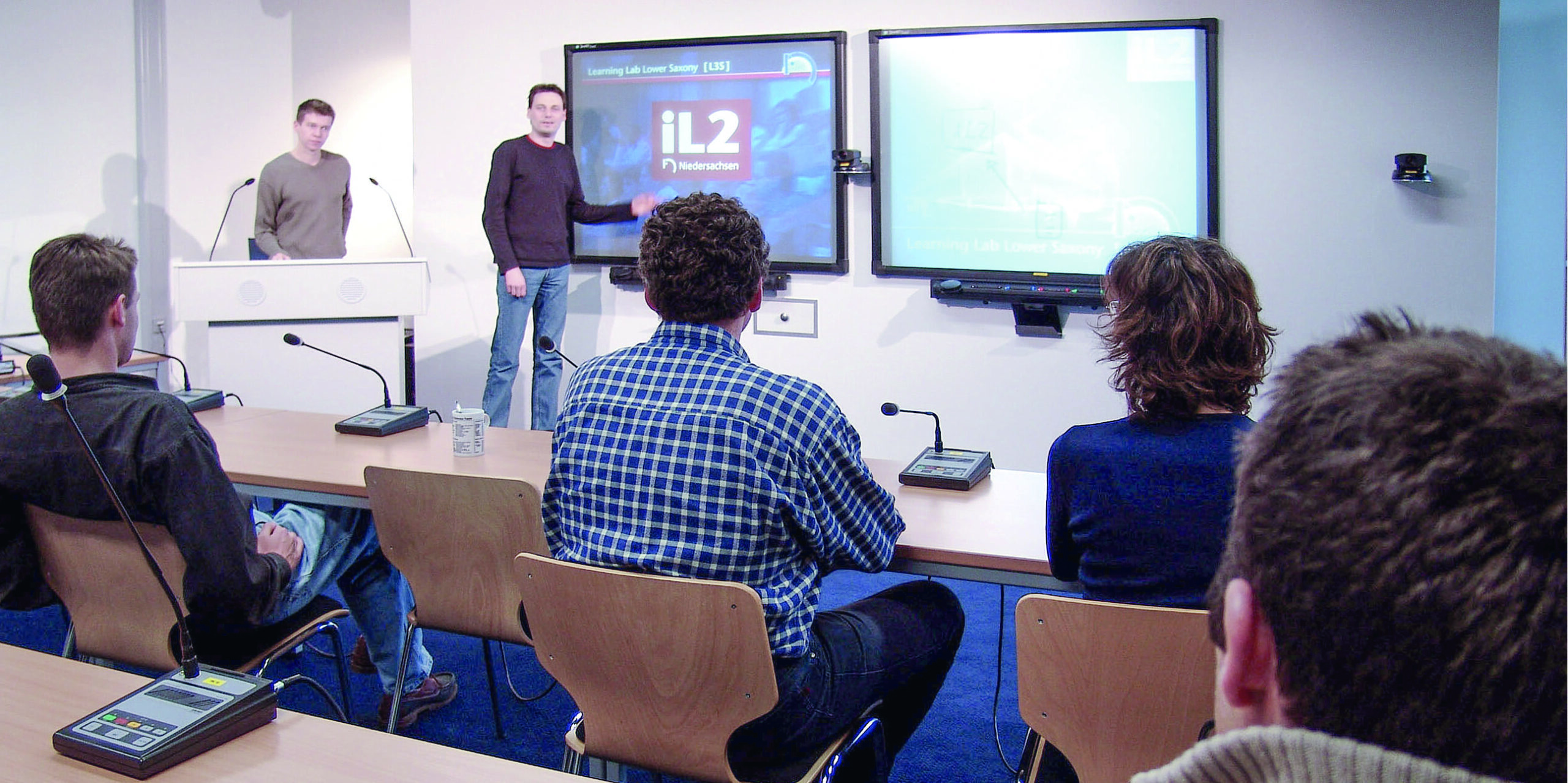
The L3S begins its work in 2001 as the Learning Lab Lower Saxony, researching digital learning technologies. Its research focuses on new forms of technology-enhanced learning and teaching, collaborative learning environments, and ways of tailoring content to individual learners. To support this work, the L3S provides an excellent research and collaboration infrastructure. From the outset, the L3S has an international outlook, working with renowned partners such as Stanford University and KTH Royal Institute of Technology in Stockholm.
Learning requires new ways of communicating, accessing knowledge and collaborating. This is why the L3S soon broadens its research to include internet technologies, the Semantic Web and digital libraries, as well as mobile and distributed systems. It combines fundamental research and technological development with practical applications. At the same time, its international profile grows through European research networks and partnerships with organisations from academia, industry and education.
What remains?
Designing digital technologies to support people in learning and working remains one of the L3S’s core areas of research to this day.


2004 – 2009
Understanding and Shaping the Web
As the internet grows rapidly, a new question takes centre stage: how can knowledge be organised, found and made useful in the long term?
The internet is growing rapidly – and so is the amount of information it contains. A new question comes to the fore: How can people find exactly what they are looking for in this growing body of knowledge?
Conventional search engines are increasingly reaching their limits. The L3S therefore explores methods that go beyond recognising words to take into account the context and meaning of information. The vision of the Semantic Web emerges: content should be described in ways that machines can understand, linked to other content and, as a result, made easier to find.
At the same time, the L3S develops new approaches to personalised and adaptive information systems. Search results should be more closely tailored to users’ interests and needs.
The research extends beyond web content. The L3S investigates distributed information infrastructures, networks and security, as well as how different data sources can be intelligently connected.
What remains?
The idea that information should not merely be collected, but structured, linked and made understandable in its context, becomes an important foundation for later research into knowledge graphs and AI.

2009 – 2014
From the Semantic Web to Web Science
The web becomes an object of scientific research – and L3S becomes an international player in Web Science.
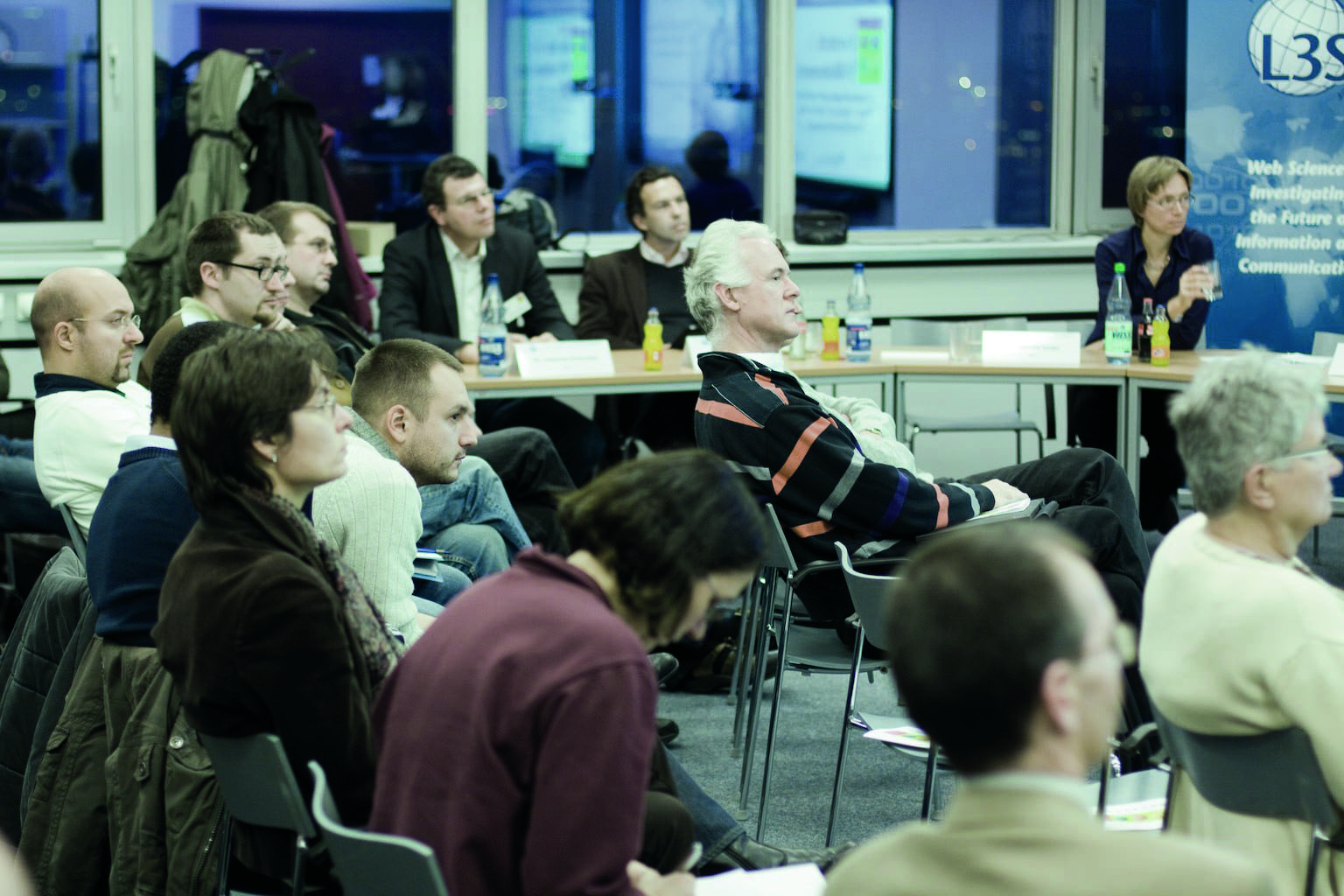
The Web is no longer simply a channel for information. People communicate, work and conduct research on it. The Web itself thus becomes an object of research.
With Web Science, the L3S turns its attention to the interplay between technology and people. Research addresses communication and networking, personalisation and information retrieval, as well as the social, economic and legal dimensions of the digital world. The Web is developing into a global space for knowledge, where users not only consume information but also create and share content themselves.
Research is becoming increasingly interdisciplinary. Computer science meets the social sciences, economics and law. Questions of data protection, security and the responsible use of data are gaining importance – for example, in the Europe-wide linking of medical data.
At the same time, the L3S begins to explore the potential of large and complex datasets for new applications. In medicine, early data-driven approaches emerge that will later become an important part of AI research.
What remains?
The insight that digital technologies are never merely technical systems. They operate within social contexts and therefore need to be researched and shaped through interdisciplinary approaches.




2014 – 2018
From Web Data to Data-Driven Decisions
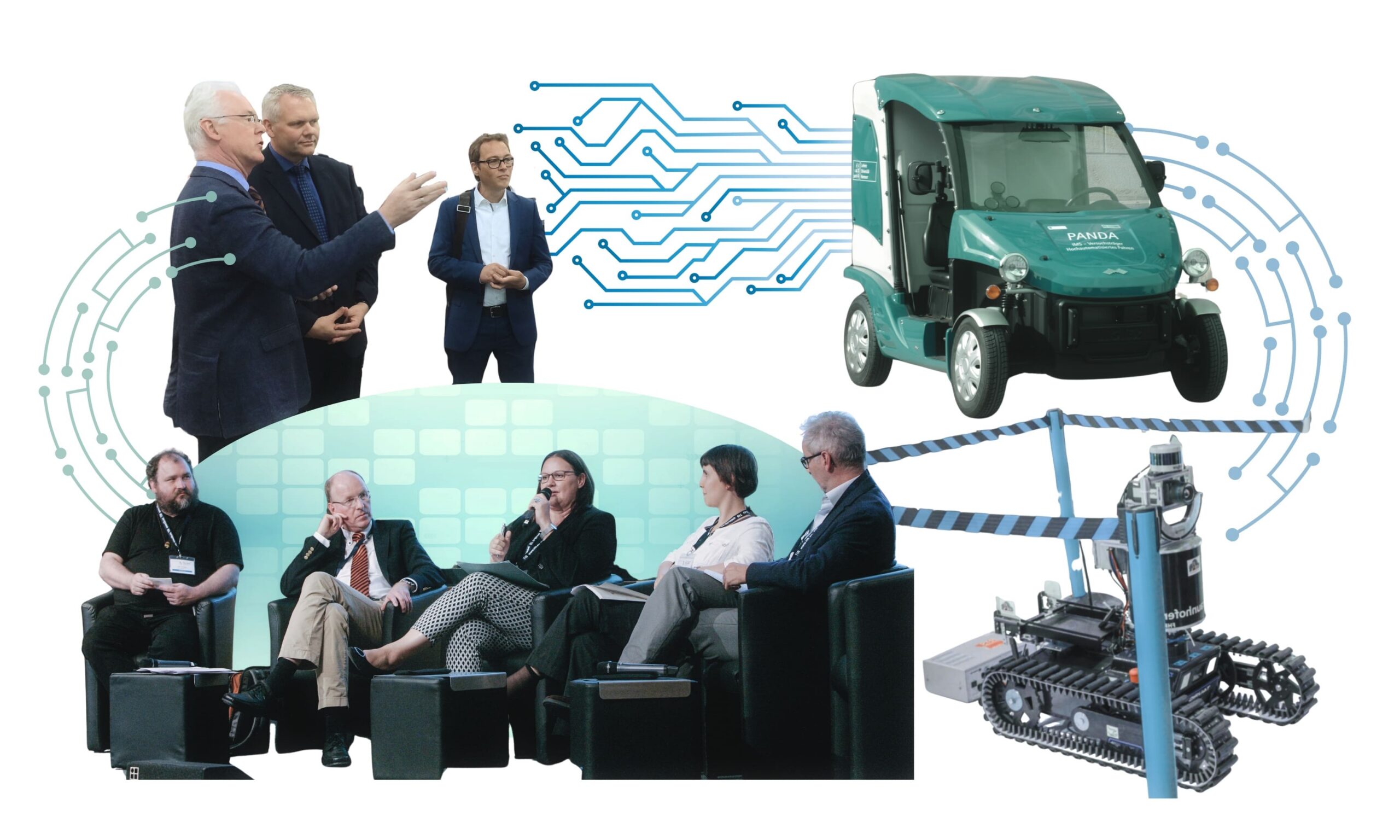
With big data and machine learning, analysing vast amounts of data becomes increasingly important. L3S develops new methods and applications for medicine, mobility and society.
More and more data is being generated and collected. The challenge is changing: it is no longer enough simply to access information. The real challenge is to turn data into new knowledge.
Data science, machine learning and data-intensive applications are becoming increasingly important at the L3S. Large and diverse datasets are analysed, combined and used to gain new insights.
Medicine, mobility, industrial production and society are emerging as key areas of data-driven research. At the same time, data protection, security and social responsibility remain integral to this work.
What remains?
Years of research into the Web, semantics and data management lay the foundations for a new generation of data-driven and learning systems.



2018 – 2023
AI Moves into Application
Artificial intelligence becomes a connecting element across many research fields – from industrial production and mobility to medicine.
Artificial intelligence is evolving from a research field into a key technology. At the L3S, researchers from different disciplines are exploring how AI can be applied to real-world challenges.
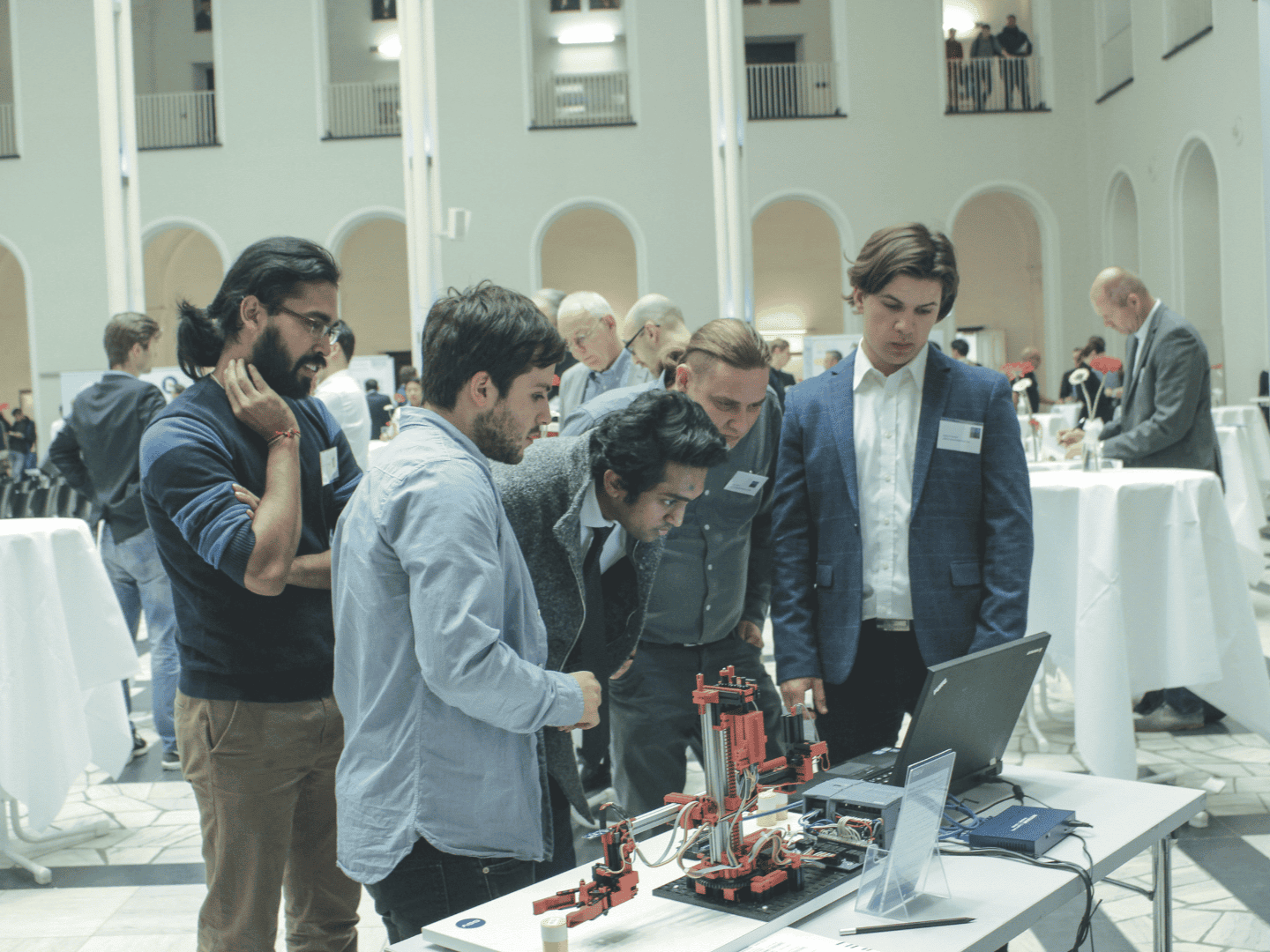
Machine learning and deep learning are opening up new possibilities in medicine, mobility and industrial production. AI systems can interpret images and sensor data, identify patterns, make predictions and support people in complex decision-making.
At the same time, AI itself is becoming the subject of critical research. How can bias and discrimination be detected? How can AI systems be made transparent and fair? And how can their performance be combined with reliability and social responsibility?
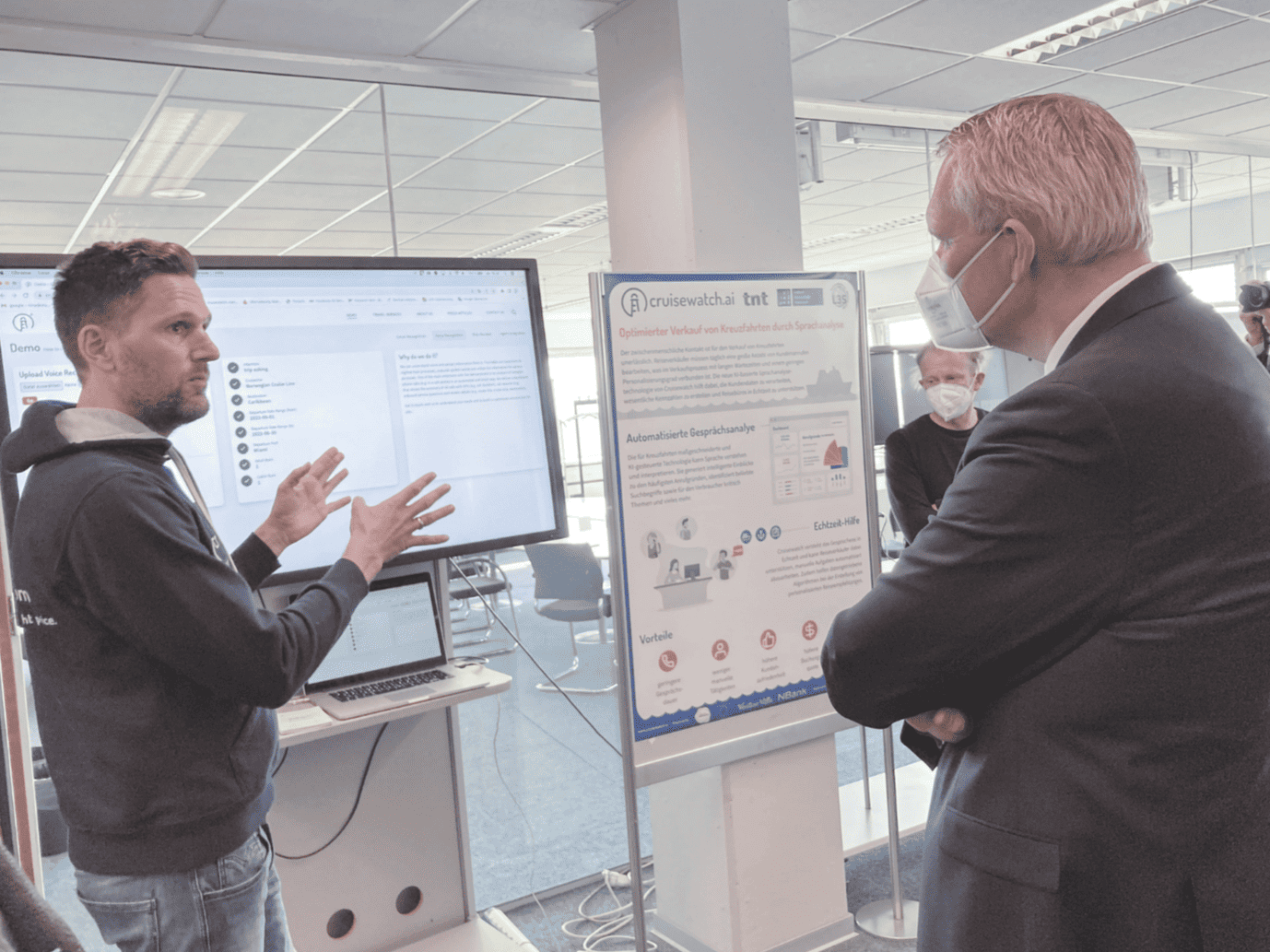
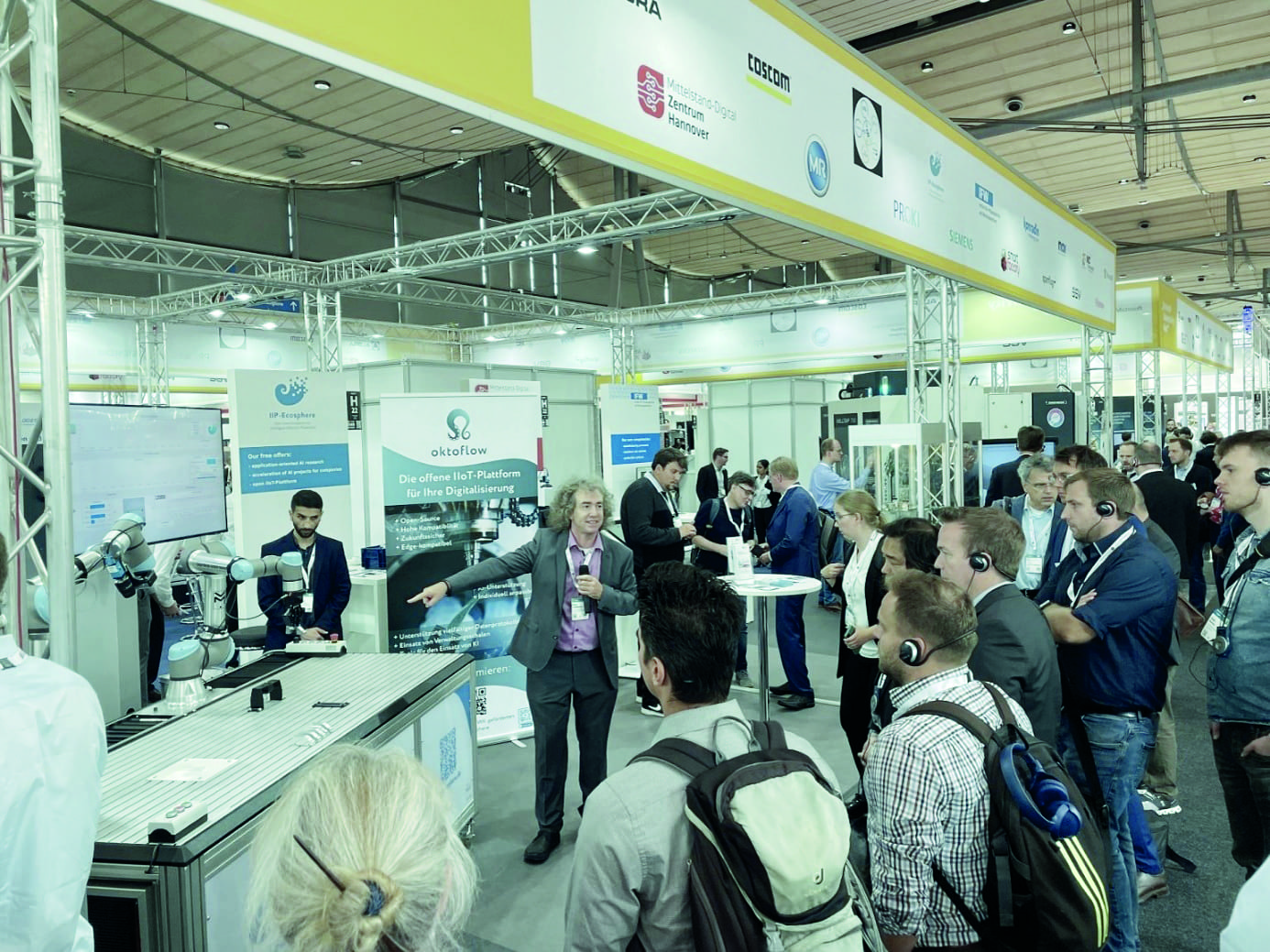
During this period, the L3S works with partners from academia and industry to develop an AI ecosystem for industrial production (IIP-Ecosphere). As a partner in the new Centre for Digital Innovations Lower Saxony, the L3S becomes an important contributor to digitalisation research in the state. With the International Leibniz Future Laboratory for Artificial Intelligence, the L3S expands its international AI research in personalised medicine. At the same time, its technical infrastructure grows: high-performance computers make it possible to process ever larger volumes of data and train increasingly complex models.
Energy-efficient AI is also becoming increasingly important. In applications such as autonomous driving, AI systems need to process vast amounts of sensor data in real time while remaining reliable and energy-efficient.
What remains?
At the L3S, AI is not understood as an isolated technology, but as a combination of data, knowledge, people and real-world applications that address societal challenges.


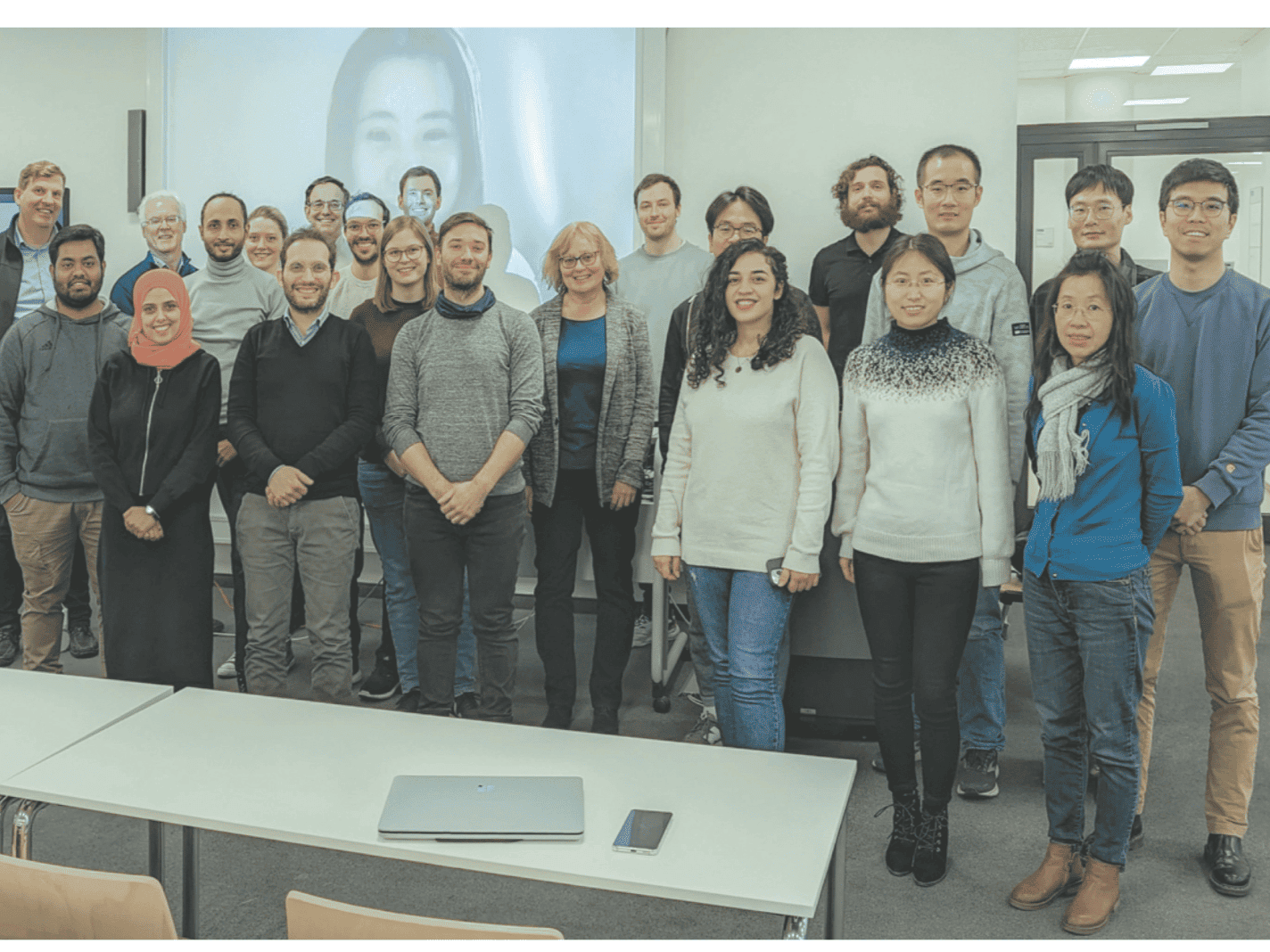
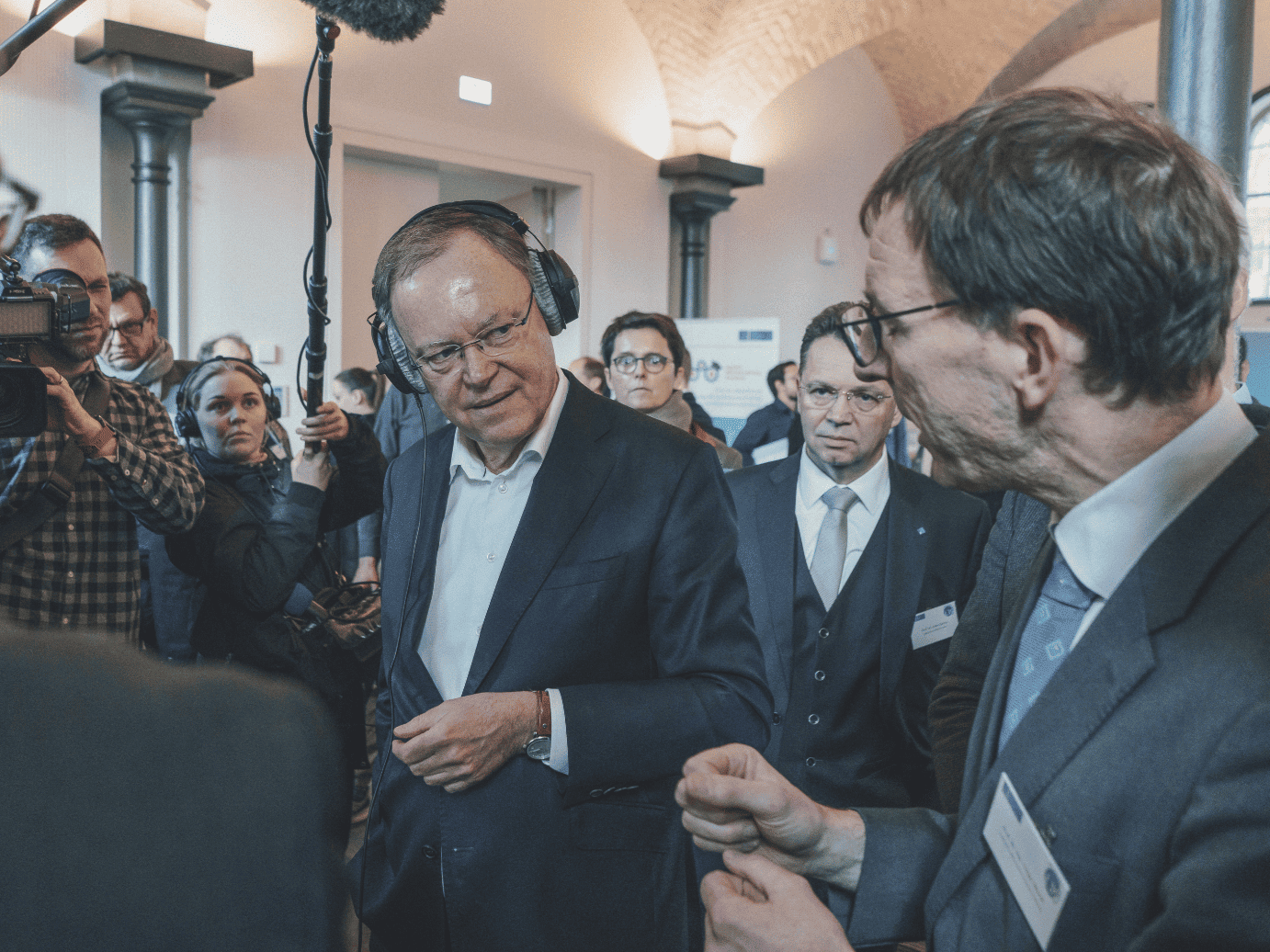
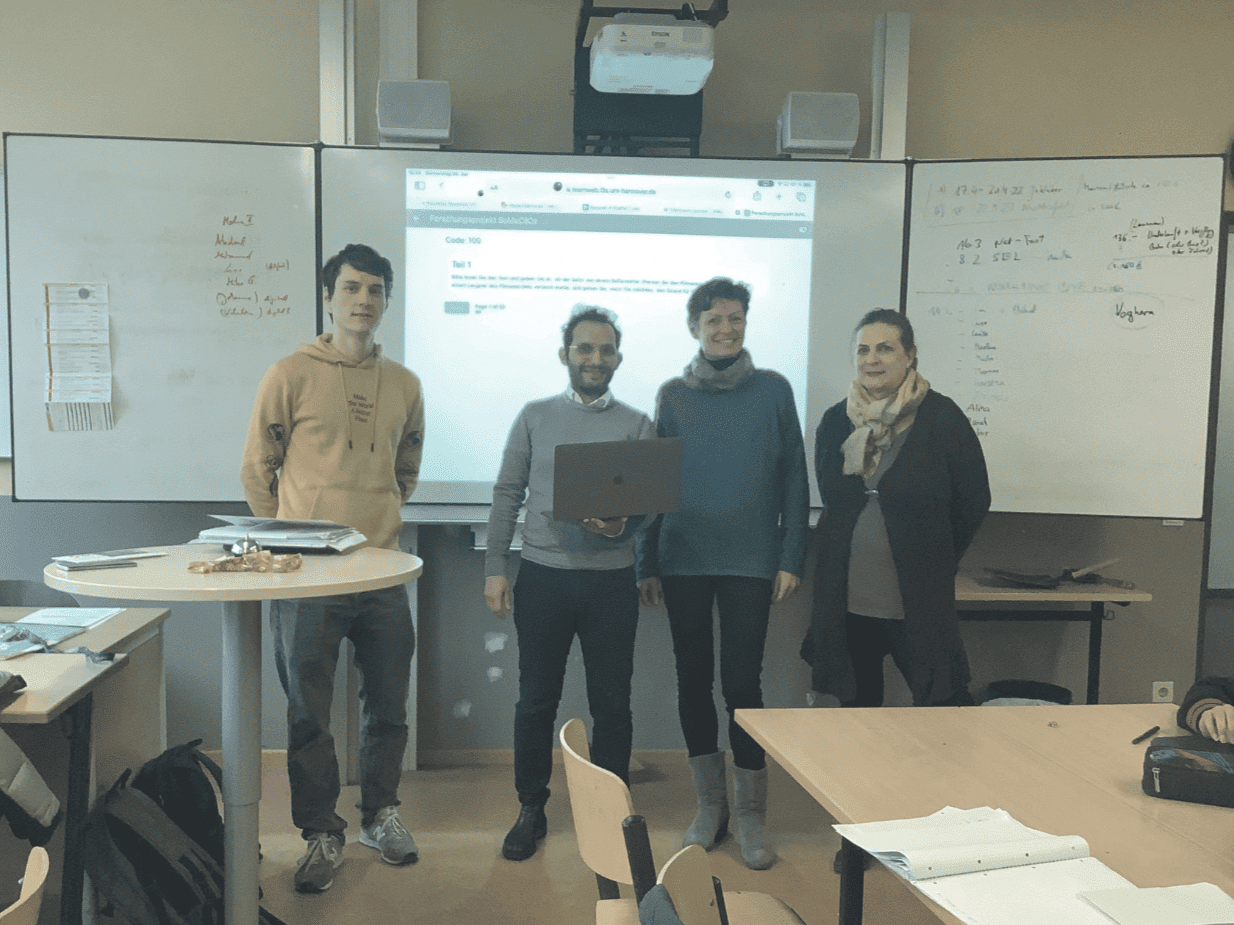
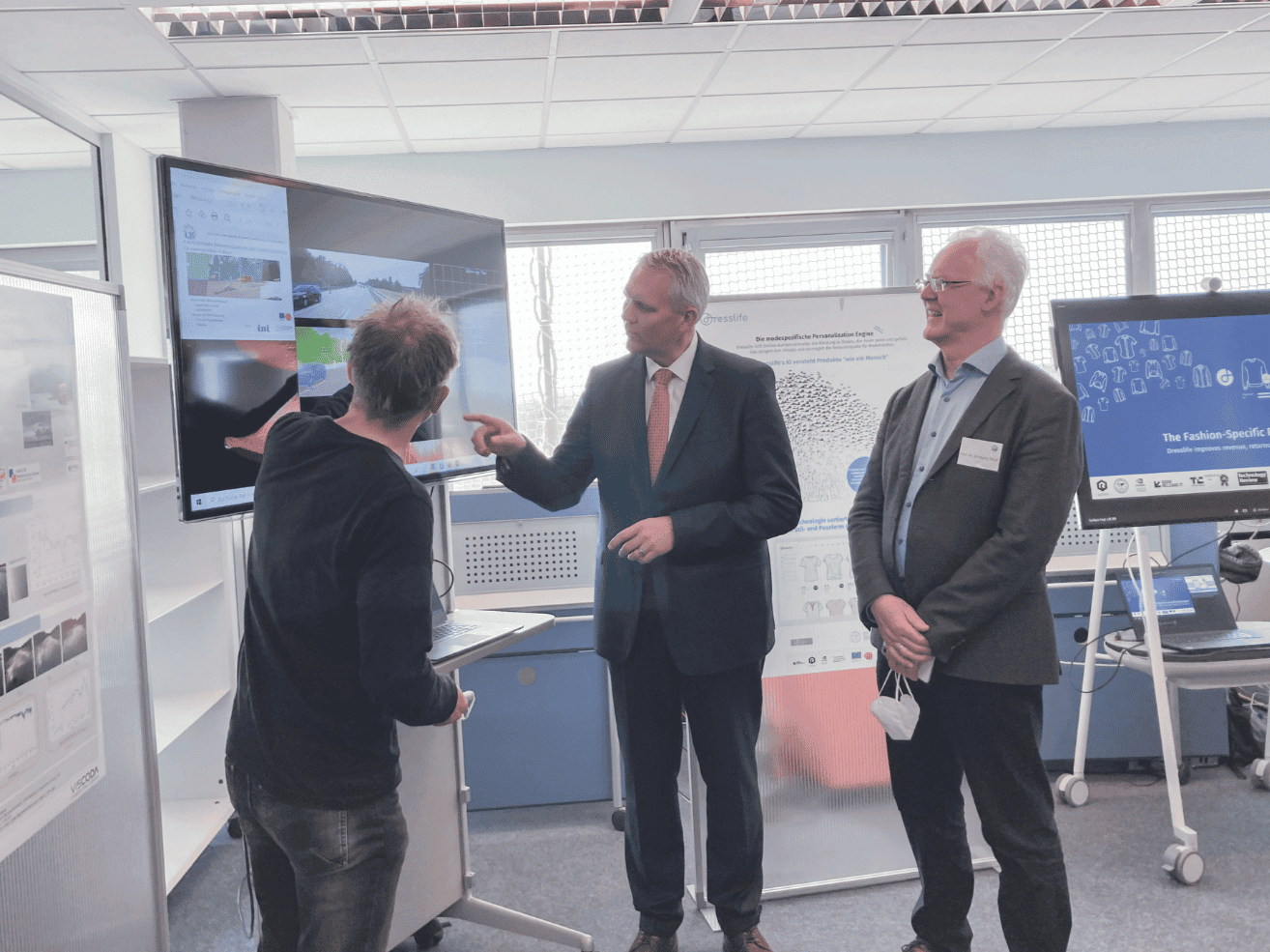
2023 – 2026
The Next Generation of Trustworthy AI
AI is fundamentally changing science and society. L3S is researching how intelligent systems can be made powerful, transparent, safe and human-centred.
Generative AI and large language models mark the beginning of a new phase. Machines can no longer just analyse data: they can understand language, draw on knowledge and support people with complex tasks.
The L3S is exploring how these systems can become both powerful and trustworthy. It combines its longstanding expertise in data management, the Semantic Web and knowledge graphs with modern AI methods.
One example is scientific search. ORKG Ask combines large language models with structured scientific knowledge. Researchers can ask questions in natural language and receive answers linked to sources and structured information.
In medicine, AI, knowledge graphs and causal methods are being brought together. In mobility, the focus is on safe and energy-efficient AI systems. And with quantum computing, the L3S is exploring another technology that could open up new possibilities for data-intensive applications in the long term.
At the same time, one question is becoming increasingly important: How can we develop AI that people can trust?
Transparency, fairness, explainability, safety and human oversight are becoming central research questions.
Alongside fundamental research, transferring knowledge, methods and technologies into practice is becoming increasingly important. Through the AI Service Centre KISSKI and the Digital Innovation Hub DAISEC, the L3S supports companies in using modern AI technologies responsibly.
Europe needs powerful AI, open knowledge infrastructures and technological sovereignty. The L3S is actively helping to shape this development and is involved in the development of open European language models.
What remains?
The boundaries between humans and machines are being redefined. AI should not simply take over decision-making, but support people, make knowledge more accessible and accelerate scientific discovery.

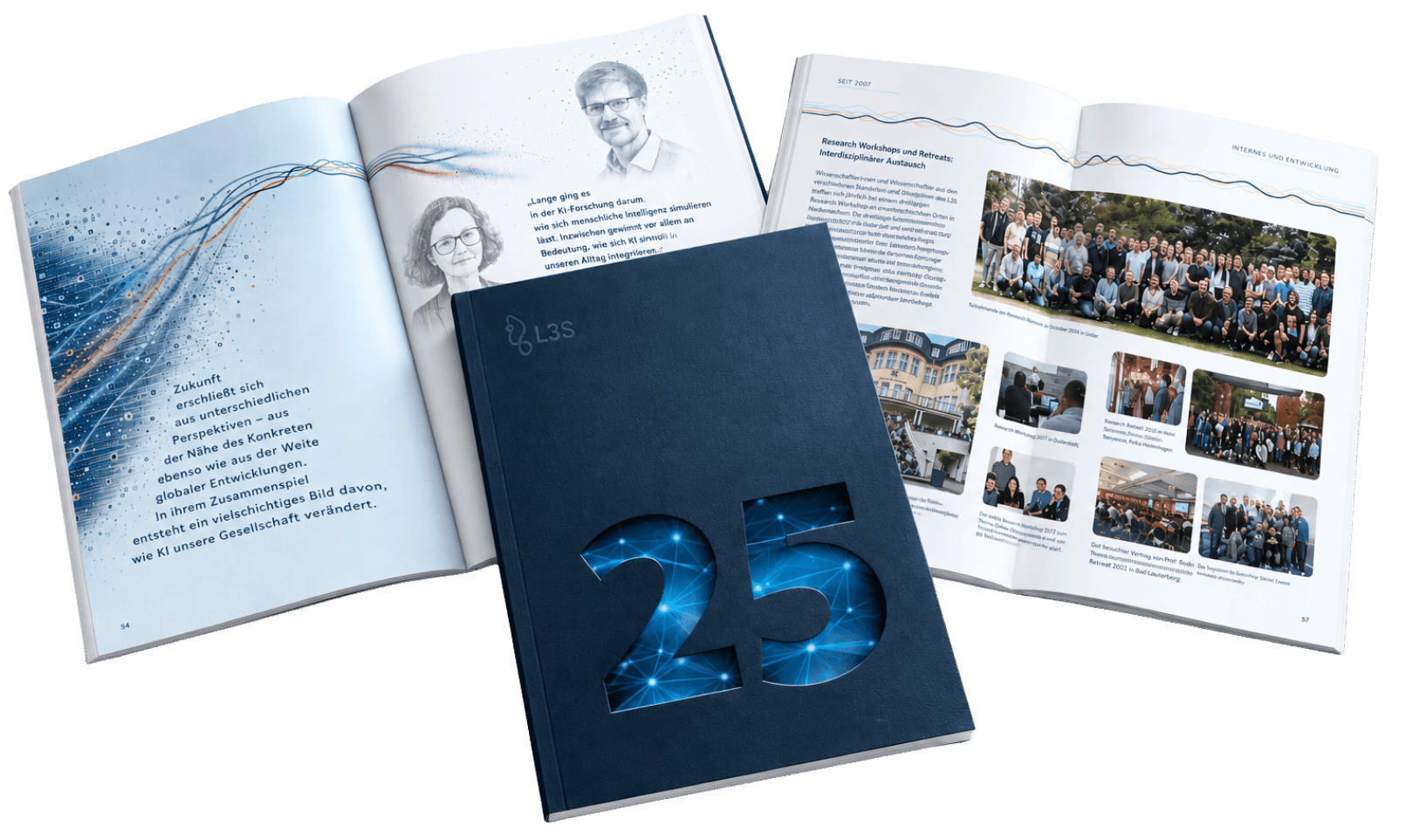
Anniversary edition
25 Years. One Story.
Discover the people, research and ideas that have shaped L3S over the past 25 years.
Online. Anytime. Anywhere.
The future of AI is shared.
What comes next?
AI is developing at remarkable speed. What is new today may already be outdated tomorrow. For L3S, the challenge is not only to develop new technologies, but also to understand their impact and help shape their development responsibly.

“The key question is not the future of artificial intelligence, but our shared future with it.”

Dr. Corina Apachite
Head of AI, AUMOVIO, Member of the L3S Industrial Advisory Board
“AI will shape our future not through computing power alone, but through the trust we place in it.”

Prof. Dr. Margrit Seckelmann
Chair of Public Law and Digital Society Law, Leibniz University Hannover, Member of L3S
Six Research Areas Shaping the Next Generation of AI
The future of AI has many dimensions. L3S combines fundamental research with concrete applications and works across research areas that are particularly important for developing the next generation of intelligent systems.
The focus is not only on what AI can do, but also on how it works with people and what responsibilities come with developing it.


AI We Can Trust
AI should not only be powerful, but also understandable, fair, safe and transparent. L3S researches transparent and robust systems that support human responsibility and take societal values into account.
Trustworthy AI
AI systems are increasingly influencing decisions and processes in everyday life, science, industry and public administration. Their growing importance makes it essential that they are reliable, transparent and aligned with societal values.
Trustworthy AI is therefore a central principle of L3S research. This includes developing systems that are fair, robust and secure, protect privacy and respect fundamental rights. The European AI Act is also creating a new regulatory framework for the development and use of AI, making questions of accountability and transparency increasingly important.
L3S investigates how these principles can be embedded in AI systems from the outset. Research combines approaches such as explainable AI, bias detection and mitigation, adversarial security and fairness-aware federated learning. Hybrid approaches are another important building block: combining large language models with knowledge graphs and other sources of structured knowledge can make AI systems more reliable and better grounded in verifiable information.
The aim is not only to make AI more powerful, but to make it more dependable and understandable – and to ensure that people remain able to assess and control how AI is used.

When AI Acts Autonomously
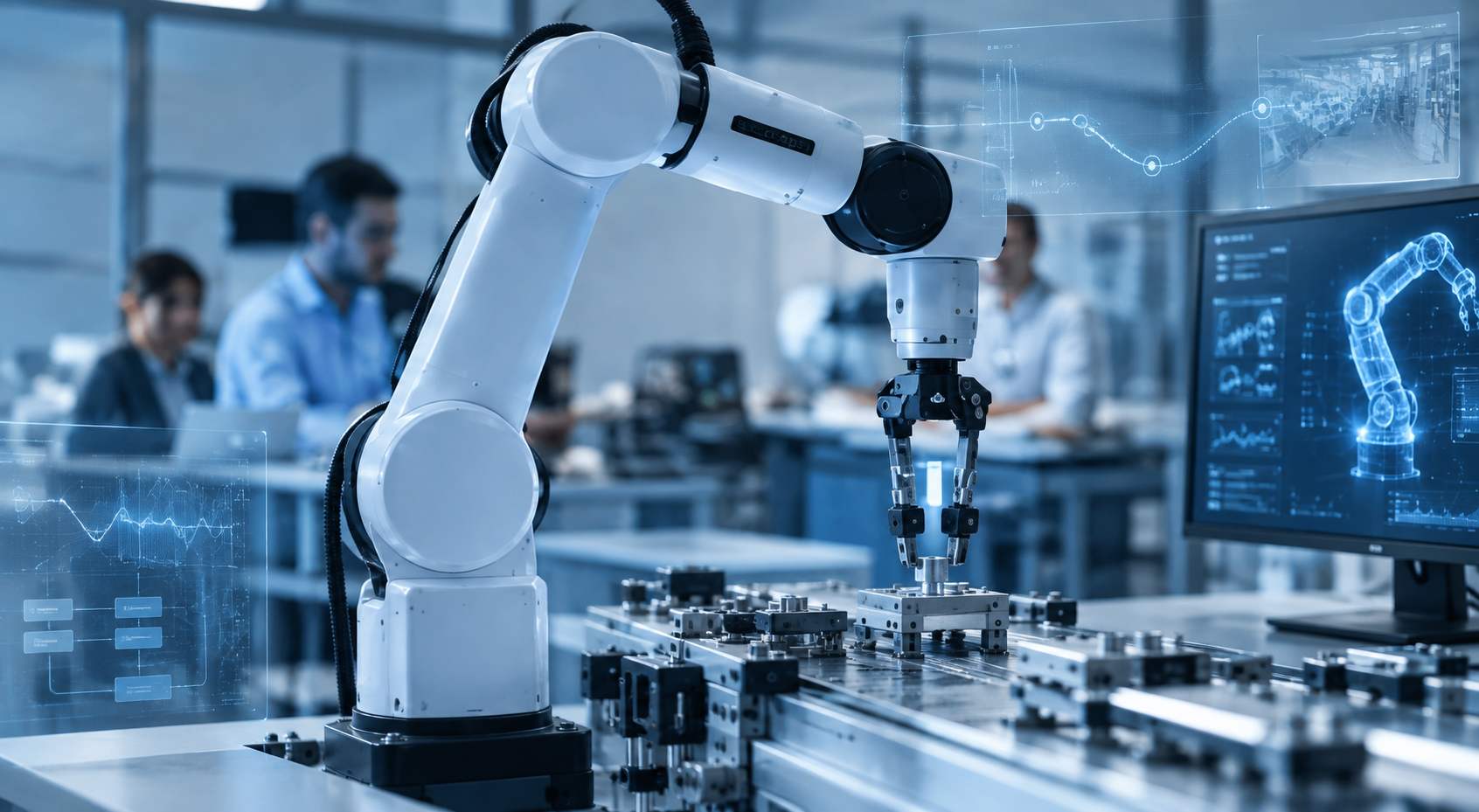
The next generation of intelligent systems will not simply answer questions; they will plan, decide and act – increasingly in the physical world. L3S researches autonomous agents and embodied AI, focusing on safe, transparent and responsible interaction with their surroundings.
Agentic and Embodied AI
The next generation of AI will increasingly be able not only to process information, but also to perceive its environment, make decisions and take action. Agentic and embodied AI brings together foundation models, generative AI, reinforcement learning, computer vision and robotics to create systems that can operate more autonomously in complex environments.
Such systems could support people in areas ranging from customer service and industrial production to healthcare. At the same time, greater autonomy raises fundamental questions about safety, security, transparency, data quality and human control. Systems that act on behalf of people must be able to handle uncertainty, respond appropriately to changing situations and make their decisions understandable.
L3S brings together expertise in robotics, foundation models and large language models, computer vision, reinforcement learning and predictive control to investigate these challenges. In the longer term, agentic AI could enable new forms of human–AI collaboration, support people in complex tasks and make specialist knowledge more widely accessible.


AI and Humans
The next generation of AI will not emerge from ever larger models alone. L3S combines machine learning with knowledge graphs, semantic knowledge, logical and causal reasoning, and human expertise.
Hybrid AI
Many AI systems are highly effective at recognising patterns in large amounts of data. Yet they can struggle when tasks require explicit reasoning, domain-specific knowledge or an understanding of cause and effect.
Hybrid AI combines different approaches – in particular, machine learning with symbolic methods and structured knowledge. This can bring together the strengths of data-driven learning and logical reasoning, making AI systems more adaptable, transparent and better suited to specific domains.
L3S investigates how neural and symbolic methods can be combined using knowledge graphs, multimodal data and modular AI architectures. Potential applications range from personalised medicine and autonomous vehicles to manufacturing and education.
Future research will explore how hybrid AI can support automated scientific discovery, enable AI to operate efficiently at the edge and improve context-aware cybersecurity. The challenge is to combine different methods without making systems unnecessarily complex – while maintaining interpretability, efficiency and responsible use.


AI for the Medicine of Tomorrow
Large AI models are opening up new possibilities for diagnosis, drug development and personalised medicine. L3S combines foundation models with causal methods, medical knowledge and real-world health data.
Biological and Medical Foundation Models
Foundation models are opening up new possibilities for analysing complex biological and medical data. Large-scale models can combine information from different sources and modalities, including text, images and genomic or other biological data.
L3S is investigating how such models can support applications ranging from precision diagnostics and personalised treatment to drug discovery and clinical decision support. The long-term goal is to develop AI systems that can help researchers and medical professionals understand complex biological processes and make better-informed decisions.
This also raises significant challenges. Access to high-quality data, the computational resources required to train large models, interpretability, data protection and ethical and regulatory requirements all need to be addressed. Integrating AI systems into clinical and research workflows will require not only technical advances, but also close collaboration with domain experts.
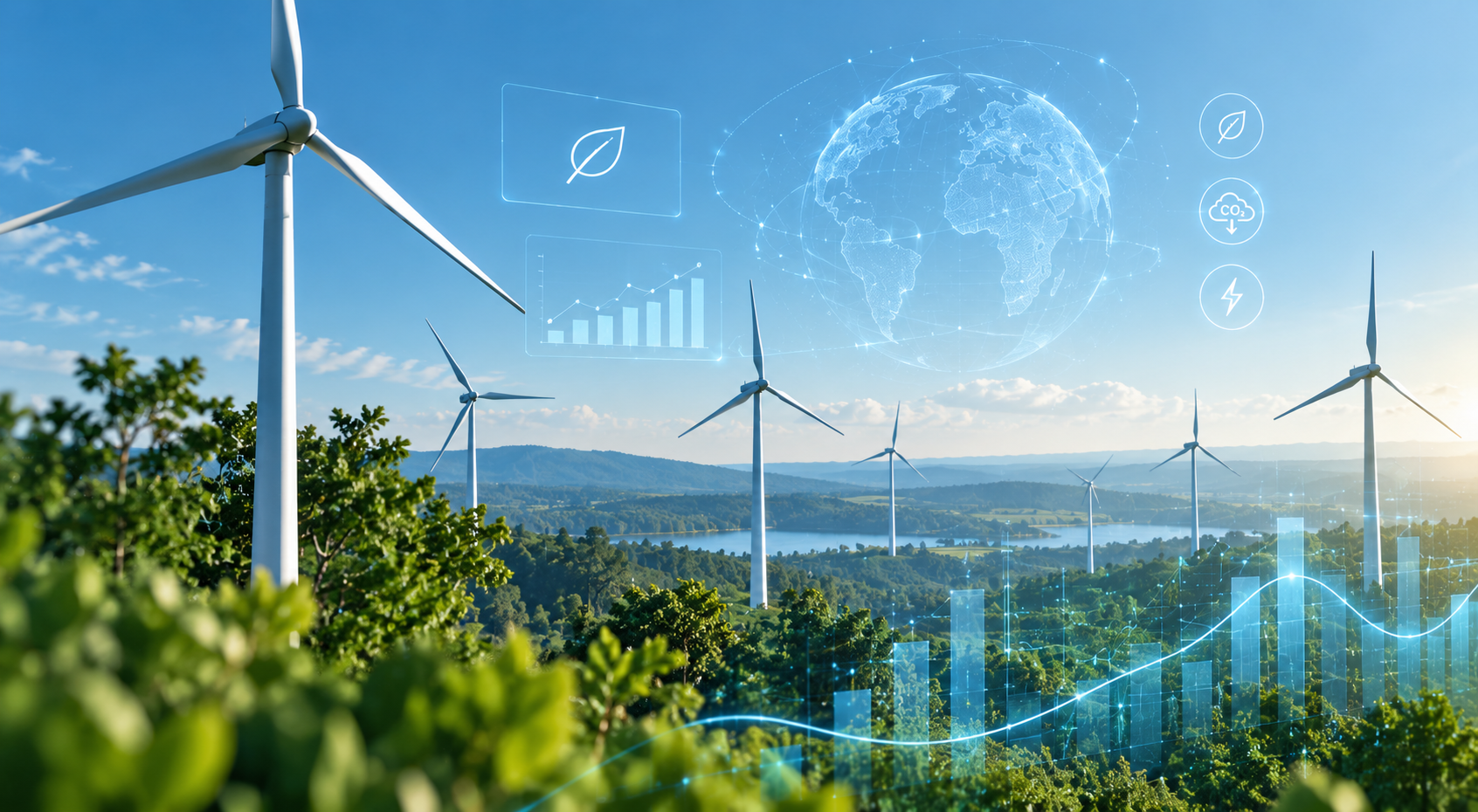

More AI – Less Energy
AI is becoming more powerful, but also more computationally and energy intensive. L3S is therefore researching new methods and hardware concepts to make AI more efficient and sustainable – for autonomous systems, Industry 4.0 and medicine, for example.
Energy-Efficient AI
The growing capabilities of AI come with a growing demand for computing power and energy. Making AI more efficient is therefore becoming increasingly important – both to reduce its environmental impact and to enable powerful AI applications in resource-constrained environments.
L3S researches methods for reducing the energy required to train and run AI models. These include network pruning, knowledge distillation and more targeted selection of training data. At the same time, new hardware technologies could help make AI computations more efficient, including photonic and diffractive optical systems, quantum technologies, FPGAs and neuromorphic hardware.
Energy-efficient AI will be particularly important where computing resources are limited or systems need to operate close to where data is generated – for example in industrial applications, autonomous vehicles, medical devices and smartphones.


AI as a Partner in Science
AI should help accelerate scientific discovery and enable new insights. L3S researches AI systems that can unlock large amounts of data, identify connections, support the development of hypotheses and make scientific knowledge more accessible.
AI for Science
AI is increasingly becoming a partner in scientific research. Rather than replacing human expertise, it can help researchers identify patterns in complex datasets, generate hypotheses, design experiments and explore questions that would otherwise be difficult to investigate.
L3S is working towards AI systems that can support the entire scientific process – from analysing heterogeneous data and identifying previously unknown relationships to proposing and evaluating experiments. Such systems should not simply produce results; they should also provide insight into how those results were reached, allowing researchers to assess, challenge and refine their suggestions.
This requires combining methods such as causal inference, representation learning, Bayesian deep learning, optimisation, uncertainty quantification and scientific knowledge graphs. Hybrid approaches can bring together data-driven learning with established scientific knowledge and reasoning.
The next 25 years
The future of AI will not be defined by a single technology or research direction. New opportunities will emerge, existing approaches will evolve and some assumptions will need to be reconsidered.
L3S will continue to combine scientific curiosity with a clear sense of responsibility: advancing the foundations of AI while addressing the questions that arise from its use in the real world. The goal is to develop technologies that are not only more capable, but also more trustworthy, efficient and useful to science, industry and society.